Pope Calls for Peace Amid Holy Week Tensions
Pope Leo XIV called for an end to violence during his first Holy Week as pontiff, urging prayers for peace. The Vatican also reported that Israeli police restricted Palm Sunday ceremonies at the Church of the Holy Sepulchre in Jerusalem, drawing international comment.

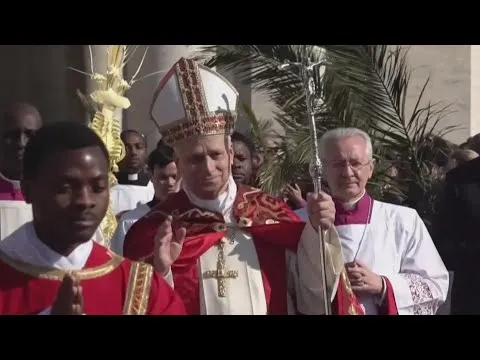
Pope Calls for Peace Amid Holy Week Tensions
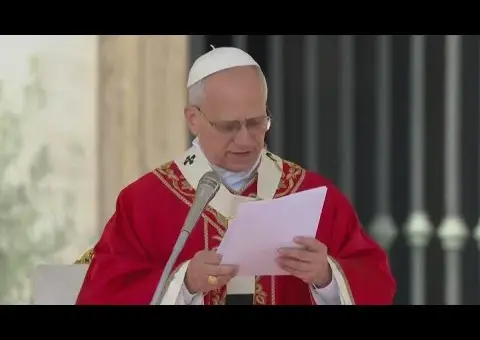
Pope Leo XIV used his first Holy Week as pontiff to make a strong appeal for peace in the Middle East and around the world. During his Palm Sunday Mass, he stated that Jesus does not listen to prayers from those who wage war. This message comes as the world watches the ongoing conflict that began in February. Palm Sunday marks the start of Christianity’s most important week, leading up to Easter. This period also overlaps with the Jewish holiday of Passover, which honors the ancient Israelites’ escape from Egypt.
Vatican’s Plea for Peace
Kelsey Gusty, Vatican correspondent for NewsNation, reported from Vatican City that Pope Leo XIV has consistently called for an end to violence since the current conflict started. He has made these appeals in Masses and public addresses. The Pope stressed that people should not ignore international leaders’ calls for peace. He also asked everyone to continue praying for peace globally. Specifically, he remembered Christians in the Middle East. He expressed sadness that they cannot fully celebrate Holy Week due to the ongoing war. Their actions are limited, he noted. The Pope concluded his homily by emphasizing that all people are brothers and sisters. He urged everyone involved in violence to lay down their weapons.
New Pontiff’s First Holy Week
This year’s Holy Week is different from last year’s. Last year, Pope Francis made his last public appearance on Easter Sunday and passed away weeks later. Pope Leo XIV is now celebrating his first Holy Week as pontiff. Gusty explained that this is a learning period for the new Pope. He is figuring out his role and how to respond to world events. Pope Francis used to follow a tradition on Holy Thursday. He would visit a prison and wash the feet of inmates. It is yet to be seen if Pope Leo XIV will continue this practice. Last year, Pope Francis had recently been released from the hospital. His activities were limited, but he still focused on peace, showing a continuity in the Vatican’s message.
Restrictions at Holy Sepulchre
A significant event during this Holy Week involved Israeli police. The Vatican reported that Israeli police stopped church officials from marking Palm Sunday at Jerusalem’s Church of the Holy Sepulchre. This church is a holy site where many believe Jesus was crucified. Christians have held Mass there for centuries. Gusty confirmed that the Latin Patriarch of Jerusalem, Cardinal Pierbattista Pizzaballa, and other church leaders were prevented from celebrating the traditional Mass. They issued a joint statement calling the situation a grave precedent. They felt it disregarded the feelings of billions of people worldwide. Many people look to the Holy Land during this week. This is where key events of Jesus’ passion, death, and resurrection took place.
International Reactions and Israeli Response
The incident at the Church of the Holy Sepulchre drew international attention. U.S. Ambassador to Israel, Mike McKee, commented on the situation. He called it an unfortunate incident and an overreach that could have global repercussions. However, the Israeli President’s office also commented. The Israeli President called the Latin Patriarch. He apologized and expressed deep sorrow for what happened. The Israeli authorities stated that the restrictions were put in place for security reasons. They cited concerns about potential missile attacks in the area.
Global Impact
The Pope’s calls for peace and the restrictions at a major Christian holy site highlight the deep connections between religious observance and geopolitical realities. The overlapping of Holy Week and Passover underscores the significance of this period for multiple faiths in the region. The Vatican’s statements and the international reactions to the events in Jerusalem show how religious sites and practices can become points of focus in wider international relations. The Pope’s message is a reminder that even during times of conflict, the pursuit of peace remains a central theme for many global leaders and populations. The incident at the Church of the Holy Sepulchre also raises questions about religious freedom and access to holy sites during times of heightened security concerns.
Historical Context
The Church of the Holy Sepulchre has been a site of pilgrimage and religious significance for nearly 1700 years. Its control and access have been subjects of historical agreements and disputes among various Christian denominations and, at times, secular authorities. The current situation, while framed by Israeli security concerns, touches upon a long history of managing access to sacred spaces in Jerusalem, a city holy to Judaism, Christianity, and Islam. The Pope’s appeals for peace echo historical calls made by religious leaders during times of conflict, seeking to temper violence through spiritual and moral guidance.
Economic and Political Dimensions
While the transcript does not detail specific economic factors like sanctions or trade figures, it mentions the ongoing conflict that began in February. Such conflicts often have significant economic consequences, including disruptions to trade, tourism, and resource flows in the region. The mention of security reasons for restricting access to the church hints at the broader political climate. International relations, including those between the Vatican, Israel, and the United States, are always influenced by these security and political considerations. The U.S. Ambassador’s comment suggests that even allies monitor such events closely, recognizing their potential to impact regional stability and international perception.
Future Scenarios
Looking ahead, several scenarios could unfold. The Vatican will likely continue its consistent calls for peace and dialogue. Pope Leo XIV may further define his approach to global affairs, potentially building on Pope Francis’s traditions or forging his own path. The security situation in Jerusalem will remain a critical factor influencing access to holy sites. Future Holy Weeks could see continued tensions or, ideally, a de-escalation that allows for more open religious observance. The international community, including the U.S., will likely continue to monitor the situation, balancing security concerns with religious freedom and diplomatic relations.
Source: Israeli police restrict Palm Sunday ceremony at Church of the Holy Sepulchre | NewsNation Live (YouTube)

Related Articles

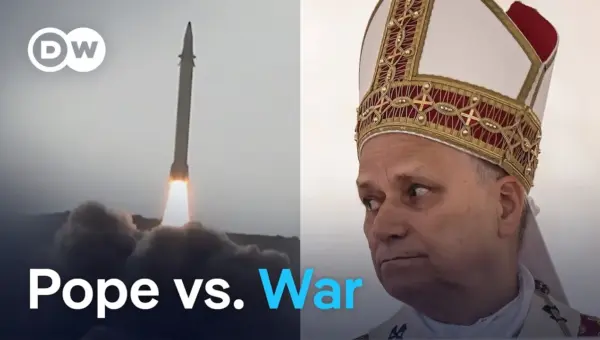
Pope Rejects Prayers of War Leaders, Urges Peace in Iran Conflict
Pope Leo delivered a forceful message during Palm Sunday Mass, stating that God rejects the prayers of those waging war, particularly in the context of the ongoing conflict with Iran. His words serve as a moral counterpoint to religious justifications for military action, drawing on a tradition of papal calls for peace.
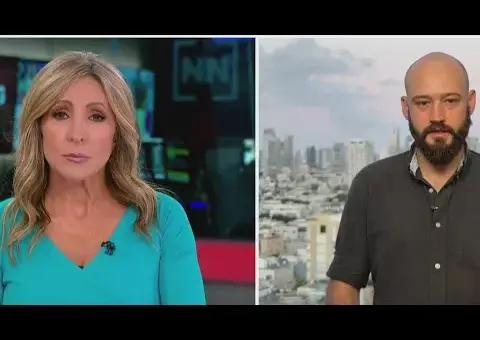
Israel Expands Lebanon Border Zone Amid Escalating Conflict
Israel is expanding its security zone into Lebanon following intense airstrikes and missile launches. Prime Minister Netanyahu ordered the military action amid escalating clashes with Hezbollah, marking a significant step up in regional tensions.
Pope Calls for Iran-U.S. Truce Amid Holy Week
Pope Leo XIV urged an end to the U.S.-Iran conflict during his first Palm Sunday Mass. The call for peace coincides with Christian Holy Week and the Jewish holiday of Passover. This spiritual emphasis highlights growing interest in faith amid global uncertainty.