Polls Signal Trump’s Downfall Amidst Voter Disillusionment
Mounting poll numbers and voter disillusionment suggest a significant challenge to Donald Trump's political standing. This analysis explores demographic shifts, economic pressures, and criticisms of political strategy that may signal a turning tide. The impact on the Republican party and the broader political landscape is profound.

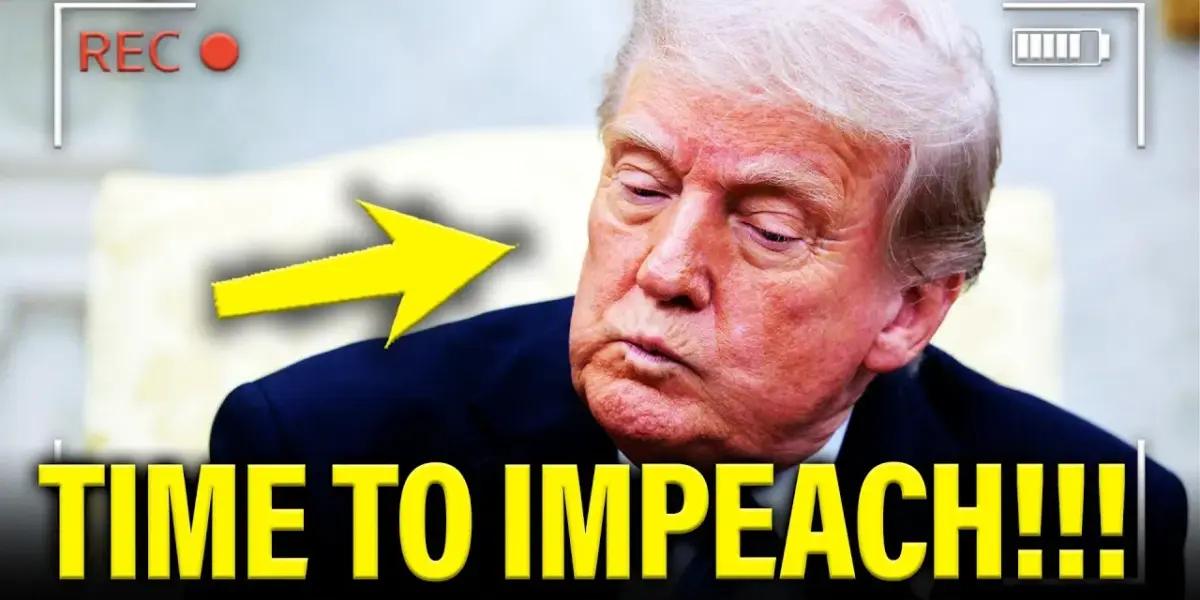
Trump’s Polling Woes Signal a Shifting Political Landscape
Recent polling data suggests a significant downturn for Donald Trump, painting a picture of widespread voter dissatisfaction that could dramatically alter the political landscape. The narrative emerging from various polls indicates that Trump’s influence, once seemingly unshakeable within certain demographics, is facing unprecedented challenges. This analysis delves into the latest figures, explores the underlying causes of this perceived disillusionment, and considers the broader implications for the Republican party and the nation.
Demographic Shifts and Voter Sentiment
The latest polling data reveals concerning trends for Donald Trump across key voter segments. A Morning Consult generic ballot poll indicates a substantial 60% to 29% lead for Democrats among Hispanic voters, a demographic Trump had previously sought to court. Furthermore, even traditionally steadfast groups appear to be wavering. A recent Emerson poll shows male voters now favoring Democrats over Republicans by a margin of 48% to 42%.
The approval ratings for Trump’s handling of the conflict with Iran are also starkly low. An NPR Marist poll found that only 24% of Gen Z voters approve of the operation, a significant blow considering Trump’s earlier attempts to gain traction with this age group. Across all voters, a generic ballot poll from Morning Consult shows Democrats leading 47% to 42%. Such a margin, if sustained, could foreshadow a significant electoral outcome, often referred to as a “blue tsunami,” that could decisively impact Trump’s political future.
The Betrayal of the Base?
Beyond broad demographic trends, the transcript highlights individual stories of Trump voters who feel betrayed by his administration’s policies. One such case involves Wayne Deario, a Trump voter from Miami whose fiancée was detained by ICE. His desperate plea, captured in a video clip, underscores a profound sense of disillusionment: “Please. She does not deserve this. She’s the sweetest person and she prayed for you.” This sentiment is echoed by Rachel Reyes, whose son, an American citizen, was killed by an ICE agent. Reyes, also a Trump voter, expressed her anguish, stating, “I was devastated and in disbelief, and it’s bad enough to lose your child, but then to lose your child at the hands of law enforcement when they’re supposed to be the ones to protect your child.” The accounts suggest a disconnect between Trump’s populist rhetoric and the lived experiences of some of his most ardent supporters, particularly concerning immigration and law enforcement actions.
Economic Headwinds and Public Perception
The economic climate is also presented as a significant factor influencing public opinion. The transcript notes rising fuel prices, with the U.S. average diesel price reaching $4.56 a gallon, the highest since February 2023. This economic pressure, coupled with broader inflation concerns, is suggested to be contributing to voter dissatisfaction. The narrative implies that voters are feeling the pinch, and this economic anxiety is translating into a negative perception of the current administration’s performance.
The “Regime” and Its Critics
Derek Johnson, President of the NAACP, offers a critical perspective on the current political climate, referring to it as a “regime” that is “much smarter than the first term.” Johnson argues that this administration has strategically targeted pressure points within government and society. He identifies “coded language” like “stop the woke” and “stop the DEI” as tactics to undermine narratives that tell the “true story of black history or the history of other groups and marginalized groups,” effectively leading to a “whitewashing” of history. Johnson frames the political struggle as “class warfare,” where race is used as a tool to distract from issues of taxation, spending, and regulatory oversight. He posits that the “Epstein class” and sex trafficking were leveraged through blackmail to influence policymakers and create global instability, from which “right-wing oligarchs” could profit. This perspective paints a picture of a calculated, multi-faceted assault on democratic institutions and social progress.
The “SAVE Act” and Voter Suppression Concerns
The discussion also touches upon the “SAVE Act,” which is framed by critics as a tool for voter suppression. The transcript suggests that the policy is presented to the public under the guise of ensuring “safe and secure elections,” a proposition that garners broad support. However, the details of the bill, such as requirements for mass re-registration or proof of citizenship, are argued to disproportionately disadvantage minority communities and are seen as “vote suppression pure and simple.” The argument is made that policymakers are resorting to such tactics because their policies are unpopular and cannot win in a fair election. This highlights a tension between the stated goals of election integrity and the perceived intent to disenfranchise certain voter groups.
Corporate Betrayal and Shifting Alliances
A poignant observation from the interview concerns the perceived betrayal of corporate America towards social justice movements. The speaker recalls the widespread pledges of support from corporations and law firms in the wake of the George Floyd protests, only to witness a retraction of these commitments when political winds shifted. This “tale of two realities” is exemplified by the contrasting fortunes of Target and Costco. Target, which struggled after wavering on diversity and inclusion initiatives, is contrasted with Costco, which saw its profits soar by maintaining its stance. The analysis suggests that companies that align with diversity and inclusion are ultimately more resilient and profitable in the long term, especially given the increasing diversity of the American consumer base.
Why This Matters
The confluence of negative polling, voter disillusionment, economic anxieties, and critical analyses of political strategies suggests a period of significant political flux. The perceived betrayal of core supporters, coupled with broader demographic shifts and economic pressures, could indeed signal a turning point. The NAACP’s perspective highlights a sophisticated, albeit concerning, approach to governance that weaponizes race and identity politics to distract from fundamental economic and regulatory issues. The debate over election integrity versus voter suppression also underscores the deep divisions and strategic maneuvering at play. Furthermore, the examination of corporate responses to social issues reflects a broader societal reckoning with accountability and long-term values versus short-term gains. The future outlook will depend on how these various forces interact and whether the current trends in public opinion and political strategy continue to solidify.
Historical Context and Future Outlook
Historically, periods of economic hardship and perceived political overreach have often preceded significant electoral shifts. The current moment echoes past instances where voter frustration with established norms and policies has led to dramatic outcomes. The transcript’s reference to the Iraq War’s initial approval ratings versus the current conflict’s low approval provides a historical parallel for assessing public sentiment towards military engagement and its perceived justification. The NAACP’s historical mission, rooted in ensuring representative democracy for all, remains a crucial lens through which to view contemporary challenges. As the nation navigates these complex issues, the ability of political movements to mobilize disparate groups, address economic concerns, and maintain public trust will be paramount. The ongoing “class warfare” and the strategic use of identity politics suggest that future political battles will likely be fought on multiple fronts, requiring voters and organizations alike to remain vigilant and informed.
Source: Trump SUFFERS Utter HUMILIATION during WAR with FATAL POLLING!!! (YouTube)

Related Articles

Trump’s Iran Attack: Legal or Illegal War? Experts Weigh In
Experts are questioning the legality of the US-led offensive in Iran, noting that true 'legal gold standard' wars, authorized by UN Security Council resolutions, are exceptionally rare. The conflict's objectives, potential for internal unrest in Iran, and the differing strategies between the US and Israel are under intense scrutiny as the situation develops.

Iran’s Pain Strategy: How Gas Prices Could Sink Trump’s Election Hopes
Iran's strategy to inflict maximum pain on the US through economic disruption, particularly rising gas prices, could significantly impact Donald Trump's political future. This analysis delves into Iran's calculated approach to deterrence and the broader regional implications.


Iran Names New Supreme Leader, Defying Trump and Israel
Iran has appointed Majtaba Khamenei, son of the late Supreme Leader Ali Khamenei, as the new head of state. This move is seen as a direct defiance to the US and Israel, especially after President Trump named Majtaba as an unacceptable successor. The appointment solidifies the hereditary aspect of leadership, a departure from theocratic tradition, and raises regional security concerns.