Polls Show GOP Slipping as Wisconsin Court Race Highlights Democracy Battle
A new Gallup poll shows Republicans at a historic low in voter identification, with Democrats holding a significant advantage. This shift coincides with economic anxieties and a key Wisconsin Supreme Court race that highlights national debates on democracy and the rule of law.

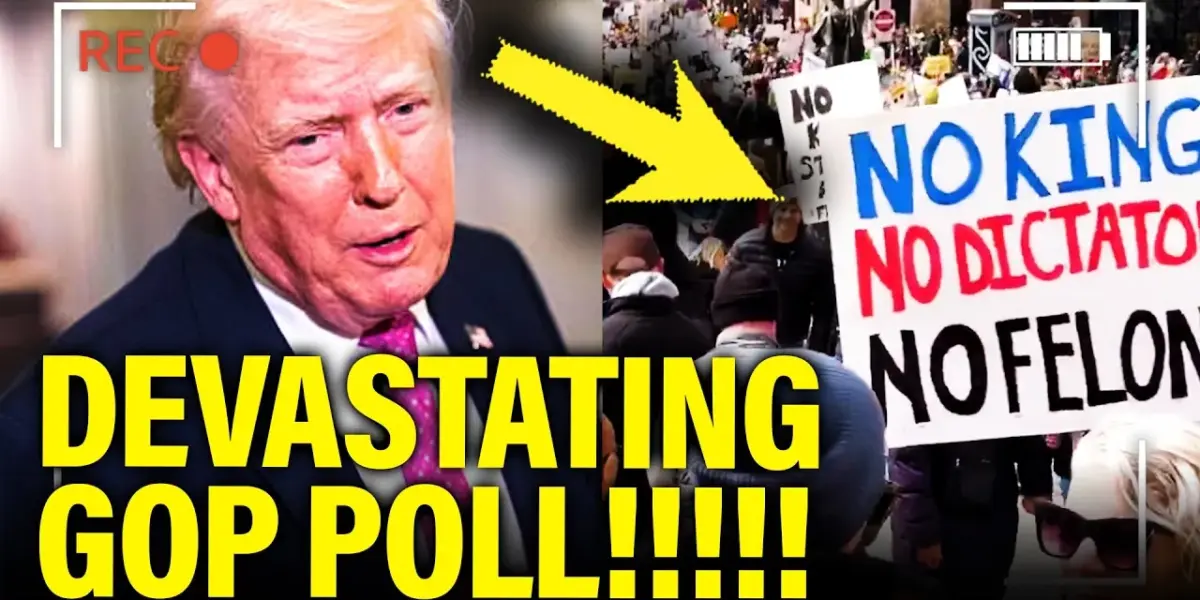
GOP Faces Steep Drop in Voter Support, New Polls Reveal
New polling data indicates a significant shift in voter sentiment, with the Republican party experiencing a notable decline in public support. A recent Gallup poll measuring voter identification shows a +10 advantage for Democrats, marking the largest gap recorded since Gallup began tracking this data in 2015. Republicans have consistently polled below 40 percent, with current numbers showing a downward trend. This trend is visually represented in graphs depicting Republicans “tanking” while Democrats are “surging.” This stark shift comes amidst growing public frustration over economic issues and unfulfilled political promises.
Economic Woes Fuel Voter Discontent
The public’s dissatisfaction appears to be fueled by a range of economic pressures. The transcript highlights concerns over rising prices for everyday goods like groceries, alongside increasing gas prices. Many Americans are struggling to afford rent, with a significant portion of the population living paycheck to paycheck. The erosion of healthcare access is also cited as a major concern, impacting individuals in states like Wisconsin and across the nation. These economic hardships are contributing to a feeling of psychological distress among voters.
Trump’s Promises Questioned Amidst Economic Struggles
Former President Donald Trump’s promises of immediate economic relief upon taking office are being scrutinized in light of current economic conditions. Phrases like “fraudulent promises” and “gimmicks utterly exposed” are used to describe the situation. The ongoing conflict in Iran is also mentioned as a point of concern, with the situation described as escalating. The combination of economic anxieties and perceived unfulfilled promises appears to be impacting the public’s view of the Republican party.
Wisconsin Supreme Court Race: A Microcosm of National Debates
The upcoming Wisconsin Supreme Court race on April 7th is presented as a critical battleground, reflecting broader national debates about democracy and rights. This election is crucial for maintaining a pro-democracy majority on the court, which currently stands at 4-3. The race is for a seat previously held by a justice described as “right-wing radical” and “anti-democracy.” The election is particularly important as it precedes several other state-level races in the coming months.
Meet Judge Chris Taylor: A Champion for People’s Rights
Judge Chris Taylor is running for the Wisconsin Supreme Court, aiming to solidify and expand the pro-democracy majority. Her background is highlighted as uniquely suited for the role. Taylor has served at multiple levels of government, including as a lawyer for Planned Parenthood, a state legislator for nine years, and a judge on both trial and appellate courts. She emphasizes her commitment to ensuring that the law serves to lift people up and improve their lives, drawing from her own family’s experiences.
Taylor believes the stakes in this election are immense. She points to the erosion of basic rights at the federal level and ongoing attacks on elections within Wisconsin. Lawsuits aimed at overturning the 2020 election results and efforts to make voting more difficult for eligible citizens are cited as examples. She also expresses concern about the federal government seeking access to private voting information in Wisconsin. The independence of the state’s judiciary is paramount, especially with four other court elections on the horizon that could shift the court’s composition.
The Threat to an Independent Judiciary
The interview touches upon a growing concern: the attack on an independent judiciary. Taylor notes that even federal judges appointed by Republicans have faced threats of impeachment and violence. She stresses that a fiercely independent judiciary is essential for the U.S. system of government, acting as a crucial check on the other branches. The goal of some political factions, she suggests, is to undermine this independence by placing their own allies on the courts and eroding justice from within, a tactic she likens to actions seen in authoritarian regimes.
Voters Seek a Government That Works for Them
As Taylor travels across Wisconsin, she hears a consistent message from voters: they are hungry for a government that works for them. People feel squeezed by high prices and economic instability. They perceive that government benefits the wealthy and powerful, rather than working people. Taylor’s message is one of hope and empowerment, urging voters to elect justices who will prioritize their rights and well-being. She is inspired by grassroots organizing efforts across the state, where citizens are actively working to protect democracy and elections.
Why This Matters
The current political climate, marked by economic anxieties and a perceived decline in democratic norms, is creating a fertile ground for political shifts. The significant drop in Republican voter identification, as shown by the Gallup poll, suggests a potential realignment of voter allegiances. The Wisconsin Supreme Court race serves as a critical indicator of how these national trends are playing out at the state level. It highlights the importance of state-level judicial elections, which often have a profound impact on fundamental rights and the rule of law, yet receive less national attention. The outcome of this race could influence the balance of power in Wisconsin and set a precedent for future judicial contests.
Implications and Future Outlook
The data suggests a growing disillusionment with the status quo, potentially leading to a more volatile political landscape. The focus on economic issues and the perceived failures of current leadership could empower alternative political movements or lead to a demand for more responsive governance. The emphasis on protecting voting rights and judicial independence in the Wisconsin race points to a broader national concern about the health of democratic institutions. As the country heads into further election cycles, the issues raised in this analysis—economic fairness, the integrity of elections, and the independence of the judiciary—will likely remain central to political discourse.
Historical Context
The concept of voter ID polls has been a standard metric for understanding partisan leanings for decades. However, the current levels of Democratic advantage and Republican decline are historically significant. The mention of past efforts to influence judicial races, such as the backing of a candidate by Elon Musk and Donald Trump in Wisconsin, points to a trend of increased political spending and intervention in local and state elections. This reflects a broader pattern of hyper-partisanship extending into previously less politicized arenas.
Source: Trump gets HORRIBLE NEWS with SHOCK GOP POLL!!!! (YouTube)

Related Articles

Free Speech vs. Harm: Court’s Conversion Therapy Ruling Sparks Outrage
The Supreme Court's recent decision supporting a challenge to Colorado's ban on gay conversion therapy has ignited widespread concern. While the ruling is technically narrow, focusing on free speech technicalities, critics fear it undermines protections for LGBTQ+ youth and could embolden harmful practices.


Judge Halts Trump’s Ballroom: Power vs. Public Good
A federal judge has halted Donald Trump's $400 million White House ballroom project, ruling the president is not the owner of the property. The decision contrasts sharply with the economic struggles of average Americans, drawing criticism about misplaced priorities and the limits of executive power.

Congress Stalls on Funding Amid Political Games
US lawmakers are locked in a political battle over Department of Homeland Security funding, risking a government shutdown. This deadlock highlights how political point-scoring often overshadows critical policy decisions, potentially impacting national security and public trust ahead of the November elections.