Polls Show Americans Oppose Iran War, Cite Lack of Rationale
New polling reveals that the war in Iran is the first in U.S. history to begin with majority public opposition. A significant portion of Americans question the rationale behind the conflict and feel President Trump has not provided adequate explanation. Economic concerns, particularly rising prices, are also heavily influencing public sentiment.

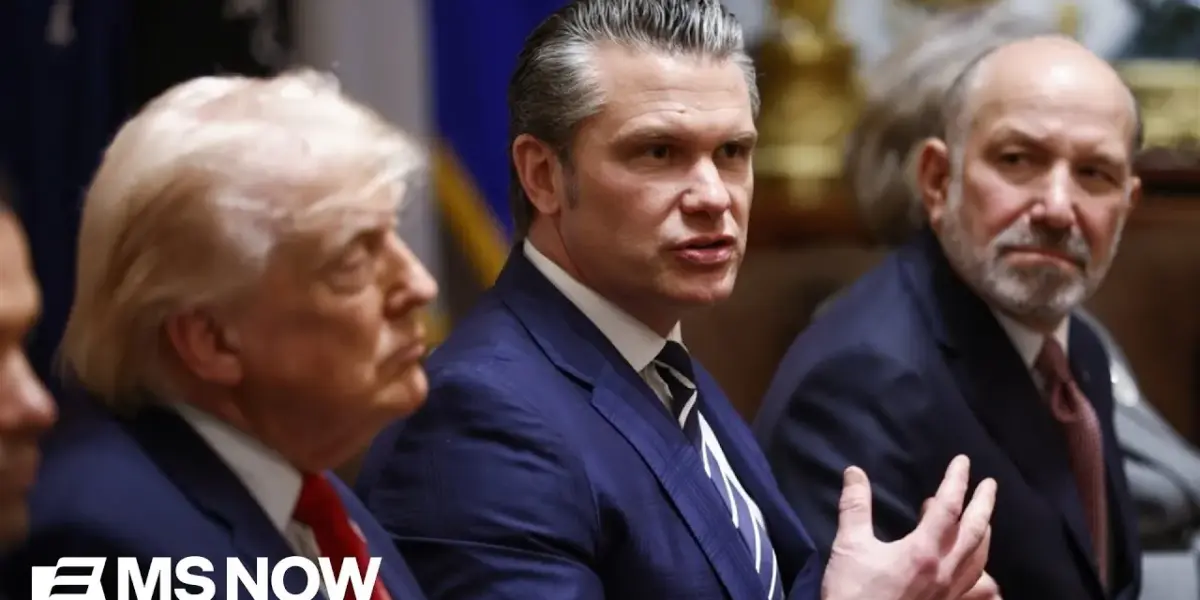
Americans Express Widespread Opposition to Iran Conflict
A significant majority of Americans are not supporting President Trump’s decision to engage in military action in Iran. New analysis reveals that initial public support for this conflict is lower than for previous foreign wars. This marks a historic moment, as it appears to be the first war in American polling history to begin with net opposition from the public.
Public Opinion on the Iran War
Polling data indicates that between 59% and 60% of Americans oppose the current war with Iran. Many question the rationale behind the decision to enter this conflict. Notably, around 55% to 62% of Americans believe President Trump has not provided a clear explanation or justification for the military action.
“This is the first war in the history of American polling that starts out with net opposition,” stated Molly Murphy, President of Impact Research. “59%, 60% depending on the poll, oppose this war, they believe it was not the right decision, they question the rationale.”
This lack of perceived explanation is unusual. Typically, even when the public disagrees with a conflict, they believe there has been some messaging or explanation from leadership that allows them to form an opinion. This appears to be absent in the current situation regarding Iran.
Historical Context of Public Support for Wars
Looking back at past conflicts, the public response has been vastly different. For example, the Iraq War, which began in 2003, started with strong majority support. Similarly, the first Gulf War saw overwhelming public backing, with a high percentage of senators voting to authorize military action. In both cases, Presidents George H.W. Bush and George W. Bush enjoyed very high approval ratings, often in the high 80s, by the end of those wars. This level of public unity and support during wartime is not being replicated today.
Reasons Behind Public Discontent
Several factors appear to contribute to the current public sentiment. One major reason is the perceived lack of clear communication from the President. Many Americans, including Trump voters, expressed shock at the sudden escalation into conflict. This feeling was amplified by the absence of clear imagery or a widely understood, immediate imperative, unlike in past military engagements.
Furthermore, President Trump’s past promises to end prolonged conflicts, often referred to as “forever wars,” may be influencing public perception. Many voters feel he has gone back on his word regarding foreign policy engagements. This history contributes to skepticism about new military involvements that are not clearly explained or desired by the public.
Economic Concerns Overshadow Foreign Policy
Beyond foreign policy, economic concerns are significantly impacting public opinion. President Trump’s approval rating on foreign policy has been declining, partly due to a perceived failure to deliver on economic promises. High prices, particularly at the gas pump, have been a major issue for voters. Even before the recent conflict, tariffs and other measures had not resulted in the expected economic benefits for many.
The contrast between campaign promises and current actions is a recurring theme. Voters who supported Trump based on specific commitments feel that the administration has taken a contradictory path. The focus on new conflicts, alongside other foreign policy actions, appears to be moving away from the core issues that resonated with his base.
Impact on Presidential Approval
The current situation is damaging the President’s ability to justify or explain the war. His foreign policy approval rating is at its lowest, and this has been a downward trend for months. This lack of credibility makes it difficult for him to gain public trust on this issue.
The war’s unpopularity, combined with a general dissatisfaction with the handling of foreign policy, adds to the perception that the President has not met expectations. This sentiment is further fueled by economic anxieties, where voters feel prices remain too high and the administration is not focused on affordability.
Focus on Costs and Affordability
A dominant perception among voters is that President Trump is not focused on the costs of living. One area that was previously a bright spot for his administration was gas prices. However, this has also shifted, adding to the public’s concern about affordability.
Americans are questioning where the money for the war will come from, especially when considering requests for significant funding from Congress. The concern is that these expenditures will not lead to lower costs for consumers, who are already feeling financial pressure. The perception is that the administration is prioritizing foreign engagements over domestic economic stability.
Foreign Policy and Public Perception
Historically, presidents often face public backlash for foreign policy decisions, even successful ones. Examples include President George H.W. Bush losing re-election after overseeing the collapse of the Soviet Union, and President George W. Bush’s approval ratings plummeting after the Iraq War. Even President Joe Biden’s approval dropped significantly following the chaotic withdrawal from Afghanistan.
This trend suggests that public focus often remains on domestic issues, particularly affordability. For any president, maintaining focus on the economic well-being of citizens is crucial for public support. Americans want to see their leaders address the pain and cost burdens they face, and they are not seeing that focus from the current administration regarding the conflict in Iran.
Looking Ahead
As the situation in Iran develops, public opinion will remain a critical factor. The administration faces the challenge of not only managing foreign policy but also addressing widespread concerns about economic affordability and perceived broken promises. Future polling will likely track whether the public’s opposition to the war and their focus on domestic economic issues continue to shape the political landscape.
Source: War in Iran first war in history of polling that starts with net opposition: Impact Research (YouTube)

Related Articles

Protesters Challenge Presidential Power, Ignite Debate
Millions are protesting nationwide under the "No Kings" banner, challenging presidential authority and policies they deem unconstitutional. Organizers emphasize First Amendment rights while debating foreign policy, immigration, and the balance of power.
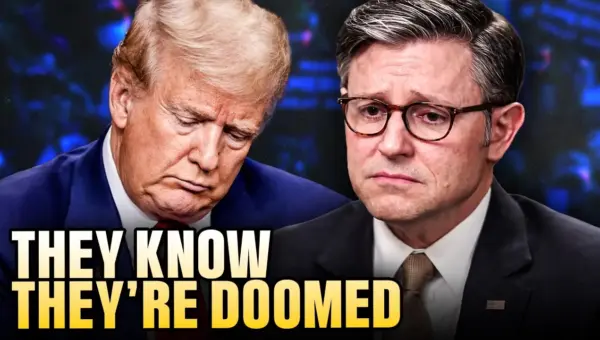
Polls Spell Doom: Republicans Face Voter Backlash
New polling data reveals a sharp decline in public confidence regarding the economic impact of Republican policies, particularly under Donald Trump. A significant majority now feel financially worse off, a trend that is especially pronounced among independent voters. This economic discontent poses a major challenge for the Republican party heading into future elections.

Americans Rally for Democracy Amidst War and Economic Woes
Thousands of Americans are participating in "No Kings" rallies nationwide, demanding accountability from leaders and drawing parallels to historical movements that spurred significant change. The protests occur amidst a controversial war with Iran, economic uncertainty, and a partial government shutdown. Organizers emphasize solidarity, joy, and the power of collective action in defending democracy.