Poll Shock: Voters Reject Both Parties, Favor Democrats
A new poll reveals widespread disdain for both major parties, with a significant "double hater" demographic showing a strong preference for Democrats. This trend puts pressure on Republican leaders and highlights a demand for pragmatic solutions over partisan rhetoric. The upcoming elections may see a significant shift as voters seek change.

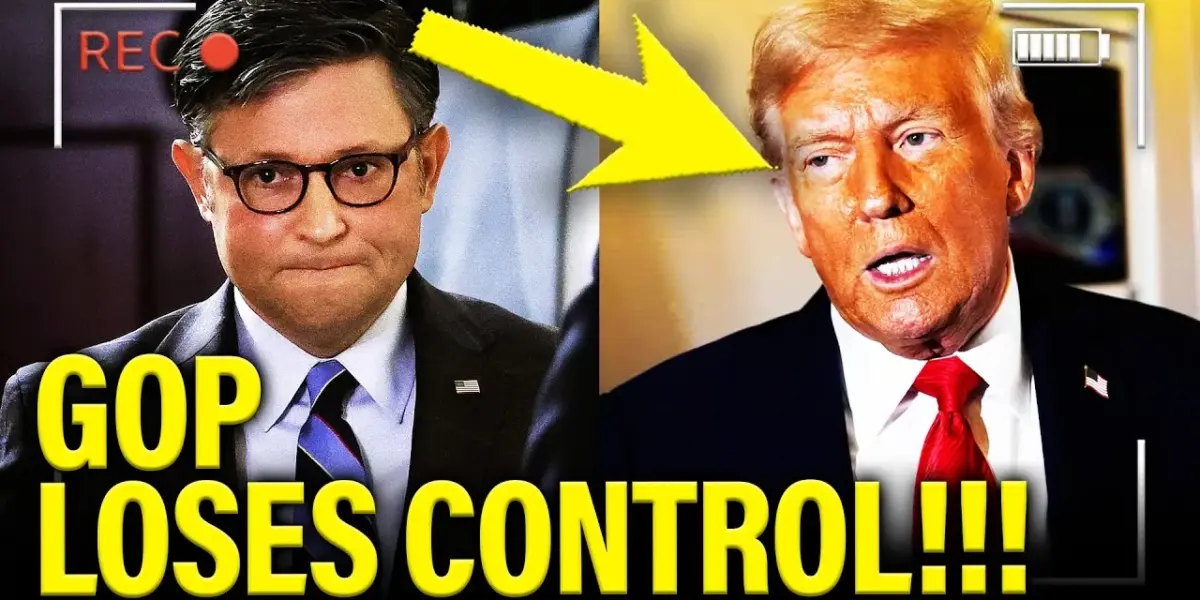
Voters’ Growing Disdain for Both Parties Fuels Democratic Advantage in Key Demographics
A recent CNN poll reveals a striking trend: a significant portion of Americans, about a quarter, express negative feelings toward both major political parties. This widespread dissatisfaction creates an interesting dynamic, especially among a group identified as “double haters” – those who dislike politics and both parties. Surprisingly, this group shows a strong preference for Democrats, favoring them by a notable 31 points.
This finding is significant because it suggests that voters disillusioned with the current political climate are not simply opting out. Instead, they are actively seeking a change, and in this specific demographic, that change is leaning towards the Democratic Party. This could be a crucial factor in upcoming elections, offering a potential pathway for Democrats to gain support from voters who have previously felt unrepresented or alienated.
Republican Leaders Grapple with Negative Sentiment
Republican leaders, particularly those associated with the MAGA movement, appear to be feeling the pressure from this poll. Reports indicate a sense of panic as they face the prospect of midterm elections with a significant segment of the electorate expressing strong negative views.
In an effort to energize their base and sway undecided voters, some MAGA Republicans are reportedly resorting to fear-based tactics. For instance, Representative Scott Perry has been quoted using strong rhetoric about immigrants, linking them to violent crimes and accusing Democrats of supporting such acts. This approach, often referred to as fear-mongering, aims to create a sense of urgency and danger, positioning MAGA Republicans as protectors against perceived threats.
The strategy of using extreme language to mobilize voters is a recurring theme. However, the poll’s findings suggest that such tactics may not be resonating as effectively with a broader, more disaffected electorate. The preference for Democrats among “double haters” indicates that a segment of the population is looking for solutions beyond the usual political battles.
Focus on Policy and National Priorities
Beyond the rhetoric, there are also questions about policy priorities. Former President Donald Trump has proposed a substantial military budget, including funding for projects like rebuilding Alcatraz. This focus on military spending comes at a time when he has also stated that the nation lacks sufficient funds for essential social programs like Medicare, Medicaid, and Social Security. This apparent contradiction raises concerns about the allocation of national resources and the administration’s commitment to domestic well-being.
The contrast between prioritizing a large military budget and expressing a lack of funds for social programs highlights a key debate. While national security is a critical concern, the allocation of trillions of dollars towards defense while social safety nets are perceived as underfunded can create friction with voters who are struggling with everyday costs.
Concerns Over Transparency and Investigations
Further complicating the political landscape are ongoing discussions surrounding transparency and investigations. Reports suggest that some MAGA Republican members of the House Oversight Committee are seeking to avoid further scrutiny of certain files, such as the Epstein Files, by preventing subpoenas for individuals like Pam Bondi. This suggests a desire to move past sensitive topics, potentially to avoid further political fallout or to maintain a particular narrative.
The mention of weaponization of government agencies like the DOJ and FBI also surfaces, indicating a broader concern within certain political circles about the integrity and impartiality of these institutions. The desire for accountability and truth is a common theme, but the focus on specific investigations and the potential for political interference adds another layer of complexity to the public’s perception of government actions.
A Call for Pragmatic Leadership in Michigan
In Michigan’s 10th Congressional District, a special election is shaping up as a potential bellwether for national trends. Tim Grimel, a Democratic candidate, is running in an open seat against a MAGA Republican. Grimel emphasizes the need for common-sense representation and a focus on the needs of everyday families.
Grimel points out that the district’s makeup is largely moderate and pragmatic, not aligned with extremist ideologies. He argues that the current representation has failed to address the concerns of hardworking Americans, citing issues like rising costs of living, stagnant wages, and the impact of trade policies. His campaign focuses on practical solutions, drawing from his experience as a former mayor and state legislator, where he worked to expand healthcare and increase the minimum wage.
The candidate highlights the disconnect between the priorities of some MAGA Republicans and the daily struggles of their constituents. He criticizes policies that he believes harm local communities, such as tariffs that disrupt supply chains and impact jobs, especially in manufacturing-heavy areas like Michigan. Grimel’s message is one of restoring the American dream through policies that support the middle class and address immediate economic concerns.
Why This Matters
The poll’s findings are critical because they reveal a deep-seated disillusionment with the status quo. When a significant portion of the electorate dislikes both major parties, it signals a demand for something different. The strong preference for Democrats among “double haters” suggests that voters are not necessarily moving towards the Republican Party as a preferred alternative, but rather seeking a party that appears more aligned with addressing their concerns about economic stability and social well-being.
This trend has significant implications for campaign strategies. Parties can no longer rely solely on mobilizing their base through divisive rhetoric. They must also appeal to a broader, more skeptical electorate that is looking for practical solutions and responsible governance. The focus on economic issues, healthcare, and the responsible use of taxpayer money, as highlighted by Grimel, may become increasingly important in winning over these disaffected voters.
Implications, Trends, and Future Outlook
The current political climate, marked by voter apathy and a rejection of traditional politics, suggests a potential shift in voter behavior. The rise of “double haters” indicates a growing segment of the population that is looking beyond party labels. This could lead to more unpredictable election outcomes and a greater emphasis on candidate qualifications and policy substance over partisan affiliation.
The focus on economic hardship, such as high inflation and stagnant wages, is likely to remain a dominant theme. Voters are increasingly concerned about their financial security, and any party that can offer credible solutions to these issues is likely to gain an advantage. Furthermore, the debate over national priorities, particularly the balance between military spending and social programs, will continue to be a key point of contention.
The future outlook suggests a political landscape where parties must adapt to a more discerning and potentially volatile electorate. The success of candidates like Tim Grimel, who emphasize pragmatic solutions and a focus on everyday concerns, could signal a broader trend towards a more issue-oriented and less ideologically driven political discourse. The challenge for all parties will be to connect with voters who are tired of political infighting and are seeking tangible improvements in their lives.
Historical Context and Background
The current level of dissatisfaction with both parties is not entirely new in American political history. Throughout different eras, periods of intense partisan division have often been followed by waves of voter disillusionment. For example, the late 19th and early 20th centuries saw significant political realignment and the rise of third parties in response to widespread dissatisfaction with the two dominant parties of the time.
The concept of independent voters, or those who do not align strictly with one party, has also grown over the decades. While historically, party affiliation was stronger, today’s political environment allows for greater fluidity. This allows for the “double hater” phenomenon to emerge more strongly, as voters feel less bound by traditional party loyalties. The increasing polarization of the past few decades has, paradoxically, also led some voters to reject the extremes of both parties, seeking a more moderate or pragmatic approach.
The current situation can be seen as a continuation of a trend where voters are increasingly skeptical of political institutions and leaders. This skepticism is fueled by various factors, including economic inequality, perceived corruption, and a sense that political elites are out of touch with the concerns of ordinary citizens. The poll’s findings underscore the need for political parties to actively listen to and address these broader societal anxieties to regain public trust and relevance.
Source: GOP Leaders LOSE CONTROL after SHOCK MIDTERM POLL!!! (YouTube)

Related Articles
AG Bondi Out; Trump Weighs Cabinet Shake-Up
Attorney General Pam Bondi has stepped down after a year leading the Justice Department, with Deputy AG Todd Blanche taking over as acting AG. President Trump praised Bondi's service, highlighting accomplishments like a historic low murder rate. However, criticism emerged regarding the handling of the Epstein case. Potential replacements are being considered, alongside broader cabinet shake-ups as the administration eyes the upcoming midterm elections.

GOP Targets Democracy: Lawsuits Flood Ahead of Midterms
Republicans are launching a widespread legal and political offensive targeting voting rights ahead of the midterms, sparking accusations of a 'full-out assault on democracy.' Experts warn these efforts, including challenges to census data and new voting restrictions, aim to disenfranchise voters and may impact all citizens.

Trump’s Grip Loosens: GOP Faces Uncertain Future
Donald Trump's once-unshakeable grip on the Republican party appears to be weakening, with new figures challenging his influence. The handling of the Epstein files and shifting political discourse highlight a growing public demand for accountability. Personal scandals and economic worries further complicate the political landscape.