Politician’s DoorDash Blunder Exposes Voter Disconnect
A politician's awkward exchange with a DoorDash driver, who responded "Uh, maybe" when asked if they voted for them, highlights a potential disconnect. The incident suggests politicians may overestimate their support and focus too much on culture wars instead of everyday concerns.

Politician’s DoorDash Blunder Exposes Voter Disconnect
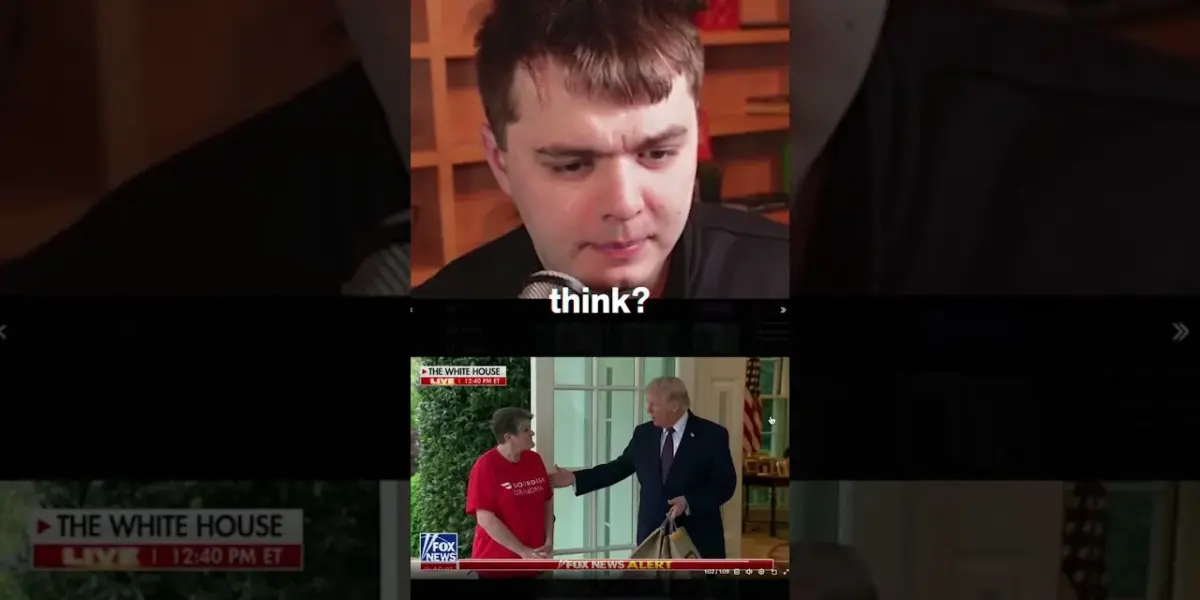
A recent encounter between a politician and a DoorDash delivery person has sparked conversation, highlighting a potential disconnect between political figures and everyday voters. The brief interaction, captured on video, shows the politician asking the delivery driver if they voted for them. The driver’s hesitant and ambiguous response, “Uh, maybe,” seemed to catch the politician off guard.
This moment, while seemingly minor, underscores a larger point: many politicians seem to believe their message resonates more broadly than it actually does. It suggests a possible overestimation of their support among the general population, particularly those outside of fervent political circles. The politician’s reaction implies surprise that someone they assumed was a supporter might not have voted for them.
Culture Wars vs. Kitchen Table Issues
The video transcript also touches on a common criticism of modern politics: an overemphasis on divisive cultural issues. One speaker points out that “most Americans aren’t obsessed with culture war issues.” This perspective argues that politicians often get caught up in topics like gender in sports or other social debates, while the average person is more concerned with practical matters. These are often called “kitchen table issues” because they relate to everyday concerns like finances, jobs, and the cost of living.
The implication is that focusing too heavily on these cultural flashpoints can alienate voters who are more focused on economic stability and personal well-being. While these cultural debates can be important, they may not be the top priority for a majority of people trying to make ends meet. The transcript suggests that the politician in question might be more tuned into these culture war topics than the average voter.
The Reality of Voter Support
The politician’s interaction with the DoorDash driver serves as a small but telling example of how political campaigns and real-world voter sentiment can differ. Political rallies and campaign ads often create an atmosphere of strong, unified support. However, individual interactions can reveal a more nuanced and sometimes less enthusiastic base.
The driver’s response, “Uh, maybe,” is telling. It could mean many things: they might have voted for the politician but aren’t sure if they want to admit it, they might be undecided, or they might not have voted at all. Regardless of the exact reason, the uncertainty itself is significant. It shows that assuming voter loyalty can be a risky strategy.
Why This Matters
This incident matters because it highlights the importance of politicians staying connected to the everyday lives and concerns of their constituents. When politicians appear out of touch, their messages can lose impact. The focus on culture wars over practical issues, as suggested in the transcript, can further widen this gap.
Understanding what truly motivates voters is crucial for effective governance. If politicians are misreading the room, their policy decisions and campaign strategies might be misaligned with public needs. This can lead to frustration and a lack of trust in the political process. The DoorDash encounter, though brief, is a reminder that genuine connection and understanding of voter priorities are essential.
Implications and Future Outlook
The trend of focusing on cultural issues in politics is likely to continue, as these topics often generate strong emotions and media attention. However, the long-term effect could be a growing disillusionment among voters who feel their basic needs are being ignored. As the economy remains a top concern for many, politicians who can effectively address these issues may find themselves gaining traction.
Looking ahead, campaigns that prioritize authentic engagement and focus on tangible solutions to everyday problems might prove more successful. The ability to connect with people on a personal level, beyond the usual political talking points, will be a key differentiator. The DoorDash driver’s simple “maybe” serves as a quiet but powerful reminder of this challenge.
Historical Context
Throughout history, politicians have faced challenges in understanding and connecting with the electorate. From town hall meetings in early American history to modern-day social media engagement, the methods have changed, but the core challenge remains. Early politicians often relied on direct interaction and local knowledge.
As populations grew and media evolved, the connection became more indirect. Radio, television, and now the internet have all shaped how politicians communicate and how voters receive information. Each new medium brings its own set of opportunities and pitfalls for maintaining genuine connection. This recent incident suggests that even with advanced technology, the fundamental need for politicians to truly listen and understand remains paramount.
“Most Americans aren’t obsessed with culture war issues in the way you are.”
This quote from the video transcript directly addresses the potential disconnect between political rhetoric and public sentiment. It suggests that while certain issues may dominate political discourse and media coverage, they may not reflect the primary concerns of the majority of citizens.
Looking Forward
The future of political engagement will likely depend on how well candidates can bridge the gap between their campaigns and the daily realities of voters. The DoorDash interaction, while small, points to a broader need for politicians to step outside their political bubbles and engage with people from all walks of life. True understanding comes from listening, not just speaking.
Source: Tumps Gets Embarrassed By DoorDasher! #politics #fyp #new (YouTube)

Related Articles

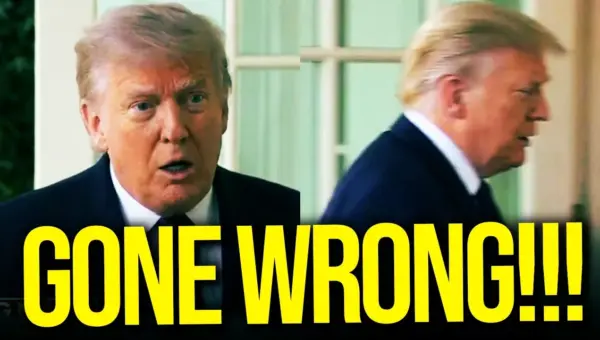
Trump’s Jesus Meme and Bizarre Presser Raise Alarms
Donald Trump's deleted Jesus meme and a bizarre press conference held during a DoorDash delivery have sparked widespread concern and criticism. His explanations, public spats, and policy statements reveal a pattern of provocative behavior and conflicting rhetoric.
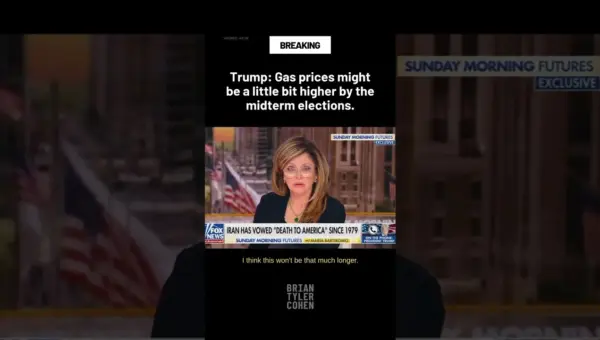
Trump Predicts Higher Gas Prices Ahead of Midterms
Former President Donald Trump suggested that gas prices might remain the same or even increase slightly before the midterm elections. He also raised concerns about the importance of a free and fair press.

Trump’s Health and erratic posts raise alarms amid global tensions
Recent observations highlight concerns about Donald Trump's health and a surge of erratic social media posts. Amid failing international negotiations and rising global tensions, his online activity has become increasingly bizarre, featuring fabricated stories and distorted realities. This pattern raises significant questions about his fitness for leadership and the potential impact on national and international stability.