Politicians Clash Over Boycotting State of the Union
A heated debate erupted over boycotting the State of the Union, questioning who decides which political events to attend. Audience numbers were used as a measure of public opinion, sparking further discussion on media influence and political representation.

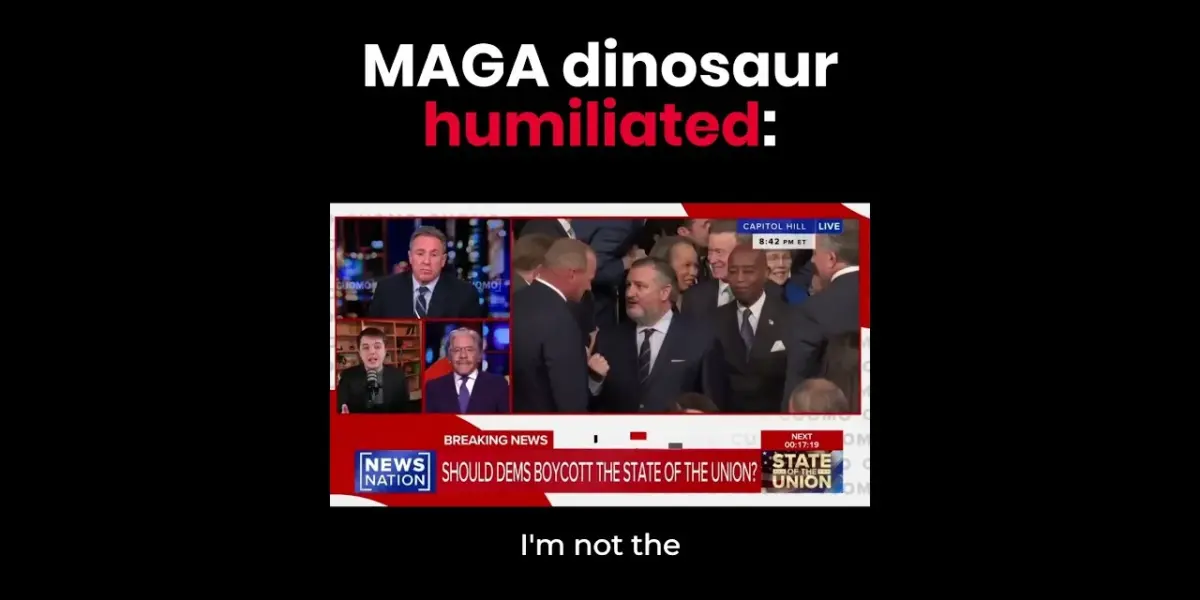
The State of the Union: A Stage for Political Feuds
The annual State of the Union address is meant to be a moment for the President to speak to the nation. However, it has become a frequent battleground for political disagreements. Recently, a debate erupted over whether boycotting the event is acceptable. One side argued that boycotting the State of the Union is disrespectful and unconstitutional, especially when a president lies.
The other perspective quickly fired back. This view pointed out that former President Donald Trump also faced accusations of disregarding the Constitution. The core of the argument then shifted to who gets to decide which leaders or events are worthy of attention. Is it up to one person, or a group decision?
Who Decides What’s Worthy?
One participant in the debate insisted that they are not the one making the decision to boycott. Instead, they claimed that Democrats themselves made the choice. This led to the idea that 50 senators and representatives decided not to listen. The argument suggested that it was the Democrats, not an individual, who chose to ignore the address. The American people, it was implied, also had a say in this sentiment.
This point was met with skepticism. The conversation then turned to audience numbers. One side highlighted that 100,000 people were watching a waiting screen before a show called ‘Midas Touchreen’ even started. They contrasted this with the audience size of the other person’s show, suggesting their viewership was smaller. The claim was that people want to know the truth, and large numbers indicate that desire.
Audience Size vs. Truth
The comparison of audience numbers was challenged. The question was raised: Does a larger audience on a platform like Fox News mean everyone should automatically agree with what is said there? This brought up an important point about how we consume information. Just because many people watch something doesn’t automatically make its content the absolute truth. It simply shows popularity.
The debate touches on a larger issue in our society. How do we decide what information is credible? Is it based on who delivers the message, how many people agree with it, or the actual content of the message itself? These questions become even more critical in our fast-paced digital age.
Why This Matters
This kind of public argument matters because it reflects deeper divisions in how we approach politics and information. When politicians or public figures debate whether to attend or boycott significant events like the State of the Union, it sends a message. It shows how polarized our country has become. It also highlights the power of media and audience numbers in shaping public opinion.
The debate also forces us to think about representation. When a group of elected officials decides to boycott, are they representing their constituents? Or are they making a partisan statement? Understanding these dynamics is key to understanding the health of our democracy. It’s about more than just one speech; it’s about how we communicate and listen to each other.
Historical Context
Boycotts of presidential addresses are not entirely new. Throughout history, members of Congress have sometimes chosen not to attend. These actions often stem from strong political disagreements with the president or their policies. For example, some members boycotted President Richard Nixon’s speeches due to opposition to the Vietnam War. These boycotts are usually symbolic gestures, meant to draw attention to a particular grievance.
However, the intensity and frequency of such debates seem to have increased in recent years. Social media and 24-hour news cycles amplify these moments. What might have been a quiet protest in the past can now become a national talking point within minutes. This makes the stakes feel higher for every political action and statement.
Trends and Future Outlook
We are seeing a trend where political events are increasingly judged by their viewership and social media buzz. This can overshadow the actual substance of the event. The focus shifts from policy discussions to who is watching and who is protesting. This trend could lead to more performative politics, where actions are designed for attention rather than genuine dialogue.
In the future, we might see more strategic use of boycotts and attendance. Politicians may weigh the potential media impact against the message of unity or division. It’s also possible that the public will become more critical of using audience numbers as a measure of truth. People might start demanding more substance and less spectacle from their leaders. The challenge will be to find a balance between expressing dissent and maintaining a functioning political conversation.
Source: He Got SMOKED 😂🔥 (YouTube)

Related Articles


Tariffs Spark Trade Wars: Are They Helping America?
One year after President Trump enacted global tariffs, experts debate their effectiveness. While intended to boost American manufacturing and secure better trade deals, these taxes on imported goods have faced legal challenges and partisan divisions. The ongoing discussion weighs the potential benefits against the risks of trade disputes and economic uncertainty.
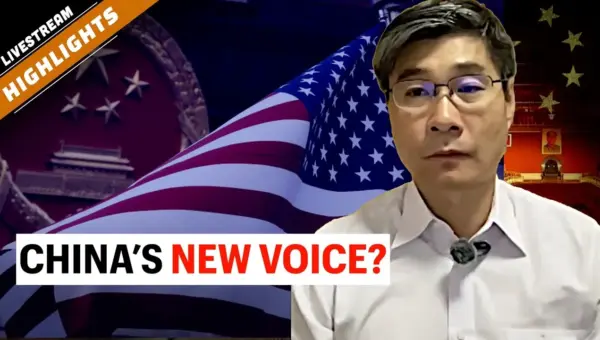
China’s New Voice: How a Detained Yale Grad Now Shapes US Discourse
A Canadian-Chinese YouTuber, Professor Jang, has rapidly gained traction in American discourse by predicting geopolitical events and criticizing the West. His rise, however, raises questions about his background and Beijing's sophisticated new strategy for influencing foreign opinion.
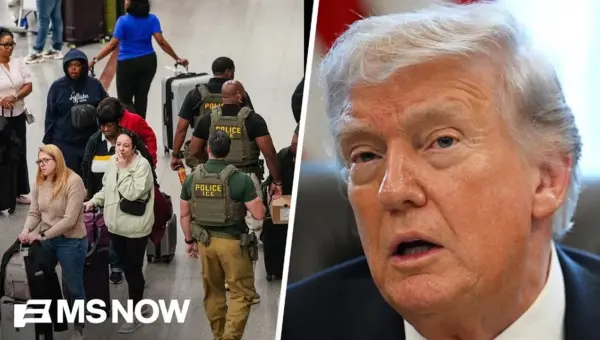
ICE Presence at Airports Sparks Intimidation Concerns
The deployment of ICE agents to U.S. airports amid the government shutdown is drawing criticism as an act of intimidation, despite claims it's to support TSA workers. Political deadlock over DHS funding continues, impacting federal employees and travelers alike.