Politicians Chase Votes, Not Progress, Fuels Dysfunction
Politicians are driven by self-interest, prioritizing reelection and the money that fuels it over public service. This cycle of addiction to power and funding undermines effective governance and erodes public trust. Addressing this requires rethinking the incentives within our political system.


Politicians Chase Votes, Not Progress, Fuels Dysfunction
Our political system faces a critical flaw: politicians are driven by the same powerful self-interest that shapes everyday life, leading them to prioritize reelection over public good. This isn’t a conspiracy; it’s human nature applied to the unique pressures of elected office.
Think about it. Most people work hard to provide for their families, seeking security and happiness. This natural drive for self-interest is accepted in the economy. However, we often expect politicians to set aside these basic human needs. The reality is, they are just as driven by self-interest as anyone else. Their primary way of expressing this is through winning reelection, again and again.
The Reelection Addiction
This constant pursuit of reelection becomes an addiction. It’s not just about the power; it’s also about the money that fuels the campaign machine. Politicians are drawn to this cycle, and the system often rewards it. This focus on staying in office can overshadow the actual work of governing and serving the public.
When politicians are constantly worried about their next election, their decisions can become skewed. Instead of making tough but necessary choices for the long-term benefit of their constituents, they might opt for popular but ultimately less effective policies. This can lead to political gridlock and a failure to address pressing issues.
The Influence of Money
A significant part of this problem is the role of money in politics. Large campaign donations and outside spending, often from groups like those involved in the Citizens United Supreme Court decision, can heavily influence political campaigns. These funds are often used to support candidates who align with specific agendas, further entrenching the focus on fundraising and reelection.
This influx of money creates a powerful incentive for politicians to stay in office and maintain access to these funding streams. It can create a system where those with the most money have the loudest voice, drowning out the concerns of average citizens. The system, as it stands, seems designed to favor this continuous cycle of fundraising and campaigning.
Historical Context
The idea that politicians might be influenced by personal gain is not new. Throughout history, political systems have grappled with corruption and the tension between public duty and private ambition. Early democracies and republics often implemented measures to prevent the concentration of power and ensure accountability. However, the modern era, with its sophisticated media campaigns and vast sums of money involved in elections, presents new challenges.
The rise of professional campaign managers, targeted advertising, and the 24/7 news cycle have amplified the importance of fundraising and public image. This environment makes the reelection imperative even stronger, potentially pulling politicians away from the substantive work of policy-making and compromise.
Why This Matters
This dynamic matters because it directly impacts the effectiveness of our government. When politicians are primarily focused on getting reelected, they may avoid taking bold actions that could solve complex problems but are politically risky. This can lead to a stagnant political environment where real progress is difficult.
Furthermore, it erodes public trust. When citizens see their elected officials seemingly more concerned with fundraising and political maneuvering than with addressing their needs, they can become disillusioned with the entire political process. This disengagement can be harmful to a healthy democracy.
Implications and Future Outlook
The current system encourages a political class that is more skilled at campaigning than at governing. This can lead to a lack of innovation and a failure to adapt to changing societal needs. The focus remains on short-term wins that secure votes, rather than on long-term investments that benefit society as a whole.
Moving forward, there is a clear need to re-examine the incentives within our political system. Potential reforms could include campaign finance regulations aimed at reducing the influence of big money, or structural changes that encourage long-term thinking. Some advocates suggest exploring alternative electoral systems or term limits, though these ideas are often debated vigorously.
Ultimately, the goal should be to create a system where politicians are rewarded for effective governance and public service, not just for their ability to win elections. The challenge lies in finding ways to align personal incentives with the collective good, ensuring that those in power are truly working for the people they represent.
Source: Politicians Are Addicted to Reelection #politics #fyp #new (YouTube)

Related Articles


CPAC Crowd’s Boos Reveal GOP’s Deep Divide
A moment at CPAC where the crowd booed impeachment hearings reveals deep divisions within the Republican party. Younger supporters are concerned the GOP base is crumbling due to issues like the Iran war, gas prices, and other controversies.


Trump Derails Bipartisan Deal, Halts Government Funding
Senate Republicans united on a funding bill for the Department of Homeland Security, but Donald Trump's opposition led House Speaker Mike Johnson to kill the deal. This political maneuver left TSA workers unpaid and highlighted the influence of personal directives over legislative progress.

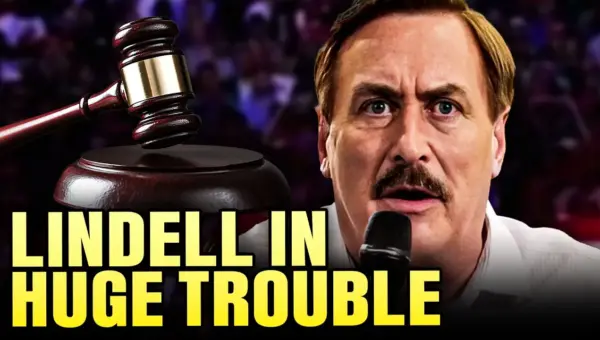
Lindell Faces Court Contempt Over Unpaid Fine
My Pillow CEO Mike Lindell has been held in contempt of court for refusing to pay a $56,000 fine to Smartmatic. The fine stems from his failure to comply with discovery requests in a defamation lawsuit. Lindell's claims of poverty are contrasted with his spending on his governor campaign, raising questions about campaign finance laws.