Political Firefight: CNN Debate Exposes Deep Divides
A fiery CNN debate exposed sharp divisions on claims of military victory and presidential power over justice. Commentators clashed over the reality of conflict success and whether presidents should direct investigations, revealing deep partisan divides.

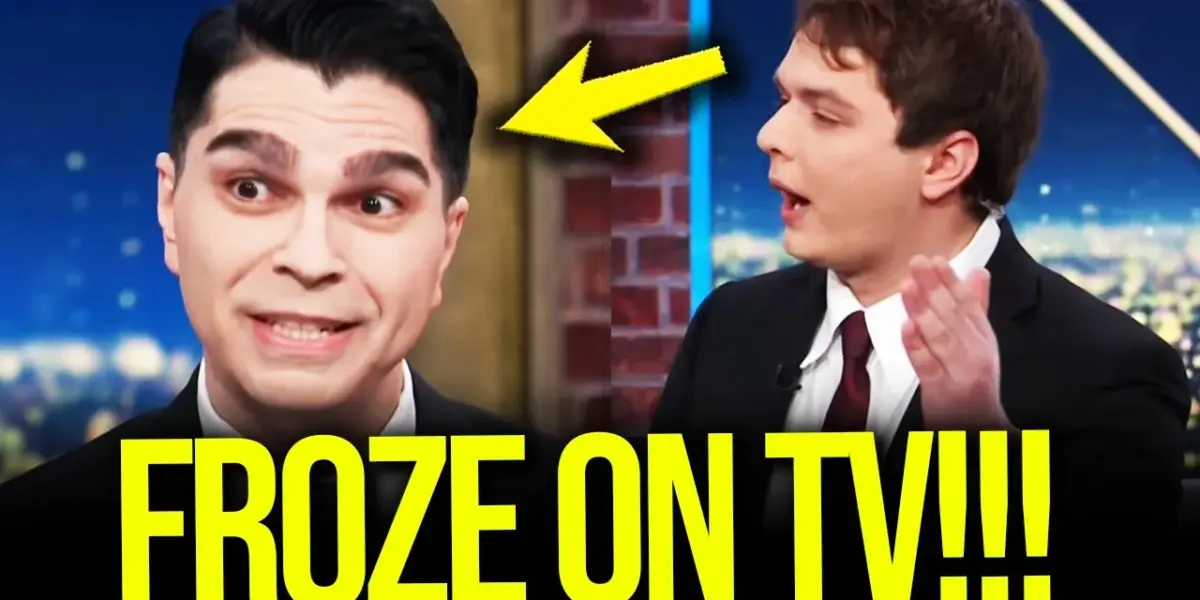
CNN Debate Ignites Fierce Clash Over War Claims and Political Tactics
A recent CNN discussion, captured and shared online, reveals a heated exchange between political commentators. The debate centered on claims of victory in a military conflict and the proper role of the U.S. president in the justice system. One side argued that the administration’s statements about the conflict’s success were directly contradicted by ongoing threats, like the continued firing of ballistic missiles and the closure of the Strait of Hormuz. They pointed out that key weapon systems and enriched uranium remained with the opposing forces, questioning the idea of a total victory.
The opposing view strongly disagreed, calling the claims untrue. They suggested that the focus should be on weakening enemy capabilities rather than completely destroying every single weapon. This perspective highlighted that no one claimed complete eradication of all threats from Iran. The discussion also touched on the strategic nature of Iran, noting their long-standing preparation for potential U.S. action and the likelihood of having hidden resources.
Questions of Presidential Power and Justice
Beyond foreign policy, the debate delved into how the U.S. president should interact with the justice system. One commentator expressed concern about presidents trying to control institutions like the Federal Reserve and the Department of Justice. They warned that in countries where presidents control monetary policy, those nations often struggle economically, citing Venezuela as an example. The idea of a president directing the DOJ to prosecute specific individuals was also called inappropriate.
This point was met with counterarguments that questioned whether Democratic leaders had ever created public “enemies lists” or directed investigations. One participant noted that while Democrats had spoken about wanting to see Donald Trump jailed, this was different from a president publicly calling for the prosecution of specific people. The distinction was made between public statements and private direction, with one side insisting that a president unilaterally deciding someone broke the law and ordering an investigation without proof was unacceptable.
“The president is more public about this and I don’t think that is a smart move from…”
The conversation also touched on the idea of “lawfare,” with one side suggesting that Republicans wanted the Attorney General to go after groups like Antifa and foreign-funded organizations. The other side pushed back, comparing it to the targeting of Steve Bannon and questioning the framing of such actions.
Moral Clarity and Leadership Lessons
A notable part of the discussion involved reflections on leadership and the lessons learned from political figures. One commentator expressed disappointment with the current president for spending valuable time attacking celebrities, comparing it unfavorably to the perceived moral clarity offered by past leaders like Barack Obama. They questioned what positive lessons could be learned from a leader who, in their view, encouraged bullying and isolation.
This sentiment was countered by a defense of the president’s stance on foreign policy. His arguments against spending trillions on overseas wars and in favor of investing in domestic needs were highlighted as a key differentiator during his campaign. However, the context of these statements was debated, with some arguing that the president’s past remarks about wars not being in U.S. interests were being reinterpreted or taken out of context.
Debating Policy and Public Opinion
The debate also addressed policy proposals, such as potentially returning Medicaid to state control. One participant expressed openness to states taking a larger role, framing it as a conservative effort to reduce the federal government’s size and cut fraud. However, the potential impact on beneficiaries and the idea of cutting essential services like Medicaid were raised as significant concerns.
The discussion concluded with a segment on the ongoing conflict and the intelligence surrounding it. One side argued that the intelligence gathered confirmed the immediate threat posed by Iran, supporting the decision to engage militarily. They explained that sensitive intelligence is often withheld early in a conflict to protect sources and methods. The opposing view, however, maintained that the administration’s claims were contradicted by evidence showing key threats remained intact, questioning the narrative of victory and the effectiveness of military actions.
Why This Matters
This exchange highlights the deep political polarization in the United States. It shows how different groups interpret the same events and statements in vastly different ways. The debate over military success, the president’s influence on justice, and the lessons we draw from leaders are critical to understanding the current political climate. These discussions shape public opinion and influence future policy decisions. The way disagreements are handled, even in heated debates, reflects the health of democratic discourse.
Implications and Future Outlook
The differing views on foreign policy and domestic issues suggest continued partisan divides. The emphasis on presidential power and its limits will likely remain a key topic. As elections approach, the way political figures communicate and the evidence they present will be scrutinized closely. The effectiveness of military actions and the justification for them will also continue to be debated, especially as more information becomes available.
Historical Context
The debate over presidential power echoes historical concerns about the balance of power between the executive branch and other institutions. Discussions about foreign intervention and the cost of wars have been ongoing for decades. Similarly, debates about social programs like Medicaid have roots in the formation of the American welfare state. Understanding these historical patterns helps us see how current arguments fit into a larger national conversation.
Source: I Confronted a MAGA Stooge on CNN… He FROZE! (YouTube)

Related Articles
Russia Demands Ukraine Yield Donbas Within Two Months
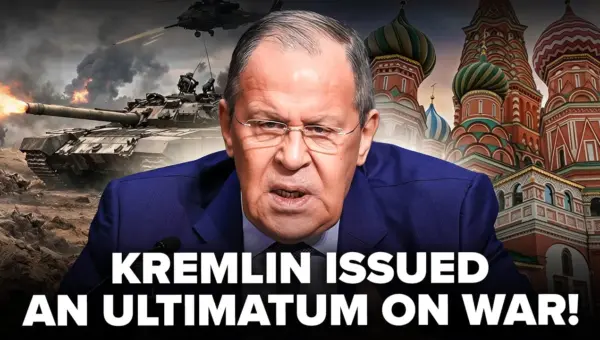
Russia has issued a two-month ultimatum for Ukraine to withdraw troops from the Donbas, a demand experts deem unrealistic given current battlefield conditions. Meanwhile, Ukraine's targeted strikes on Russian oil infrastructure aim to cripple Moscow's war funding, while its advancements in drone technology are gaining international traction.
Iran’s Military Power Crushed, Trump Claims Victory
President Trump claims the U.S. is close to completing its strategic goals against Iran's military, stating its navy, air force, and missile programs are "destroyed" or depleted. He thanked Middle East allies for their cooperation in this effort.

Epstein Files Mystery: Are Powerful People Above the Law?
The release of the Epstein files has left many wondering why powerful individuals implicated seem to be avoiding consequences. This perceived impunity fuels public frustration and distrust in the justice system, raising questions about fairness for all.