Polestar 4 Ditches Rear Window, Embraces Tech Over Tradition
The 2026 Polestar 4 makes a bold statement by ditching its rear window entirely, relying on cameras for visibility. While it offers striking design and strong performance, this radical approach, coupled with a heavy reliance on tech and some practical drawbacks, makes it a polarizing choice for buyers.

Polestar 4 Ditches Rear Window, Embraces Tech Over Tradition
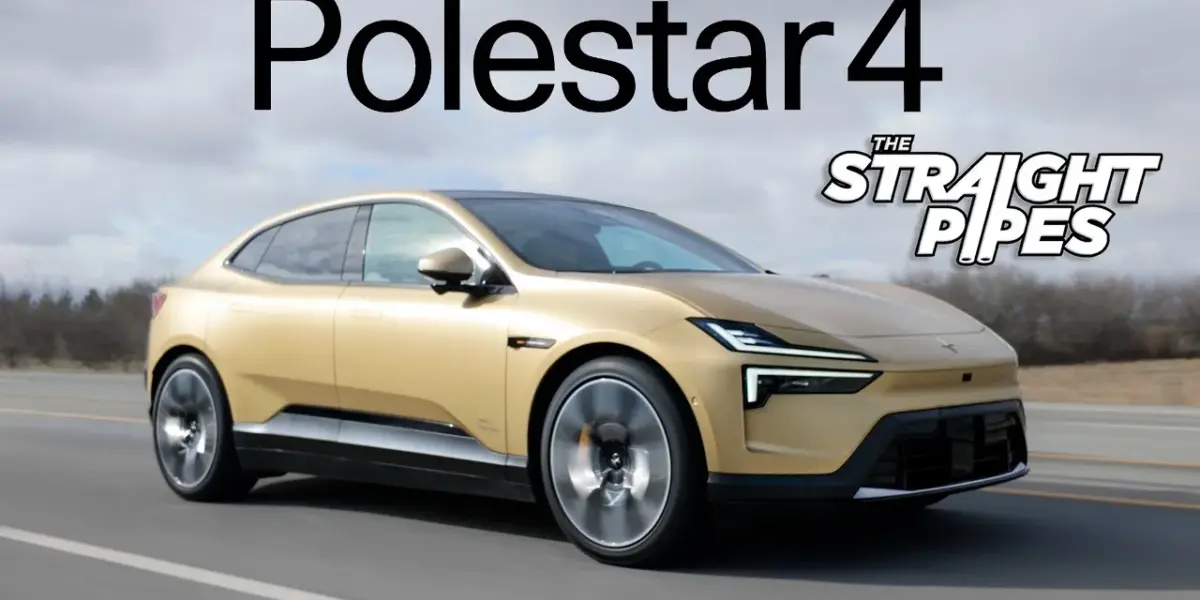
The 2026 Polestar 4 is here, and it’s a radical departure from what you expect in a car. Polestar has boldly removed the rear window, relying entirely on cameras for visibility. This, along with a heavy dose of technology, makes the Polestar 4 a vehicle that demands attention, for better or worse.
Cool Stuff: A Visionary Design
Let’s start with what makes the Polestar 4 stand out. Its design is undeniably a head-turner. Park it anywhere, and people will stare. It’s a modern, sleek look that builds on the Polestar aesthetic. The suspension system is also a highlight, offering distinct modes like Nimble and Firm that make a noticeable difference. Adjusting these modes is impressively quick, especially without air suspension.
Inside, the Polestar 4 is remarkably quiet and well-insulated. Even driving over wet surfaces, the usual tire noise is minimal, creating a serene cabin experience. The ambient lighting is a unique touch, dynamically changing to reflect the planets. Imagine your car’s interior lighting shifting from the sun to Mercury – it’s a fun, if niche, feature that kids will likely love.
Rear-seat space is generous, offering plenty of room even for adults. The massive electrochromic roof adds to the airy feel, and it can be tinted for privacy or sun protection. While the lack of a rear window makes the back seats dark, the overall cabin ambiance is pleasant. The infotainment system, powered by Android Automotive, is surprisingly fluid and responsive, which is crucial given how much control is housed within it. Thankfully, there’s no lag, making navigation and adjustments smooth. Wireless Apple CarPlay and Android Auto are also included, a welcome sign that Polestar hasn’t abandoned essential features.
Other positives include a high-quality air filtration system, similar to what you find in luxury SUVs. The sound system is also quite good, especially once you disable the surround sound feature, which can make spoken audio sound less clear.
Issues and Not-So-Cool Stuff: Sacrifices for Style
The most striking feature, the absence of a rear window, is also the Polestar 4’s biggest talking point and potential downfall. Instead, a digital rearview mirror displays camera feeds. While you can use this to check on passengers, it’s a constant display, which can be distracting. The camera feed can also be quirky; turn signals cause the image to shift, and the indicator sound is described as a speaker clipping, which is rather odd. The constant need to refocus your eyes between the road and the digital mirror can be tiring.
The 360-degree camera system, while useful, has noticeable frame rate issues, making it feel less smooth than expected. The car also has frameless windows, which can cause problems. In cooler weather, the door handles made a concerning noise when opening. More worryingly, the rear window (or lack thereof) and frameless windows can malfunction. One instance saw a rear window lower itself slightly and fail to close properly, allowing water inside during a car wash.
With 14 exterior cameras, the Polestar 4 is packed with sensors. While this aids driver assistance, it also means any body panel damage could lead to significantly higher repair costs. The key fob, which has no buttons, and the key card system can be inconsistent. While it offers proximity unlocking, reviewers experienced issues with the car not recognizing the key consistently, requiring manual interaction.
The level of customization, while a positive for some, can be overwhelming. Adjusting things like the steering column or mirrors often requires navigating through multiple menus on the infotainment screen. This can be distracting and is a concern for safety. The range is another concern. Polestar quotes 451 km (about 280 miles) for the 100 kWh battery, which is not competitive, especially in colder weather where efficiency drops significantly.
Connected services, powered by Google, are only included for one year, and information on post-subscription costs is hard to find. Apple CarPlay and Android Auto require accepting multiple permissions each time you get in the car. Even settings like the electrochromic roof tint don’t always save, reverting to tinted when you prefer it clear.
The front trunk (frunk) is very small, and the glove box can only be opened via the infotainment screen. While one-pedal driving is available and can be set as a shortcut, the overall reliance on the screen for basic functions is a point of contention. Finally, the massage seats, while a nice feature, are described as feeling like “ball bearings” and are not particularly comfortable for one reviewer.
Performance and Value
The Polestar 4 offers serious power, with the dual-motor setup producing 544 horsepower and 506 pound-feet of torque. This translates to brisk acceleration, especially with a higher battery charge. Charging from 10% to 80% takes about 30 minutes at up to 200 kW. A full charge on a Level 2 charger takes around 11 hours.
Pricing for the Polestar 4 starts at $64,900 CAD (approximately $47,000 USD). With optional packages like the performance pack and matte paint, the price can climb to around $93,400 CAD (about $68,000 USD) for a fully loaded model. This positions it in a competitive segment, facing rivals like Tesla, BMW, and Audi. The value proposition is debatable; you get cutting-edge design and performance, but you also make significant compromises in practicality and traditional usability.
Verdict
The 2026 Polestar 4 is a car that polarizes. It’s undeniably stylish and packed with innovative technology, but its radical design choices, particularly the lack of a rear window, create practical challenges. The heavy reliance on the infotainment system and the sometimes-fussy tech features might appeal to early adopters who crave the latest gadgets. However, for those who prioritize traditional car functions, ease of use, and reliable visibility, the Polestar 4 might feel like a step too far. The upcoming wagon version with a rear window could address some of these concerns, but as it stands, the Polestar 4 is a bold statement that won’t be for everyone.
Source: BEST or WORST? 2026 Polestar 4 Review (YouTube)

Related Articles


Hyundai Boulder Concept: A Rugged SUV That Looks Ready for Adventure
Hyundai's new Boulder concept SUV makes a powerful statement with its rugged design and emphasis on capability. Showcasing a tough aesthetic and functional details, the Boulder hints at Hyundai's future direction for adventure-ready vehicles. While purely a concept, it signifies the brand's interest in expanding into more extreme off-road segments.


Renault Twingo Electric: Fun, Affordable EV Arrives
The Renault Twingo Electric is back, aiming to make EVs fun and affordable with a starting price under £20,000. It offers a 163-mile range, charming retro design, and surprising practicality for city driving.
BMW iX3 Interior Shines Against Older X3M
The new BMW iX3 showcases a modern and exciting interior, moving away from conservative designs. While it boasts high-tech features and good materials, the older X3M still impresses with its solid build quality and user-friendly physical controls.