Poland’s President Vetoes Regional Language Law, Sparking Outcry
Poland's President Andrzej Duda has vetoed a law recognizing the Wymysorys language, a move sparking controversy and dismay. Despite historical suppression and political obstacles, a dedicated community in Wilamowice is fighting to preserve its unique linguistic heritage through cultural initiatives and modern outreach.

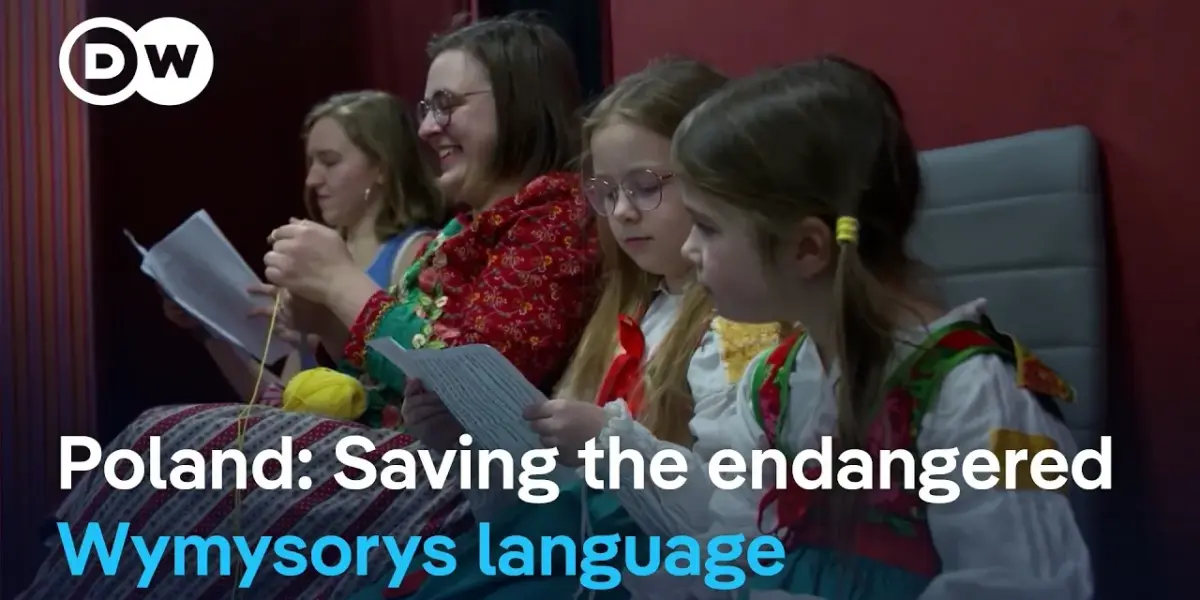
Polish President Vetoes Wymysorys Language Recognition
In a move that has ignited controversy and dismay among linguistic preservationists, Poland’s President Andrzej Duda has vetoed a law that would have officially recognized the Wymysorys language as a regional language. The language, spoken by a small minority in the southern Polish town of Gmina Wilamowice, is now facing an uncertain future despite growing efforts to preserve it.
The Wymysorys Language: A Unique Linguistic Heritage
Wymysorys is not merely a dialect; it is a distinct language with a rich and complex history, spoken by the Wilamowice minority in the town of Wilamowice, southern Poland. For centuries, this community thrived, developing its own unique culture, traditions, and a language that evolved from its historical trading ties across Europe. Once a predominantly German-speaking town, Wilamowice saw its inhabitants develop their own linguistic and cultural identity over time.
“It’s disappointing that President Duda has vetoed a law that would have protected Wymysorys as a Polish cultural and linguistic asset. But it doesn’t change the fact that the language is still spoken and lived here.”
– Timoteusz Kwapisz, leading expert on Wymysorys
Historical Persecution and Lingering Scars
The dark shadow of World War II loomed large over the Wilamowice community. Following the war, the Wymysorys language and traditional clothing were banned, and those who spoke it, even within their own homes, faced persecution. These actions left deep emotional scars on the community, suppressing the natural transmission of their language and culture for a generation. The ban on speaking Wymysorys was never officially lifted, meaning that, technically, its use remains a violation of past legislation.
Modern Revival Efforts Against All Odds
Despite the historical suppression and the president’s recent veto, the spirit of the Wilamowice community remains unbroken. Native speakers of Wymysorys are now rare, but a dedicated group of individuals, particularly younger generations, are actively working to keep the language alive. These efforts extend beyond traditional methods, with enthusiasts utilizing modern platforms like TikTok to connect with other speakers globally and raise awareness.
The commitment to revitalizing Wymysorys is evident in various cultural activities. A local theater group, for instance, is actively rehearsing a play in the language. Piotr, a young speaker and participant in the theater group, shared his experiences:
“Sometimes they laugh and call me a weirdo. But there are also a few people here who join in. One of my classmates from high school says hello in Wymysorys when we meet.”
– Piotr, Wymysorys speaker
Piotr’s passion is a testament to the language’s resilience. He is living proof that Wymysorys is not merely fading away but is being actively nurtured by a new generation. The local museum in Wilamowice also plays a crucial role, exploring the complex history of the language and its speakers.
International Recognition and Polish Disregard
The significance and distinctiveness of Wymysorys have been acknowledged on an international level. The Library of Congress in the United States recognized the language in 2007, followed by UNESCO in 2009. Scholars from diverse corners of the globe, including Australia, Iceland, Canada, and Japan, have also studied and acknowledged its unique linguistic status. This global recognition stands in stark contrast to the recent actions of the Polish government.
Political Obstacles and Lingering Hope
President Duda’s veto has been interpreted by some as a reflection of a broader political agenda. Critics suggest that President Duda’s vision of a unified nation, centered on a single language and religion, leads to the marginalization of minority groups. The president and his party, Law and Justice (PiS), have consistently opposed policies proposed by the current liberal government, and the veto appears to align with this pattern. Both the president and his party declined requests for an interview regarding the veto.
Despite the political setback, the Wilamowice community remains resolute. The theater group continues its rehearsals, dreaming of a future where Wymysorys is not only permitted but also taught in schools. This aspiration hinges on the possibility of the President withdrawing his veto, a scenario that currently appears unlikely given the political climate.
The Show Must Go On
The successful first dress rehearsal of the play serves as a powerful symbol of the community’s determination. Piotr reflects the sentiment of many in Wilamowice: “In Wilamowice, people aren’t easily discouraged, not even by a stubborn president.” The fight for the survival of Wymysorys continues, fueled by passion, cultural pride, and the unwavering belief that their unique linguistic heritage deserves to be preserved and celebrated.
Source: Regional language Wymysorys is fighting for survival in Poland | Focus on Europe (YouTube)

Related Articles


Poland Faces Escalating Russian Propaganda Amid Defense Buildup
Poland is facing an escalating campaign of Russian propaganda, a strategic move by the Kremlin targeting the nation's significant defense spending and its role in regional security. Moscow's narrative appears to be exploiting geopolitical tensions, the conflict in Ukraine, and ethnic sensitivities to destabilize the Eastern European nation.


Noble’s Final Night: Castle Dare and a Mysterious Death
A nobleman's deadly dare in a haunted Polish castle in 1933. Anton Hullberg accepted a challenge to spend the night in a forbidden room, only to be found dead by his friends, with a mysterious red mark around his neck and no explanation for his demise.

Sweden Deports Young People Amid Strict New Immigration Law
Sweden is enforcing a stricter immigration policy, leading to the deportation of young people who have grown up in the country. Despite learning Swedish, building lives, and having family ties, individuals as young as 19 are facing removal, sparking widespread protests and public concern.