PM’s Circle Ignored Red Flags in Mandelson Appointment
Government files reveal that a close circle within Prime Minister Keir Starmer's administration ignored red flags concerning Lord Mandelson's appointment as US ambassador, despite his association with Jeffrey Epstein. Concerns about reputational risk and a rushed process were reportedly overlooked, highlighting structural issues in vetting high-profile roles. The revelations have sparked debate about power dynamics and the need for greater inclusivity in decision-making processes.

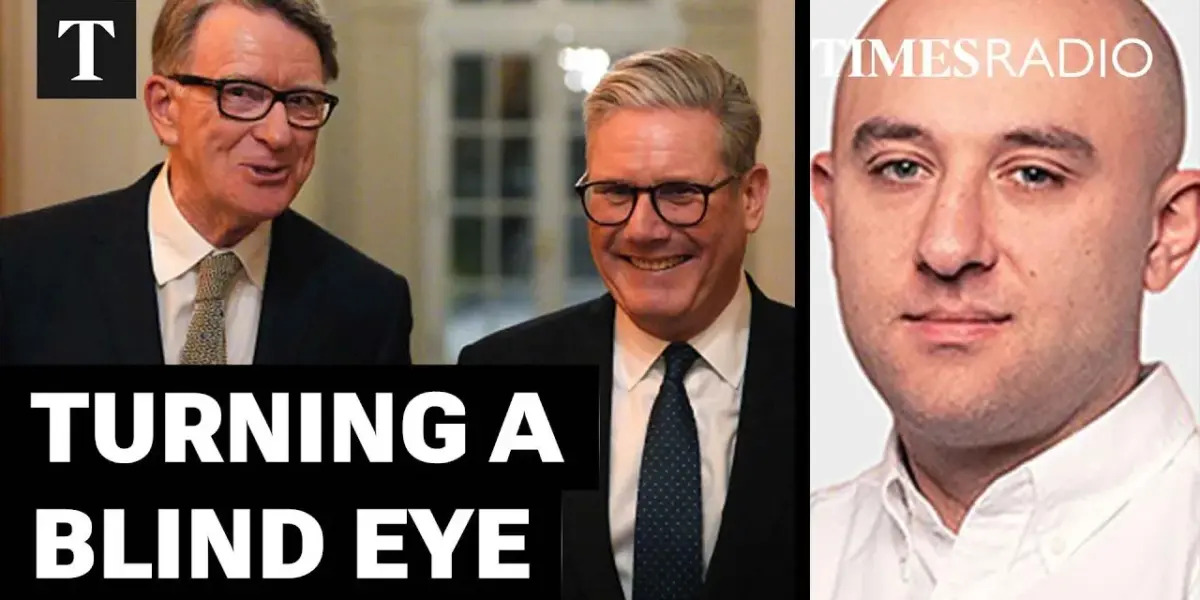
Red Flags Ignored in Mandelson Appointment, Files Reveal
Newly released government files indicate that a close circle of individuals within Prime Minister Keir Starmer’s administration pushed ahead with the appointment of Lord Mandelson as US ambassador despite significant warnings regarding his association with financier Jeffrey Epstein. The documents suggest a pattern of overlooking concerns, with a consistent response of “notwithstanding the above, it’s kind of fine” whenever issues were raised.
Concerns Raised Over Reputational Risk
Jonathan Powell, the national security adviser at the time, reportedly voiced concerns about the reputational risks associated with appointing Mandelson. He warned that the appointment appeared to have been “weirdly rushed.” The released documents, totaling 147 pages, reportedly mention the word “victim” only once, and that instance was in relation to Mandelson’s own perceived feelings, a point highlighted by Minister Nick Thomas-Symonds.
“The fact that you see the word victim only once in these documents I think points not to something that’s only about these documents but about the power structures that we have not just in politics and business but right across society that you’re absolutely right has for too long not given uh proper attention and priority to violence against women and girls,” stated Thomas-Symonds.
Structural Problems in Appointments Process
Emily Darlington, Labour MP for Milton Keynes, expressed dissatisfaction with the government’s response, pointing to significant structural problems in how high-profile appointments are made. She noted the absence of any women mentioned as part of the vetting process for such appointments, suggesting that their inclusion could have led to a different, more appropriate outcome and potentially avoided the entire scandal.
“I think as women uh we have a much higher sniff test what we think is is actually acceptable or not,” Darlington explained. “While there is absolutely no suggestion that Peter Mandelson was at all involved in the sexual crimes of Jeffrey Epstein. Uh I think a woman would have understood just the proximity uh especially after he’d been in jail would have just been not appropriate for a position like the US ambassador.”
The “Boys’ Club” Dynamic
The discussion also touched upon the perception of a “boys’ club” within politics, with accusations that Keir Starmer runs his administration relying heavily on trusted, predominantly male, senior advisors. Darlington acknowledged that this has been a long-standing issue in politics but suggested that Starmer possesses a strong understanding of misogyny and its underlying structures. The challenge, she argued, lies in effectively addressing these deeply ingrained networks.
Gabriel Pogrund, Whiteall editor at The Sunday Times, corroborated this, noting that a “tiny coterie of people all of whom are bound not just politically but personally” were involved. He observed that whenever a “red flag is raised, anytime concerns are outlined, somebody somewhere essentially says, ‘Notwithstanding the above, it’s kind of fine.'” Pogrund also identified a common thread among key figures in the story being men and belonging to specific political factions, particularly those with a shared “deep hostility towards the left” during Jeremy Corbyn’s leadership.
Financial Implication: A Settled Payment
The files also shed light on a payment made to Peter Mandelson. He reportedly received £75,000, assessed as good value for money in the documents, particularly when compared to his initial request of over £500,000. However, this payment has drawn criticism.
“First of all, can I just say uh um I was shocked to hear how much he thought he should get quite frankly um after so little work and leaving this government in scandal… £75,000. It’s a lot of money. It it really does not make me comfortable that we’ve spent that money on getting rid of him,” Darlington commented, expressing a personal preference for him to have received nothing.
Broader Societal Implications
The conversation extended to the broader societal implications of such power structures, drawing parallels between the Epstein scandal and others like the Harrods and Tape brothers’ affairs. The core issue identified is the need to understand how these networks operate and protect their members. The lack of a “moral issue” being raised at any point in the documents, despite the known activities of Jeffrey Epstein, was highlighted as particularly striking.
Pogrund suggested that the revelations will “linger like a foul odour” and compound Starmer’s already “very weak” position, especially with further document releases expected. He emphasized that the current situation demands a level of outrage and attention that will be difficult for the Prime Minister to ignore.
What’s Next?
As more documents are anticipated, the focus will remain on the transparency of appointment processes and the accountability of those involved. The ongoing scrutiny is likely to intensify pressure on the government to address systemic issues within political and professional networks, ensuring that potential risks are not overlooked in the future.
Source: Mandelson Files: Red Flags Were Ignored By PM’s Circle | Gabriel Pogrund (YouTube)

Related Articles


Epstein Survivors Sue DOJ, Google Over Data Leak
Survivors of Jeffrey Epstein have filed a class-action lawsuit against the U.S. Justice Department and Google, alleging the improper release of private information. The suit claims that despite the DOJ's efforts to retract the data, survivors' personal details remain accessible online, causing renewed trauma and threats to their safety. This legal action seeks accountability and aims to prevent future data disclosures.

Labour’s Policies Vindicated, Ed Miliband Leads From Within
Labour's current policies are increasingly seen as vindicated by events, with Ed Miliband's economic and industrial vision guiding the party's direction. Meanwhile, speculation mounts over Sadiq Khan's potential move to a Westminster peerage and cabinet role, possibly as a response to anticipated poor local election results for Labour in London. The geopolitical landscape, particularly the conflict in the Middle East, also continues to shape the government's agenda.


UK’s Starmer Risks US Ties, Courts Iran Threat
British Prime Minister Keir Starmer's stance on Iran is creating a rift with the U.S., raising concerns about national security and appeasing specific groups. The former PM warns of escalating anti-Semitism and calls for stronger conservative leadership, while reflecting on the monarchy and the challenges facing Prince Harry and Meghan Markle.