PM Tours Gulf Amid War Fallout, Domestic Challenges Loom
Prime Minister Rishi Sunak is in the Persian Gulf to discuss the economic and diplomatic fallout from regional conflicts, while domestic elections loom. The war's impact on the cost of living and upcoming votes in Wales and Scotland are creating significant political challenges.

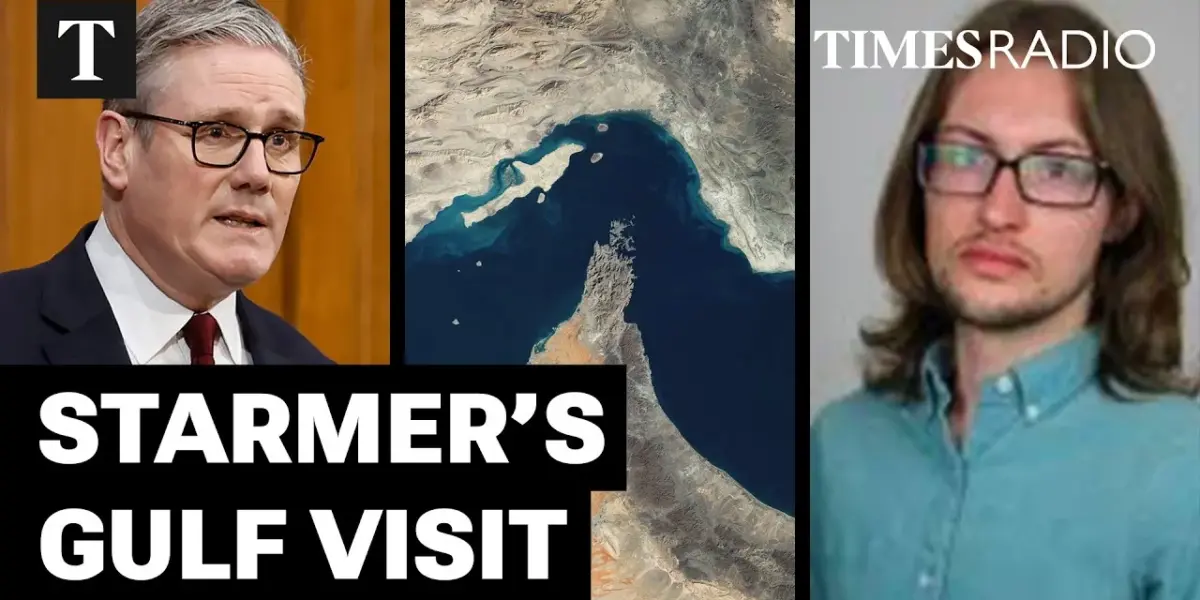
Prime Minister Rishi Sunak has arrived in Saudi Arabia for crucial meetings with British allies in the Persian Gulf. The visit aims to assess the ongoing impact of regional conflicts and discuss future steps with international partners. While Sunak engages with allies on the front lines of diplomatic and economic challenges, domestic politics continues to heat up, with upcoming local and national elections expected to pose significant hurdles for the Labour party.
Sunak’s Gulf Diplomacy Focuses on Post-Conflict Stability
The Prime Minister’s trip to the Persian Gulf is primarily a strategic engagement, as the UK maintains it is not militarily involved in the current conflict. Number 10’s focus is on understanding and mitigating the long-term effects of Middle Eastern instability on Britain. This includes addressing the economic fallout, such as price spikes for essential goods, which have a lasting impact. The situation around the Strait of Hormuz, a vital shipping lane, is particularly critical. Any disruption there could significantly affect international trade and shipping routes, leading to prolonged economic consequences.
Sunak is meeting with leaders from several Gulf nations and British troops who have supported defensive efforts in the region. The discussions are geared towards thanking allied forces and strategizing on the “next steps.” The UK has been instrumental in forming a coalition of over 40 countries working to ensure a safer future through both military and diplomatic means. This fragile two-week ceasefire window is seen as a key period for these diplomatic efforts.
Economic Repercussions and Rising Costs
The war’s impact on the cost of living in the UK is a major concern. While oil prices may be falling, the economic damage is expected to linger. Economists predict that even if the current fragile ceasefire holds, international inflation could remain at 3-4% by the end of the year. This will likely translate into higher energy bills and increased costs for essential products like fertilizers, which are often transported through the affected shipping lanes.
The disruption of shipping through the Strait of Hormuz has already caused delays, with ships waiting to pass through. The possibility of Iran imposing tariffs on tankers could add approximately $1 per barrel to oil costs. This comes at a time when diesel prices have already seen a significant spike, reaching nearly 190.6 pence per liter. The Prime Minister has made it clear that addressing the cost of living is a top priority, especially with upcoming elections.
Labour Faces Electoral Test Amid Political Headwinds
The Labour party is bracing for difficult local elections next month. While not directly electing a new Prime Minister, these votes are widely seen as a referendum on the current government’s performance. Labour’s position is complicated by the government’s need to make unpopular decisions and past policy U-turns.
Despite facing a challenging electoral landscape, Labour leader Keir Starmer has seen a slight improvement in his personal polling numbers. This is partly attributed to his handling of the Middle East conflict. His decision to avoid direct military involvement alongside the US has been viewed positively in the long term, aligning with public sentiment and proving to be a popular stance. However, this positive shift may not be enough to offset the broader challenges Labour faces in the upcoming elections.
Reform UK Champions North Sea Oil and Gas
In Scotland, the Reform UK party is campaigning on a platform to restart North Sea oil and gas drilling. Party leaders Malcolm Offord and Richard Ty see this as a significant vote-winning issue, particularly as concerns about the cost of living and energy prices rise. The ongoing conflicts in Ukraine and the Middle East have led many voters to prioritize economic stability over environmental concerns.
Reform UK is pledging to lower energy bills by increasing domestic production. While the practicalities of this, including international market sales and technical complexities, are significant, the party aims to capitalize on public sentiment. They position themselves as the only party taking decisive action on energy costs, potentially influencing the debate within other parties, including the Labour party.
Welsh Politics Facing a Potential Overhaul
Wales is poised for a potentially transformative election. For nearly a century, Labour has dominated Welsh politics. However, recent opinion polls suggest Labour could fall to third or even fourth place in the upcoming elections for the Senedd (Welsh Parliament).
Plaid Cymru is expected to make significant gains and could potentially form a coalition with the Green Party, which is aiming to secure its first Members of the Senedd. Such a coalition would represent the first pro-independence government in Wales. Reform UK is also looking to gain a foothold in the Senedd. The introduction of a new, proportionally representative voting system is expected to create a more fragmented political landscape, potentially ending Labour’s long-standing dominance in the region.
Source: Starmer Visits The Gulf To Evaluate Next Steps After Ceasefire | Ollie Cole (YouTube)

Related Articles

Iran Controls Persian Gulf After US Ceasefire, Analyst Claims
Iran has asserted control over the Persian Gulf following a US-declared military victory and ceasefire, according to analyst Tim Marshall. Despite US claims of success, Marshall argues Iran's actions demonstrate its regional dominance, particularly concerning its nuclear program and control of the Strait of Hormuz.


California Exodus Worsens as Costs Soar
Tens of thousands of residents are leaving Los Angeles, marking one of the biggest population drops in the nation. Soaring costs, shrinking opportunities, and policy concerns are driving this exodus. Experts warn of potential economic instability as the state's tax base shrinks.

Missing Pilot Sparks Propaganda Fears Amid Iran Search
A U.S. pilot is missing after his aircraft was shot down over Iran, triggering a search operation and fears of a propaganda coup if the airman is captured. Defense analysts discuss pilot survival training and Iran's strategic air defense tactics.