PM Heads to Gulf Amid Ceasefire Hopes and Strait of Hormuz Concerns
The UK Prime Minister is traveling to the Gulf region following a newly announced two-week ceasefire, aiming to secure a lasting agreement and observe defensive operations. Concerns remain over the details of the ceasefire and the critical Strait of Hormuz, a vital global shipping lane. The visit underscores the UK's commitment to regional stability and international trade.

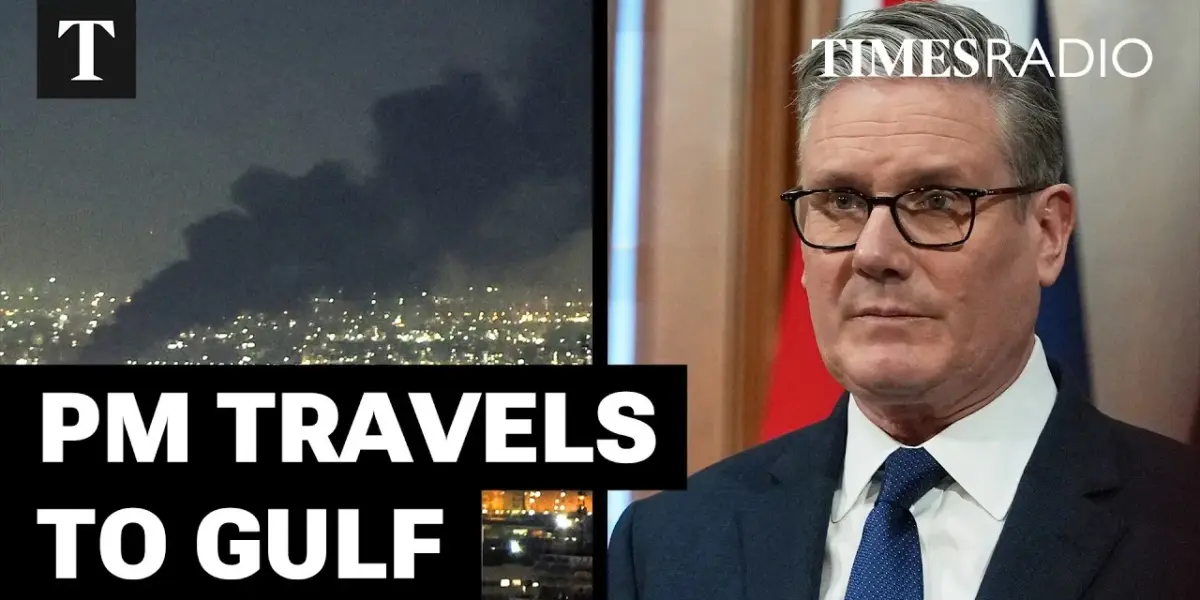
UK Prime Minister Travels to Gulf Region Following Ceasefire Announcement
The United Kingdom’s Prime Minister is traveling to the Gulf region today following the announcement of a two-week ceasefire. This move comes after weeks of escalating tensions and a period of significant global concern over potential military action. While the ceasefire offers a sigh of relief, details remain somewhat unclear, and the situation in the Strait of Hormuz remains a key point of focus for international diplomacy and trade.
Ceasefire Offers Hope, But Challenges Remain
Policing Minister Sarah Jones expressed the government’s pleasure regarding the ceasefire announcement. “We are really pleased that this ceasefire has been announced,” Jones stated. “We now want to see it turn into a lasting agreement.” However, she acknowledged that the path forward will not be simple. “We don’t have all of the details of the ceasefire at this point,” she admitted. “I suspect there will, in all honesty, be challenges.”
Strait of Hormuz: A Critical Waterway
A major point of discussion is the Strait of Hormuz, a vital shipping lane. The minister highlighted the need for shipping companies to regain confidence in the passage. “Opening up the Straits of Hormuz is also challenging, of course, because the shipping companies need to have confidence that they’ll be able to get through,” Jones explained. She emphasized that free passage is a core principle of international law. The Strait is crucial not only for oil but also for essential goods like fertilizer, which many countries rely on.
Prime Minister’s Mission to the Gulf
The Prime Minister’s visit aims to observe defensive actions in the region and actively work towards securing a lasting agreement. “He wants to see the work of our brave personnel who are there in the region of course with our three very key principles of protecting British interests and protecting British citizens and our allies,” the minister said. While the full itinerary is not public, the visit underscores the UK’s commitment to regional stability and the reopening of critical trade routes.
UK’s Role in International Diplomacy
The UK has been actively involved in international efforts to de-escalate the crisis. Officials have been engaging with around 40 countries to address the challenges in the Strait of Hormuz. While the UK was not directly involved in the ceasefire talks, which saw Pakistan play a leading role, it is focused on working with allies to encourage de-escalation and restore normalcy. The government also recognizes the impact of global events on the cost of living for citizens in the UK.
Concerns Over Escalation and Rhetoric
The recent tensions raised serious global concerns, with reports of the White House having to deny plans to deploy nuclear weapons. The minister described the situation as a “worrying 24 hours.” She called the language used by some leaders “unacceptable and wrong,” stressing the importance of calm discussions. “Words matter very much actually,” Jones noted. The British government’s aim is to see the ceasefire evolve into a permanent resolution, a goal they believe should be universal.
North Sea Investment and Energy Security
In domestic news, the discussion touched upon energy security and investment in the North Sea. Oil and gas companies have identified projects that could yield over a billion barrels of oil and gas by the end of the decade. These companies are reportedly willing to invest £17.5 billion if the government adjusts its energy policy. The government maintains that the North Sea will be important for decades to come but emphasizes the need for energy diversification.
Tackling Knife Crime in the UK
Shifting focus to domestic policing, the minister addressed new measures to combat knife crime. These include increased police patrols, knife arches, and the use of live facial recognition technology. Jones clarified that while the technology has a very small margin of error (around 1 in 6,000), it always requires human verification. “No decisions are ever made by new technology,” she stressed. The government highlighted progress in reducing knife crime, citing a 27% fall in murders committed with knives and an 8% overall decrease in knife crime over the past 18 months.
Looking Ahead
The coming days will be crucial in observing whether the announced ceasefire holds and develops into a stable, long-term agreement. The Prime Minister’s visit to the Gulf is expected to shed more light on the regional dynamics and the UK’s role in fostering peace and ensuring the free flow of international trade. Meanwhile, domestic policies on energy and crime continue to be a focus for the government.
Source: Starmer To See Ceasefire Arrangements In Gulf Region 'For Himself' (YouTube)

Related Articles
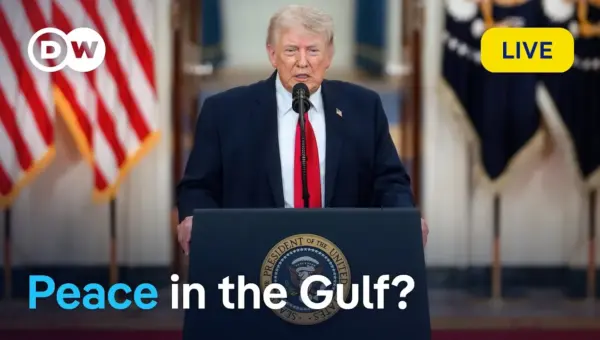
Iran Truce Deal: What’s Next for Middle East Tensions?
Iran, the US, and Israel have reportedly agreed to a conditional two-week ceasefire, which includes reopening the vital Strait of Hormuz. Experts express caution about the truce's longevity, while analyzing its potential impact on Iran's proxies and the political landscape.


Iran Deal Offers Trump War Exit Amid Political Fallout
A new Iran deal offers President Trump an exit from potential conflict, sparking debate over its origins and implications. Supporters hail it as a diplomatic win, while critics argue it ignores Iran's history of aggression and risks emboldening the regime. The political fallout within the US is significant, regardless of the deal's ultimate success.

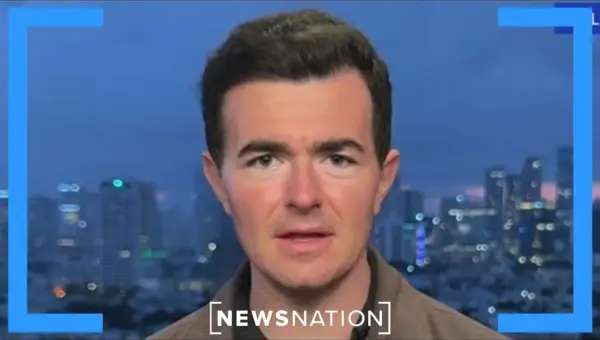
Iran Halts Attacks as US, Israel Seek Iran Deal
Iran has halted aerial attacks following a U.S. decision to suspend its own strikes for two weeks, brokered by Pakistan. While Israel supports the move, the ceasefire excludes Lebanon. The U.S. aims for a long-term peace deal and to keep the Strait of Hormuz open.