Players Hurt Themselves? NBA’s 65-Game Rule Debate Heats Up
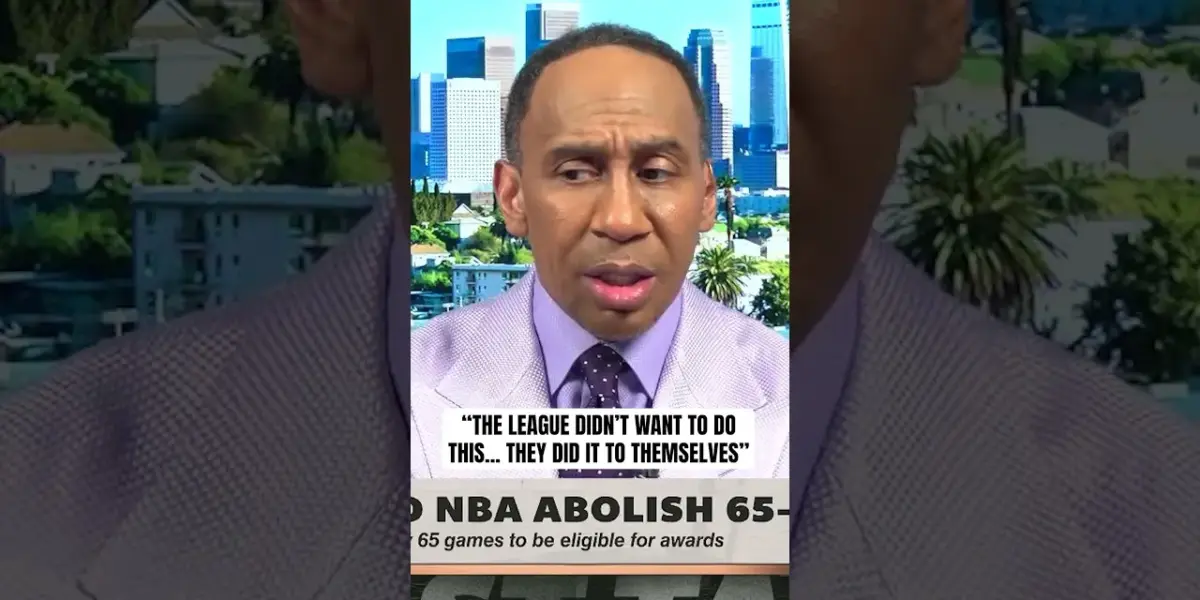
The NBA's new 65-game rule for awards is sparking debate, with some arguing that players' past choices like load management led to the stricter policy. Cade Cunningham's standout season highlights the issue, as his availability is now crucial for award consideration. The league's need to satisfy fans and sponsors is seen as a driving force behind the change.

Cunningham Shines, But NBA’s 65-Game Rule Sparks Player Blame
The NBA’s new 65-game minimum rule for awards is causing a stir, and some are pointing the finger directly at the players themselves. While stars like Cade Cunningham are putting up incredible numbers, their availability is now under a microscope. This rule change, aimed at ensuring top players are on the court for a significant portion of the season, has fans and analysts debating whether players’ past choices led to this stricter policy.
Cade Cunningham: An MVP Caliber Season
Cade Cunningham is having a season that screams “Most Valuable Player.” He’s been an absolute stud, showing he’s a star on the rise, heading towards superstardom. The Detroit Pistons’ young guard is special, no doubt about it. He’s clearly a player who deserves serious consideration for an All-NBA First Team nod. He was arguably an MVP candidate for much of the season, showcasing his talent night after night.
Injury or Not, Availability Matters
The conversation gets tricky when injuries come into play. Cunningham’s situation, dealing with a partially collapsed lung, is a legitimate injury. Nobody is questioning the validity of his health issues. However, the discussion around the 65-game rule brings up a broader point: players might have brought this stricter policy upon themselves. The league office didn’t wake up one day and decide to implement this rule out of the blue.
Load Management and Player Choices
Think back to the era of “load management.” Players were missing games, sometimes seemingly without serious injury. They were accused of abusing the system, taking nights off, and not playing when they could have. During those times, did the league office hear much from player representatives about the impact on the integrity of the game? The answer, according to some, is a resounding no. If players weren’t speaking up then, the argument goes, they shouldn’t complain now.
Lessons from All-Star Weekend
This situation isn’t entirely new for the league. Remember how NBA All-Star Weekend used to be? The league has made changes there too, partly because of player participation – or the lack of it. When players didn’t show enough enthusiasm, or seemed to be going through the motions, it affected the excitement. This, along with other factors, pushed the league to make adjustments. They had sponsors and advertisers to consider, but most importantly, they needed to keep their fan base engaged and watching.
Fans and Sponsors Demand Presence
The league office has a responsibility to its fans, its broadcast partners, and its corporate sponsors. These groups invest heavily in the NBA, and they expect to see the league’s biggest stars on the court. When players consistently miss games, especially for reasons that aren’t clearly season-ending injuries, it undermines the product. It makes it harder for fans to follow their favorite teams and players throughout the long season.
The Players’ Role in the Rule Change
The core argument is that the players’ past actions, particularly around load management and perceived lack of commitment to playing as many games as possible, created the environment for the 65-game rule. The league responded to a problem that, in part, was created by the players themselves. This perspective suggests that the current policy is a direct consequence of how players chose to manage their participation in previous seasons. It’s a tough pill to swallow, but the evidence suggests players played a role in shaping this new reality.
Looking Ahead: Availability is Key
Going forward, the 65-game rule will undoubtedly influence how players and teams approach the regular season. Players will need to be more mindful of their availability, especially if they are in contention for individual awards. While legitimate injuries will always be understood, the perception of players choosing to sit out unnecessarily will likely face even more scrutiny. The goal is to ensure that the players receiving accolades are the ones who consistently showed up for their teams and the league.
Source: Did the players bring the 65-game rule on themselves? 👀 (YouTube)

Related Articles

NBA Floats 3 Radical Plans to Kill Tanking
The NBA is considering three new proposals to combat intentional losing, or 'tanking,' by teams. These complex ideas aim to change the draft lottery system and incentivize winning, but experts question if they can truly solve the long-standing issue.


Cade’s Award Hopes Fade; UConn, LSU Headline Sweet 16
Cade Cunningham's MVP hopes dim as the NBA's 65-game rule might sideline him from awards due to injury. Meanwhile, the women's NCAA Tournament heats up with UConn and LSU leading the charge into the Sweet 16, featuring rematches and star power.

Clippers’ Comeback: From 6-21 to Contenders
Nicolas Batum details the LA Clippers' incredible turnaround from a 6-21 start to becoming contenders. He highlights the impact of trades, a mid-season reset, and Kawhi Leonard's dominant play as key factors in their remarkable season shift.