Pirro’s Outrage: Trump Case Dismissal Sparks Judicial Debate
Jeanine Pirro reacted strongly to a federal judge dismissing a case involving Jerome Powell, calling it the act of an "activist judge." However, the judge's credentials suggest a ruling based on legal grounds rather than political bias, sparking debate over judicial impartiality.

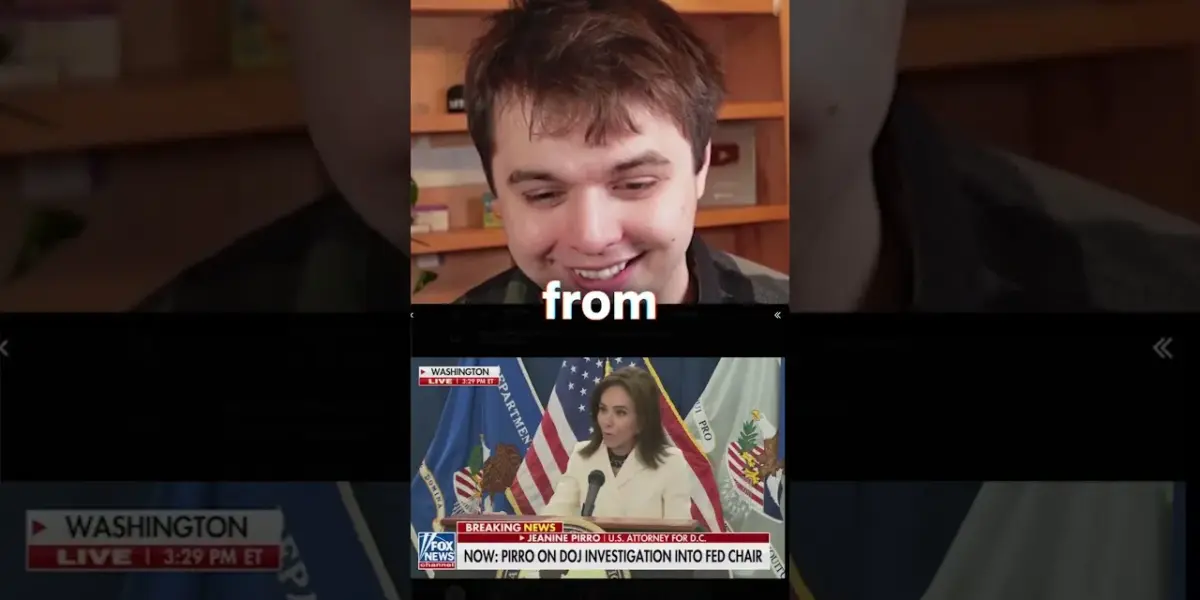
Pirro’s Outrage: Trump Case Dismissal Sparks Judicial Debate
The recent dismissal of a case involving former President Donald Trump, specifically concerning Federal Reserve Chair Jerome Powell, has ignited a fiery response from former prosecutor and US Attorney for the District of Columbia, Jeanine Pirro. Pirro, who was appointed to her position by Trump himself, expressed significant dismay over the federal judge’s decision, framing it as an obstruction of justice and an overreach by an “activist judge.” However, this narrative is met with a counter-argument that highlights the judge’s extensive qualifications and non-partisan background, suggesting the dismissal was a procedural, not political, act.
Pirro’s Accusations: A Judge’s Intervention
Following the federal judge’s decision to halt the proceedings, Jeanine Pirro voiced her strong opposition. “The process should have been allowed to run its course,” she stated, lamenting that the judge’s intervention prevented the grand jury from even considering evidence. Pirro characterized the judge’s actions as “inserting himself” into the legal system and “neutering the grand jury’s ability to investigate crime.” This perspective paints the judicial decision as a politically motivated act designed to shield individuals or impede legitimate investigations, particularly given the high-profile nature of the individuals involved and the broader political climate surrounding Trump and his associates.
The Counterpoint: A Judge’s Credentials
The characterization of the judge as an “activist” has been directly challenged by highlighting his judicial history and appointment. Judge James Boseberg, who presided over the case, was appointed by President George W. Bush in 2002 and unanimously confirmed by the US Senate in 2011 for a promotion. This background is presented as evidence that Boseberg is far from a political operative or a “liberal activist.” Instead, he is described as one of the most credentialed and experienced judges within the federal system. This perspective argues that the judge acted within his judicial authority, applying legal principles to the case rather than succumbing to political pressure or personal bias.
Historical Context and Prosecutorial Discretion
The debate also touches upon the broader themes of prosecutorial discretion and the role of the judiciary. Pirro’s own background as a prosecutor, and her assertion that she “prosecutes everything other than 10% of the cases where the United States attorney before me didn’t prosecute 67% of the cases,” hints at a perceived pattern of leniency or selective prosecution by her predecessors. This self-assessment, while unverified in the provided transcript, suggests a personal philosophy of aggressive prosecution. However, the judicial system is designed with checks and balances, including judicial review, to ensure that prosecutions are legally sound and that due process is followed. The judge’s decision, from this viewpoint, is an exercise of that judicial oversight, ensuring that the legal process is not abused or misapplied.
Why This Matters
This incident underscores a critical tension in the American legal and political landscape: the perception of judicial impartiality versus the reality of political influence. When high-profile cases are dismissed or proceed in ways that draw public attention, the integrity of the justice system is often called into question. For those who believe in the rule of law, the judge’s decision, if based on legal merit, should be accepted as part of a functioning democracy. Conversely, for those who feel that powerful individuals are being unfairly targeted or protected, any judicial action that appears to thwart an investigation can fuel suspicions of a “rigged” system. The differing reactions from Pirro and those who defend the judge highlight the deep partisan divides that can color interpretations of legal proceedings.
Implications and Future Outlook
The implications of such events extend beyond individual cases. They can shape public trust in institutions, influence future appointments, and potentially impact the willingness of individuals to engage in public service if they fear politically motivated legal battles. The future outlook suggests a continued scrutiny of judicial decisions, particularly those involving political figures. As the legal system grapples with an increasingly polarized environment, the importance of maintaining clear procedural standards and demonstrating judicial independence becomes paramount. The narrative surrounding cases like this will likely continue to be debated, with differing interpretations reflecting broader ideological viewpoints on justice, power, and accountability in the United States.
Conclusion
The exchange surrounding the dismissal of the case involving Jerome Powell, and Pirro’s reaction, serves as a microcosm of larger debates about the judiciary’s role. While Pirro expressed outrage at what she perceived as judicial overreach, the judge’s established credentials suggest a decision rooted in legal process rather than political activism. This divergence in interpretation highlights the challenge of maintaining a shared understanding of justice in a politically charged era.
Source: Jeanine Pirro LOSES IT After Trump Case Gets Shut Down (YouTube)

Related Articles
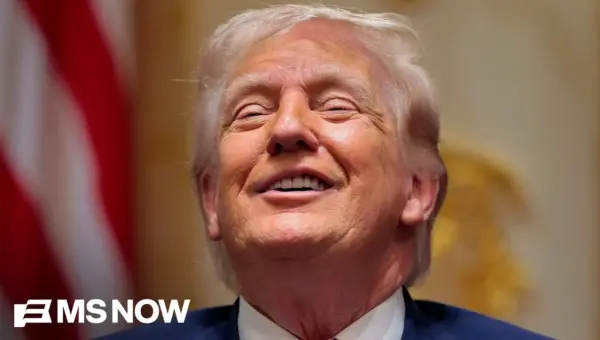
Trump’s Name Everywhere: A ‘Stain’ on GOP Legacy?
Former President Donald Trump's efforts to brand national symbols, including a proposed signature on dollar bills, spark debate. Critics view this as an authoritarian attempt to embed his legacy, potentially staining the Republican Party's history and contrasting with democratic ideals of public ownership.
Trump’s War Talk Stuns Financial Crowd
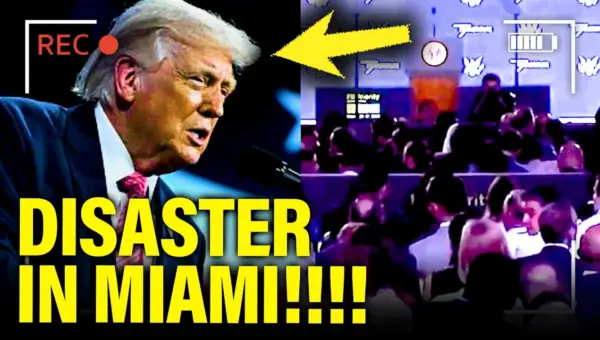
Donald Trump's recent speech in Miami focused on his foreign policy, particularly his critical views on NATO and his vision for international relations. He declared the U.S. would no longer defend NATO allies, questioned the value of existing alliances, and suggested renaming the Strait of Hormuz. The speech also touched on his personal views of success, his allies, and his perceived role as a global peacemaker.
Trump’s Warpath: New Threats Signal Imperial Ambitions
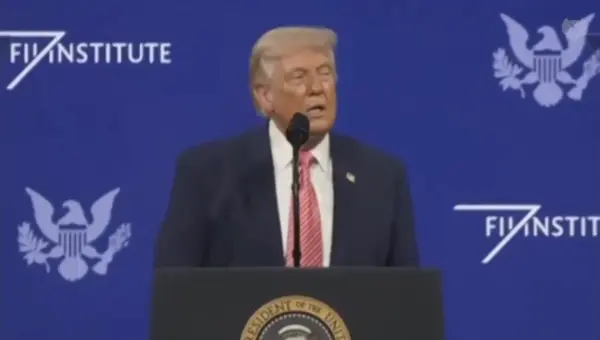
Recent statements from Donald Trump reveal a potential embrace of increased military action and interventionist foreign policy. This approach, characterized by critics as "imperialism 2.0," contrasts with his past promises of peace and has even drawn criticism from parts of his own base. The implications for U.S. global engagement and domestic priorities are significant.