Pilot’s Bravery Hailed in Daring Iran Airman Rescue
A daring U.S. military rescue deep inside Iran has highlighted the bravery of American airmen and special operations forces. Retired Lt. Col. Amy McGrath praised the complex mission and the airman's actions while criticizing President Trump's threatening rhetoric towards Iran.

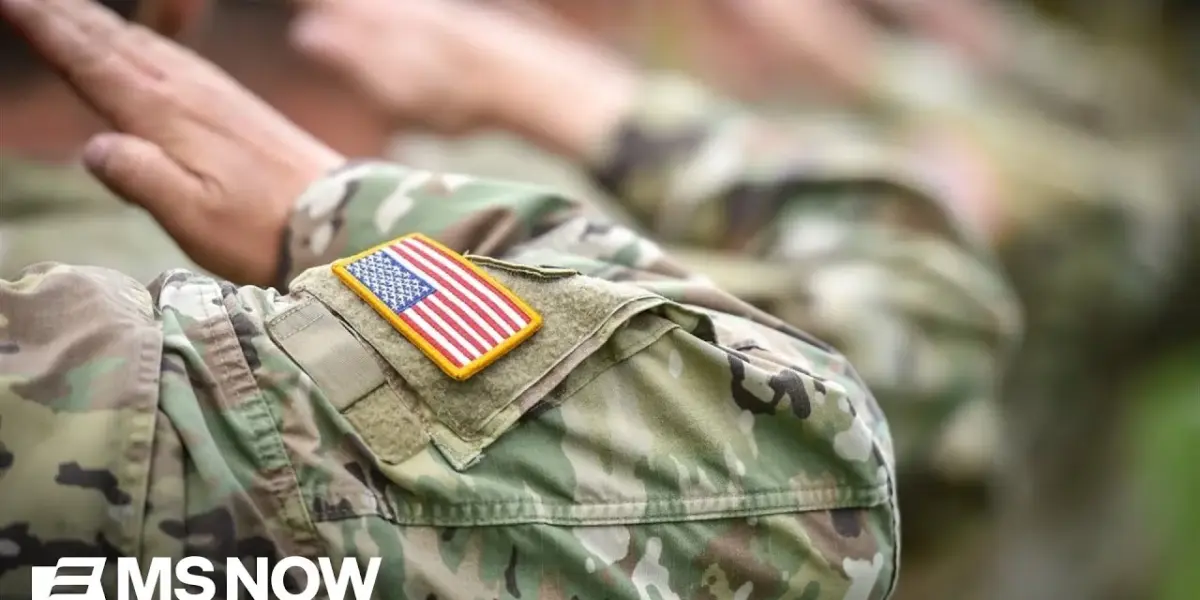
Pilot’s Bravery Hailed in Daring Iran Airman Rescue
A daring rescue mission deep within Iran has drawn praise for the bravery of U.S. military personnel involved. A U.S. airman, shot down Friday in a mountainous region, was successfully recovered after an extensive operation. Retired Marine Corps Lieutenant Colonel and Senate candidate Amy McGrath lauded the skill and courage displayed by the airman and the rescue teams, calling it one of the most complex missions she has ever encountered.
Remarkable Rescue Operation
The rescue operation, which reportedly took nearly 48 hours, unfolded in challenging terrain. McGrath emphasized the extreme danger and complexity of the mission, noting its location far behind enemy lines. “This is way behind enemy lines, very far into Iran,” she stated. The successful recovery highlights the U.S. military’s commitment to its ethos of never leaving anyone behind.
Airman’s Heroic Actions
Details emerging about the rescued airman’s actions have further underscored the bravery involved. Reports indicate the injured airman climbed an estimated 7,000 feet up a mountain to aid his extraction. McGrath described this feat as remarkable, especially considering the circumstances. “Clearly this pilot knew exactly what to do, even while injured. And that’s remarkable. Remarkable,” she said, expressing awe at the imagined scenario unfolding in the dark.
Criticism of Presidential Rhetoric
Amidst the successful rescue, President Trump issued a strong statement threatening to bomb Iranian power plants if the Strait of Hormuz was not opened. McGrath, a former combat pilot, criticized this rhetoric, describing the president’s approach as erratic. “Unfortunately, our political leadership in this country at the Commander-in-Chief level, is all over the map,” she observed.
Conflicting Messages and Strategy
The president’s threats of targeting civilian infrastructure were juxtaposed with the military’s efforts. McGrath pointed out the inconsistency, noting that the justification for military action in Iran has shifted multiple times, from regime change to nuclear capabilities, and now to the Strait of Hormuz. “So we’re sort of all over the map here,” she commented. She also expressed concern over the use of profanity and religious terms by political leaders regarding military action, calling the situation “unhinged.”
Strategic Concerns and Military Law
McGrath elaborated on the strategic implications and the legal framework governing the use of military force. She stressed the importance of a clearly defined and winnable political objective before deploying troops. “The use of military force has to be part of a larger political objective, and that political objective has to be clearly defined and winnable,” she explained.
Asymmetric Warfare and Unclear Objectives
Discussing the potential deployment of ground forces, McGrath highlighted Iran’s strength in asymmetric warfare, such as small boats and mines, which could effectively disrupt the Strait of Hormuz. She questioned how ground troops would achieve the objective of opening the strait. “So all of this, by the way, people who are national security experts know and knew before this was started,” she stated, suggesting that warnings may have been ignored by leadership.
Economic and Diplomatic Missteps
Furthermore, McGrath raised concerns about broader strategic and economic decisions. She noted the lifting of sanctions on Russia, a country allegedly providing intelligence to adversaries, and allowing Iran to sell oil at inflated prices. “So we’re allowing Iran to profit because our leaders didn’t think this through,” she concluded, emphasizing the lack of clear strategic thinking.
Looking Ahead
The successful rescue mission underscores the exceptional capabilities of U.S. special operations and combat search and rescue forces. However, the surrounding political rhetoric and strategic ambiguity raise significant questions about the path forward in U.S.-Iran relations. Future developments will likely focus on whether a coherent political objective can be established and communicated, and how diplomatic and military strategies will align to address the ongoing tensions.
Source: ‘This pilot knew exactly what to do’: Fmr. Marine Corps pilot hails bravery of rescued U.S. airman (YouTube)

Related Articles
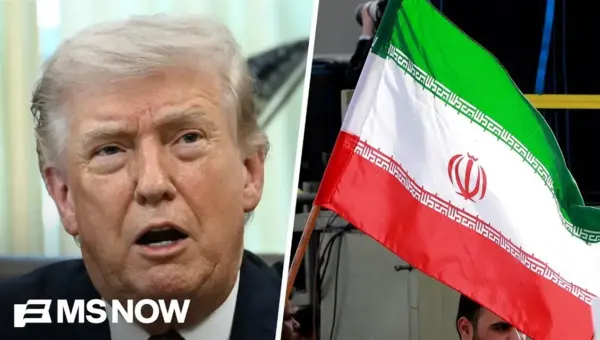
Dem Lawmaker: Trump ‘Clueless’ on Iran’s War Capability
A top Democrat on the House Armed Services Committee criticized President Trump's approach to Iran, calling his rhetoric "clueless" and damaging to U.S. alliances. Congressman Adam Smith argued that military might alone cannot achieve strategic goals and that escalation only empowers hardliners.

Iran Unleashes Missile Barrage, Escalating Middle East Conflict
Iran has launched a significant ballistic missile attack on Israel, breaching air defenses and causing casualties. The conflict is escalating with U.S. responses and failed diplomatic efforts, signaling a potentially prolonged period of military engagement.
US Rescues Fighter Pilot Deep Inside Iran
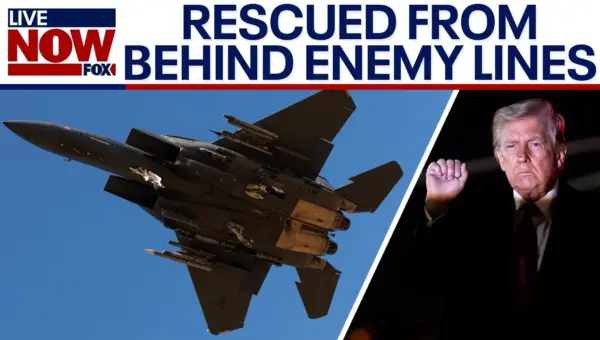
The U.S. military successfully executed a daring rescue operation to recover a downed fighter pilot deep inside Iran. The mission involved elite Navy SEALs and a complex strategy, highlighting the military's commitment to saving its personnel in hostile territory.