Phones Get Weird: Why China Leads in Bold Designs
Tired of the same old smartphone designs? While US markets offer limited choices, manufacturers in China are pushing boundaries with phones featuring massive cameras and unique features. It’s time for more design diversity.


Bold Phones Are Back, But Not Everywhere
Remember when phones came in all sorts of wild shapes and sizes? While many of us have settled into the predictable slab of glass and metal, a growing sentiment suggests we’re missing out. The idea is simple: if you want a phone with a massive camera or a unique design, you should be able to buy it. Sadly, in many markets, especially the US, your options are limited to what the big players deem acceptable.
This isn’t just about aesthetics; it’s about choice and innovation. Companies in China are pushing the boundaries, offering devices that dare to be different. Think enormous camera bumps that look like they belong on a DSLR, or phones with truly unique features. These aren’t just concepts; they are real products available to consumers.
Why Aren’t We Seeing These Phones?
Apple, for instance, faces constant criticism for the camera bumps on its Pro iPhones. Yet, these bumps are tiny compared to what’s emerging from some Chinese manufacturers. It seems Apple is hesitant to embrace truly unconventional designs, likely fearing it would clash with their sleek, minimalist brand image. They’ll probably only adopt such features if they can integrate them without ruining the phone’s look.
Samsung presents a particularly interesting case. The company manufactures some of the most advanced camera sensors used by its Chinese rivals. However, Samsung’s own phone division doesn’t seem to be using its absolute best sensor technology in its own devices. It’s like the left hand isn’t talking to the right, with the phone makers seemingly opting for safer, more conventional components over their company’s cutting-edge camera tech.
The Rise of the ‘Weird’ Phone
The demand for unique phones isn’t a niche desire; it’s a fundamental right for consumers who want more than the status quo. The current trend towards homogenous designs leaves many feeling uninspired. These bold devices, often featuring advanced camera systems capable of incredible photography, offer a glimpse into what’s possible when manufacturers prioritize user choice and push technological limits.
The availability of these advanced camera components from suppliers like Samsung to Chinese manufacturers highlights a gap. While Samsung produces the powerful sensors, it’s companies like Xiaomi, Oppo, and Vivo that are willing to build entire phones around them, embracing the larger physical footprint required. This allows for larger sensors and more sophisticated optics, leading to significantly better photo quality, especially in challenging lighting conditions.
Who Should Care?
This trend should matter to anyone tired of the same old phone designs. Photography enthusiasts will undoubtedly be drawn to phones offering superior camera hardware. Developers and tech enthusiasts who appreciate bold engineering and unique form factors will also find these devices compelling. It’s a call for more diversity in the smartphone market, moving beyond incremental updates to truly exciting new possibilities.
The Future is Bold
While the US market might lag in offering these unconventional devices, the innovation happening elsewhere is undeniable. The willingness of some manufacturers to embrace ‘weird’ designs and cutting-edge camera tech is a positive sign. It suggests that the future of smartphones might not be as uniform as we currently expect, offering more choices for consumers who crave something different.
Specs & Key Features (General Trends)
- Massive Camera Modules: Significantly larger and more prominent camera arrays than typical flagship phones.
- Advanced Image Sensors: Utilization of large, high-resolution sensors for improved photography.
- Unique Form Factors: Exploration beyond the standard rectangular slab, though not detailed in the transcript.
- High-End Components: Use of top-tier camera sensors, often supplied by companies like Samsung.
The availability of these specialized phones is currently concentrated in Asian markets, with limited official distribution in North America or Europe. Pricing varies widely, but often reflects the advanced camera technology, with some models entering the premium or ultra-premium price brackets.
Source: We deserve weird phones #Vergecast (YouTube)

Related Articles


Giant Camera Phones: US Buyers Get the Short End
US consumers are missing out on smartphones featuring giant camera systems available elsewhere. Apple prioritizes design, while Samsung's own phones don't use its best camera sensors. China leads in these bold hardware experiments.

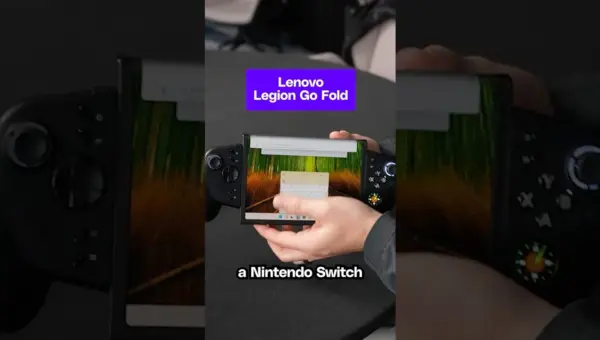
Lenovo Unfolds Gaming Handheld Dream: The Go Fold Concept
Lenovo unveils the Legion Go Fold concept, a Windows PC gaming handheld with a unique foldable PLED display that expands from 7.7 to 11.6 inches. The device promises to transform into a mini-laptop, offering unparalleled versatility for gamers and mobile users.

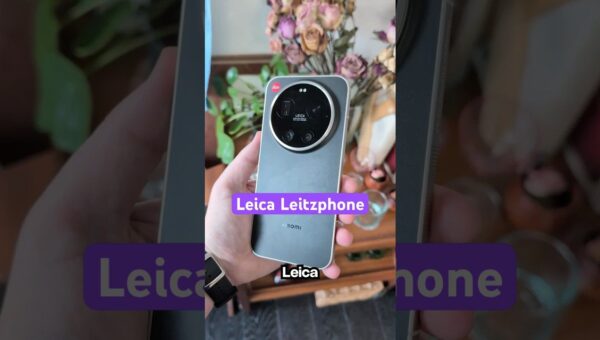
Leica’s Phone Finally Goes Global With Xiaomi Partnership
Leica's highly anticipated LeitzPhone is finally available globally, thanks to a partnership with Xiaomi. This limited edition device boasts a unique rotatable camera, Leica-tuned software, and impressive 200MP sensor.