Phone Cameras Get Smarter: One Lens, Many Zooms
Smartphone cameras are getting smarter with innovative designs like moving lenses and continuous zoom. Companies outside the U.S. are leading the way, packing better telephoto performance into sleeker phones. This means higher quality zoom shots and more compact designs for your pocket.


Smartphone cameras are getting cleverer, especially outside the U.S.
You know how sometimes you see a phone feature and think, “Wow, that’s smart”? Well, the latest trends in smartphone cameras, particularly in markets outside the United States, are full of these clever ideas. Companies are finding new ways to pack more zoom power into phones without making them bulky. It’s all about innovation, and it’s happening right now.
The Problem: Too Many Lenses, Not Enough Space
Think about your phone’s camera. To get different zoom levels, phones usually need separate lenses for wide shots, standard shots, and telephoto (zoom) shots. This means more camera bumps and more components inside. For a long time, manufacturers have been trying to fit two different telephoto lenses into phones. This would offer more zoom options, but it takes up valuable space. It’s like trying to pack for a trip with too many outfits – you run out of room fast.
The Solution: Moving Parts and Smart Engineering
This is where companies like Huawei and Xiaomi are showing us some truly interesting engineering. Last year, Huawei released the Pura 80 Ultra. What was special about its camera? It found a way to have two telephoto zoom capabilities using just one sensor. How? By using moving lenses. Imagine one larger camera sensor. Above it, two different telephoto lenses can slide in and out. This clever design lets them use a bigger, better telephoto sensor than if they had to fit two separate ones. It’s like having a multi-tool that cleverly rearranges its parts for different jobs.
Xiaomi’s Continuous Zoom Approach
Xiaomi is also exploring similar ideas with its Xiaomi 17 Ultra. They are using a technology called continuous zoom. This means one lens can actually zoom in and out smoothly, much like a traditional camera lens. This approach also helps them avoid needing two separate telephoto sensors. By simplifying the hardware, they can focus on making that single, more advanced sensor even better. This is a smart way to get similar results to having two telephotos, but with less hardware.
Why This Matters: Better Zoom, Smaller Phones
Why should you care about these moving lenses and continuous zoom? It means we can get much better telephoto zoom quality on our phones. By using one superior sensor instead of two average ones, companies can improve image quality, especially at high zoom levels. This also helps manufacturers keep our phones slim and light. Instead of a giant camera bump with many lenses, we might see more streamlined designs. These innovations are paving the way for even more advanced camera systems in the future, allowing for bigger and better sensors as the technology evolves.
Who Should Be Excited?
If you love taking photos with your smartphone, especially if you enjoy zooming in on distant subjects, these advancements are for you. Photographers who want more flexibility without carrying a bulky camera will appreciate these improvements. Tech enthusiasts who follow cutting-edge mobile technology will find these engineering feats fascinating. It shows that smartphone innovation is far from over, especially when it comes to the cameras we use every day.
Specs & Key Features
- Huawei Pura 80 Ultra: Features a unique camera system with moving lenses that share a single, larger telephoto sensor to offer dual telephoto capabilities.
- Xiaomi 17 Ultra: Utilizes continuous zoom technology with a single lens that provides variable zoom, reducing the need for multiple fixed telephoto sensors.
- Benefit: Both approaches aim to improve telephoto image quality and allow for more compact camera designs by optimizing sensor usage.
Looking Ahead
While these specific phones might not be readily available everywhere, the technology they showcase is a glimpse into the future of smartphone photography. We can expect to see more of these smart, space-saving camera solutions appearing in devices globally. It’s an exciting time for mobile imaging, and the competition is pushing the boundaries of what’s possible.
Source: Interesting phones outside the U.S #Vergecast (YouTube)

Related Articles


Giant Camera Phones: US Buyers Get the Short End
US consumers are missing out on smartphones featuring giant camera systems available elsewhere. Apple prioritizes design, while Samsung's own phones don't use its best camera sensors. China leads in these bold hardware experiments.

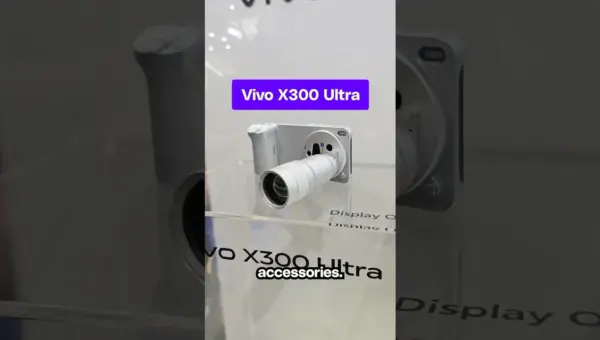
Vivo X300 Ultra: 200MP Camera & Insane Accessories Arrive
Vivo's upcoming 2026 flagship, the X300 Ultra, is set to redefine mobile photography with a 200MP camera and an astonishing 400mm telephoto extender. The device, launching internationally, also boasts a professional camera cage accessory.

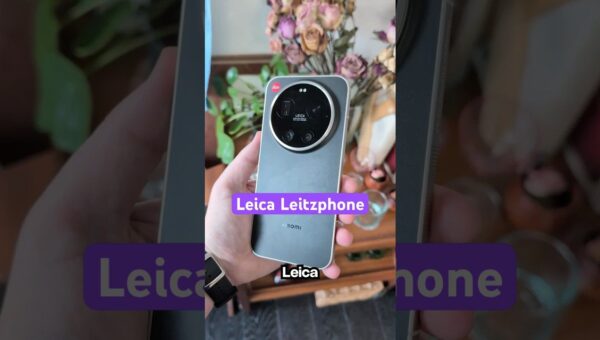
Leica’s Phone Finally Goes Global With Xiaomi Partnership
Leica's highly anticipated LeitzPhone is finally available globally, thanks to a partnership with Xiaomi. This limited edition device boasts a unique rotatable camera, Leica-tuned software, and impressive 200MP sensor.