Petraeus: US Military Achieves ‘Very Good Progress’ Against Iran
Former CIA Director David Petraeus reported significant U.S. military progress against Iran, citing successes in degrading military capabilities and hindering the nuclear program. He emphasized the complexity of the conflict and the ongoing challenges, including the potential for nuclear resurgence and the need for a clear endgame.

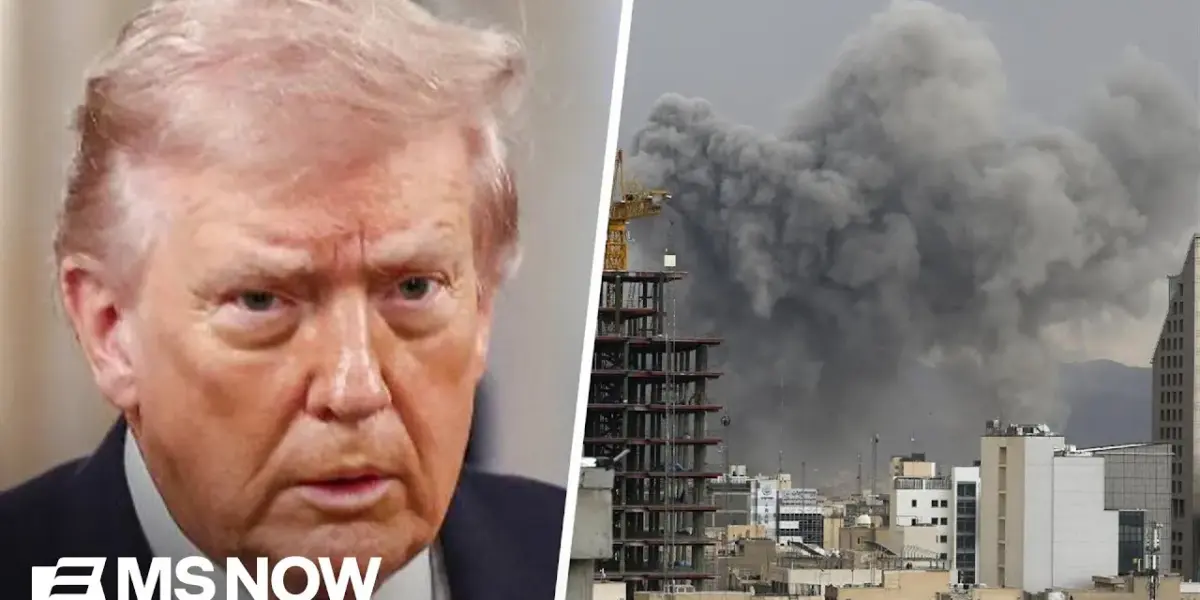
US Military Reports Significant Strides in Conflict with Iran
Former CIA Director and CENTCOM Commander David Petraeus has stated that the U.S. military is making “very, very good progress” in its ongoing conflict with Iran, citing substantial degradation of Iranian military capabilities and a significant setback for its nuclear program. Speaking in a recent interview, Petraeus, who possesses extensive experience leading troops in Iraq and Afghanistan, offered a detailed assessment of the military operations, countering a narrative that the conflict might be overly simplified.
Assessing the Progress on Key Objectives
Petraeus elaborated on the optimistic reports emerging from the Pentagon and the White House, acknowledging the complexity of modern warfare while confirming significant achievements. “There’s no question that we are achieving tremendous progress in taking down regime leaders, just degrading regime forces, reducing the number of missile launchers, missiles and even the manufacturing facilities. Same for drones,” he stated. He highlighted the successful targeting of Iran’s naval assets, with “well over a dozen of the Iranian ships have been sunk.” The former commander also pointed to the impact on Iran’s nuclear program, estimating that the recent operations have pushed it back “probably a couple of years.”
“There’s no question that we are achieving tremendous progress in taking down regime leaders, just degrading regime forces, reducing the number of missile launchers, missiles and even the manufacturing facilities.”
David Petraeus
Nuclear Program: A Persistent Threat
Despite the successes, Petraeus identified the potential for a resurgence of Iran’s nuclear ambitions. He referenced a recent International Atomic Energy Agency (IAEA) statement indicating a possible 60% enriched uranium stockpile beneath the heavily damaged Esfahan facility. “I suspect we’re going to revisit that and pile drive the massive ordnance penetrators into that to make sure that that does not survive,” Petraeus asserted, underscoring a continued focus on neutralizing any nuclear threat.
The Question of the End Game and Regime Change
The central question, according to Petraeus, remains how the conflict will ultimately conclude. He noted unconfirmed reports of Iranian feelers for negotiations, which have been denied by Iranian officials, who have maintained a tone of defiance. A critical factor in the endgame, Petraeus suggested, will be the character of Iran’s next Supreme Leader. He pointed out that the country’s significant natural resources and educated population have been mismanaged under hardline ideologues, leading to poverty and international isolation.
The possibility of regime change was also discussed, with Petraeus acknowledging reports of the CIA arming ethnic minority groups within Iran. He viewed supporting opposition forces as a potentially effective strategy, provided they have organizational structure and leadership. However, he cautioned that such opposition is not yet at a scale to challenge the regime’s estimated one million-strong armed forces, which have demonstrated a willingness to use brutality to suppress dissent.
Opposition Efforts and Leadership Vacuum
The lack of a clear, unified opposition leader was identified as a significant challenge. While acknowledging discussions with the son of the former Shah about his publicly available transition plan, Petraeus expressed skepticism about his ability to galvanize support on the ground in a manner comparable to historical figures like Ahmad Shah Massoud in Afghanistan. “I don’t see that probability right now,” he stated.
Avoiding a ‘Forever War’
Drawing on his experiences in Iraq and Afghanistan, Petraeus expressed confidence that the current U.S. administration is committed to avoiding a protracted conflict. “I think that it’s pretty obvious that the members of the administration have taken from Iraq and Afghanistan a recognition that getting into a war on the ground is not something advisable,” he explained. The preferred approach, he suggested, is to “help to arm, train, equip, enable others to do that if we can find them.” While not ruling out the possibility of limited U.S. ground presence for enabling opposition activities, Petraeus emphasized that the focus remains on degrading enemy capabilities.
Operational Freedom and Future Outlook
Petraeus concluded by emphasizing the increased operational freedom for U.S. and allied forces due to the substantial reduction in Iranian air and missile defenses. “We are making very, very good progress against those various target sets and that we are able now because of the very substantial reduction of air and missile defenses in in Iran, able to operate much more freely,” he noted. He praised the “professionalism, the expertise of the U.S. and Israeli air forces” as “nothing short of breathtaking.” The immediate future will likely involve continued assessments of achieved objectives and a focus on reopening freedom of navigation in the Persian Gulf, a critical artery for global energy markets.
Source: David Petraeus: U.S. military 'making very good progress' in war with Iran (YouTube)

Related Articles


Germany Faces Iran Dilemma: Law vs. Security Needs
Germany is confronting the limitations of international law in addressing Iran's persistent nuclear ambitions and regional provocations. The nation faces a dilemma balancing security interests with adherence to global legal norms, as existing frameworks prove insufficient against a regime that consistently challenges international agreements.

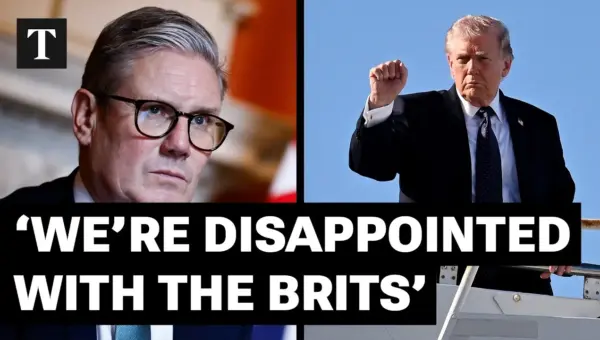
Trump Ally Downplays UK Spat, Says US-UK Ties Unshaken
A former Trump National Security Council official has downplayed recent tensions between the US and UK following military action in Iran, asserting that the "special relationship" remains strong. Fred Fle stated that while the UK's initial hesitation was disappointing, it would not undermine long-standing ties. He also addressed the rationale behind the Iran operation, focusing on the threat posed by Tehran's missile program and the desire to support the Iranian people's aspirations for freedom.

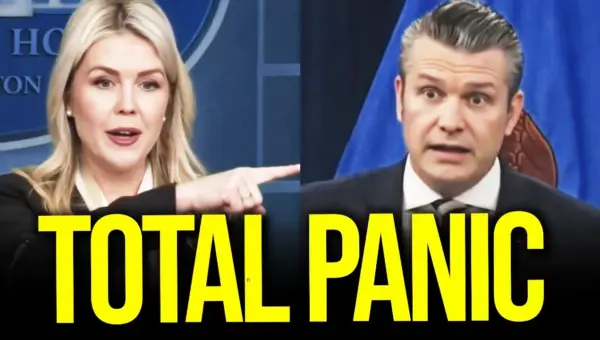
White House Defenses Crumble Amidst Conflicting Iran War Narratives
Conflicting narratives and evasive responses plague the Trump administration's defense of its actions in Iran. From aggressive rhetoric to accusations of 'fake news,' officials struggle to present a cohesive justification for the escalating conflict, raising serious questions about transparency and strategic planning.