Pet Cemetery Owner’s Death: Treasure Rumors and Betrayal
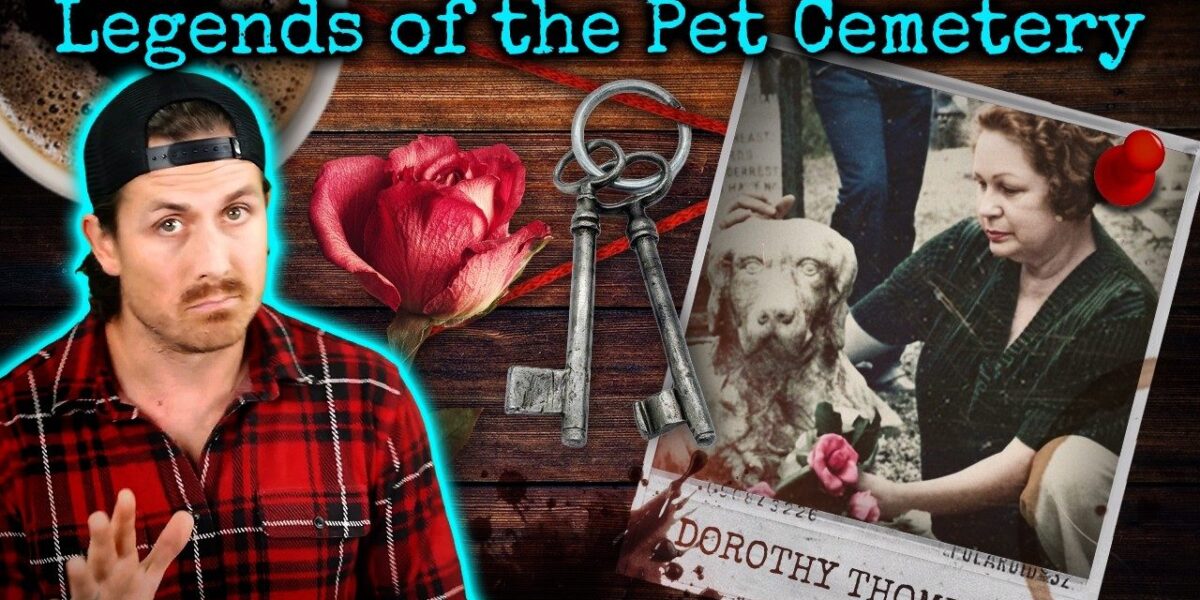
Dorothy Thompson, a reclusive pet cemetery owner in Louisiana, vanished under mysterious circumstances. An investigation into her disappearance uncovers a history of legal battles, local rumors, and ultimately, a brutal homicide linked to betrayal.

A Quiet Life Shattered in St. Bernard
In the small, close-knit community of St. Bernard, Louisiana, 60-year-old Dorothy Thompson lived a life shrouded in local lore and whispered gossip. Her unique profession as the owner of a pet cemetery, coupled with her solitary existence on the grounds where both her husbands had met untimely ends, painted her as a figure of morbid fascination. But beneath the surface of these sensationalized rumors lay a woman grappling with personal loss and physical ailments, seeking solace and a semblance of normalcy.
The Last Known Day
On April 13th, 1985, Dorothy, despite a painful hip, made her way to the local bank. Her deliberate gait was an attempt to avoid the town’s watchful eyes and wagging tongues. She withdrew cash to pay Kenny Pomeierre, a handyman she had hired just the day before, who was also serving as her driver. Later that afternoon, Kenny drove Dorothy home, the conversation light, a brief respite for Dorothy who had experienced a high turnover of handymen due to past issues with theft and dishonesty.
Her past handymen, Elen Childress and Brandon Nodier, had left a trail of trouble. Elen had been arrested for robbery, suggesting he was casing the property. Brandon and his wife Bonnie had even convinced a medicated Dorothy to sell them her land for a pittance, leading to a bitter legal dispute that still simmered. Dorothy, fiercely protective of the land that had belonged to her mother, refused to back down.
That evening, around 9:00 p.m., Dorothy settled in for the night. A call from her close friend and de facto caretaker, Patricia Newman, brought a moment of connection. They confirmed plans for Patricia to drive Dorothy to the pharmacy the next day. After hanging up, Dorothy lingered, enjoying a moment of quiet before a new sound intruded: a car slowly navigating her long, secluded driveway.
A Friend’s Growing Unease
The following afternoon, Patricia Newman arrived at Dorothy’s home, concerned after unanswered calls. The house was silent, locked, and devoid of any sign of life. After initial police officers conducted a cursory welfare check, deeming it not an immediate emergency, Patricia’s persistent worry led her to call the Sheriff’s Office again. Four days after Dorothy’s disappearance, detectives were finally prompted to conduct a thorough investigation.
The Investigation Unfolds
Detectives Brian Valongo and Terrence Strata arrived at the pet cemetery, a place that already held an unsettling aura. Patricia reiterated her concerns, emphasizing that Dorothy, frail and reliant on medication, would never have left her home voluntarily without a struggle. Inside the house, investigators found no signs of forced entry or disturbance, yet the scene was jarringly inconsistent with Dorothy’s meticulous nature: a half-finished glass of wine, the television still on, and her belongings untouched.
Valongo considered various theories, including Dorothy wandering off in a disoriented state, but the lack of any trace of her on the property or in the vicinity fueled suspicions of foul play. The investigation gained traction when Dorothy’s lawyer revealed the contentious lawsuit with Bonnie and Brandon Nodier, highlighting a potential motive tied to the property dispute.
A Grim Discovery and Unraveling Truths
Fifteen days after Dorothy’s disappearance, a grim discovery was made: a heavily decomposed body, weighted down with chains and a plastic bag over its head, was found in the Mississippi River. While Patricia Newman initially did not believe it was Dorothy due to the state of the remains, a small cross tattoo on the index finger confirmed the tragic reality. The autopsy revealed the cause of death was not drowning, but asphyxiation, confirming homicide.
As detectives delved deeper, the narrative shifted. The handyman, Kenny Pomeierre, had an alibi. The focus turned to those with a clear motive. The Nodiers remained persons of interest due to the lawsuit. Then, a new name emerged: Elen Childress, a former handyman arrested for writing bad checks. Childress had previously worked for Dorothy with the stated goal of finding rumored buried treasure on her property. While Childress had an alibi for the night of Dorothy’s disappearance, his obsession with the treasure and his past employment brought a new, albeit tangential, angle to the case.
A Web of Deception
The investigation uncovered a chilling detail: Elen Childress had mentioned that someone had befriended Dorothy specifically to inherit from her. This revelation, combined with the ongoing lawsuit and the underlying rumors of hidden wealth, painted a complex picture of betrayal and greed. The case, initially appearing as a simple missing person, had unraveled into a homicide investigation, leaving authorities to piece together the final moments of Dorothy Thompson’s life amidst a landscape of local legends and personal vendettas.
Justice and Lingering Questions
The full extent of the legal proceedings and the ultimate resolution for Dorothy Thompson’s murder remain subjects of ongoing investigation and public record. The case highlights the dangers that can lurk beneath the surface of seemingly quiet communities, where personal disputes, financial motives, and even long-standing rumors can converge with deadly consequences. The story of Dorothy Thompson serves as a somber reminder of the importance of thorough investigation, the complexities of human relationships, and the pursuit of justice for victims whose lives are tragically cut short.
Source: Louisiana buried treasure rumor turned DEADLY… (YouTube)

Related Articles


Silent Warnings: When Ordinary People Foresee Disaster
Explore the chilling accounts of ordinary individuals whose warnings about impending crimes were tragically ignored. From financial fraud to mass violence, these stories highlight the critical importance of heeding early signs.

Nursing Home Employee Accused of Murdering Resident
A nursing home employee in Maryland, Marquis James, has been arrested and charged with the murder of resident Robert Fuller Jr. Investigators allege James planned the killing for a month, using a disguise that was ultimately compromised by his distinctive gait recognized by coworkers.

Cryptic Note, Impossible Fall: The Unsolved Death of Rey Rivera
Rey Rivera's death is shrouded in mystery, marked by a cryptic note, an impossible fall from a building, and a police investigation that hit insurmountable obstacles. The case remains officially unsolved, leaving more questions than answers.