Pentagon’s Press Gag Order Overturned by Judge’s Ruling
A federal judge has ordered the Pentagon to grant full press access, ruling that a new policy restricting journalists was a violation of a prior court order. The New York Times sued the Department of Defense over an agreement requiring reporters to avoid seeking unauthorized information, which a judge previously deemed unconstitutional.

Pentagon’s Press Gag Order Overturned by Judge’s Ruling
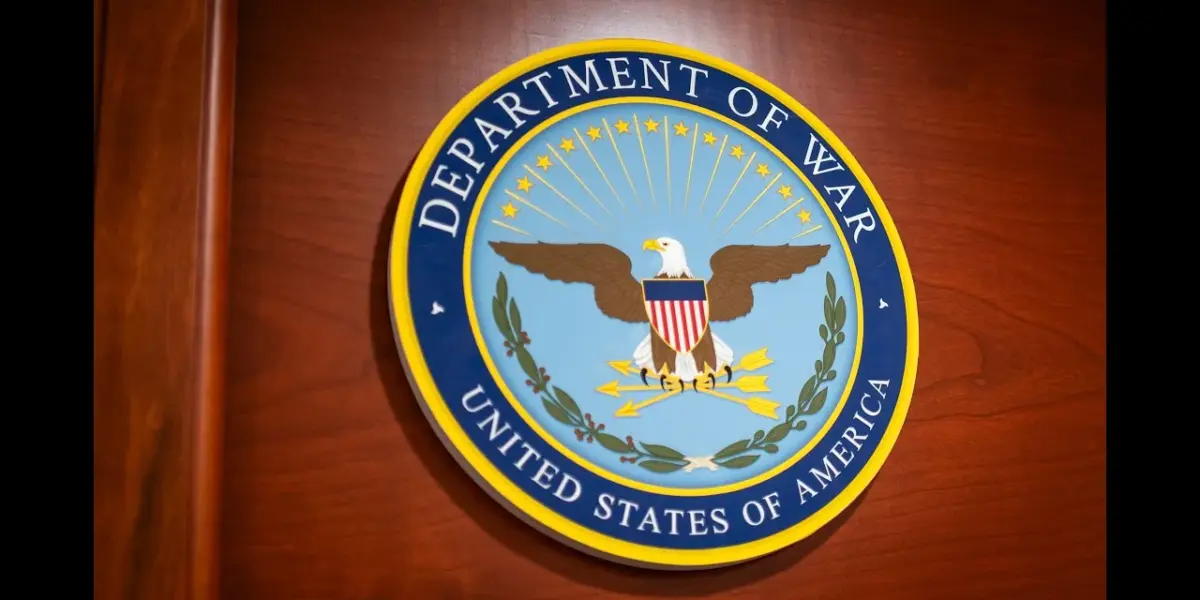
A federal judge has ordered the Pentagon to give reporters full access to the building again. This decision comes after the judge found that the Department of Defense, also known as the Pentagon, broke a previous court order. The situation started when The New York Times took the Department of War to court last year.
The main issue in the lawsuit was an agreement the Pentagon wanted reporters to sign. This agreement would stop journalists from looking for secret information from Pentagon employees. If reporters refused to sign, they would lose their press credentials, essentially their access badges. A judge ruled in favor of The New York Times last month. The judge called this requirement unconstitutional, meaning it went against the basic rights guaranteed by the U.S. Constitution.
A New Policy, A Familiar Fight
After the judge’s initial ruling, the Pentagon tried a different approach. They created a new policy that gave some reporters their press credentials back. However, this new policy still limited journalists. It stated that reporters could not enter the Pentagon without being accompanied by an escort. The government argued that this new policy did not violate the judge’s earlier order. They believed they were following the spirit of the law.
But The New York Times disagreed. The newspaper sued the Pentagon again, claiming the new access limits were just a way to get around the judge’s decision. They argued that the Pentagon was trying to find a loophole to control press access, even after being told they couldn’t. This legal back-and-forth highlights a continuing tension between government transparency and national security concerns.
Why This Matters
This case is important because it touches on the public’s right to know what their government is doing, especially concerning military and defense matters. A free press acts as a watchdog, holding powerful institutions accountable. When access to information is restricted, it becomes harder for journalists to report accurately on important issues. This can lead to a less informed public, which is dangerous for a democracy.
The Pentagon, like any government agency, has legitimate reasons to protect certain sensitive information. However, the judge’s ruling suggests that the Pentagon’s methods went too far in restricting general press access. The core of the issue is finding a balance. How can the government protect necessary secrets while still allowing journalists to do their jobs effectively?
Historical Context and Future Outlook
Throughout history, there have been many instances where governments have tried to control the flow of information. During wartime, for example, press access is often heavily managed to prevent the enemy from gaining an advantage. However, even in times of conflict, the role of the press in informing the public has been seen as vital. The Pentagon Papers case in the 1970s, where the government tried to stop The Washington Post and The New York Times from publishing a classified history of the Vietnam War, is a famous example of this struggle.
In that case, the Supreme Court ruled in favor of the newspapers, establishing a high bar for the government to prevent publication. This current Pentagon case echoes that historical fight for press freedom. The future outlook suggests that these kinds of legal battles over access and information will likely continue. As technology changes, so do the ways information can be controlled or revealed.
The trend is toward greater scrutiny of government actions, and courts are often called upon to decide where the line should be drawn. For now, the Pentagon must provide the press with the access they were previously denied. This ruling is a victory for transparency and a reminder that the public’s right to information is a cornerstone of American society.
Source: Judge Orders Pentagon to Grant Full Press Access (YouTube)

Related Articles

Trump’s Inner Circle: Fear of Firing Grips Pentagon
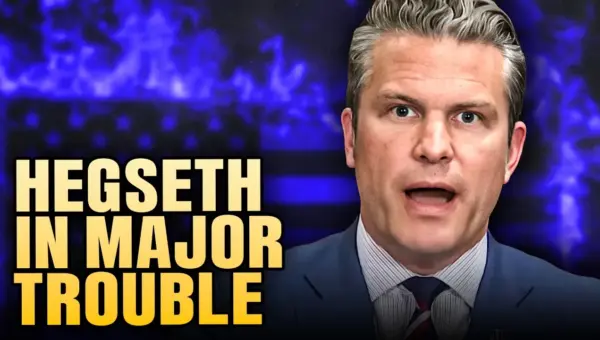
Pentagon officials are reportedly living in fear of being fired by President Trump, with Pete Hegseth allegedly at the top of the list. His recent public performance and lack of results are seen as key factors in his precarious position.
Iran Turns Strait of Hormuz Into ‘Toll Booth,’ Ex-Pentagon Official Warns
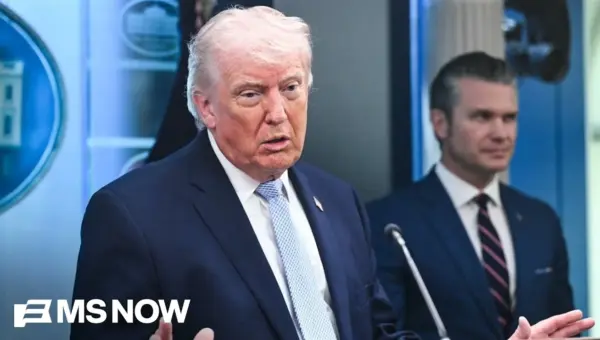
A former Pentagon spokesperson warns that Iran has turned the Strait of Hormuz into a 'toll booth,' significantly increasing its leverage. Shipping has dwindled, and fears of disruption persist. The situation also raises concerns about eroding U.S. deterrence and weakening NATO unity.

General Refuses to Yield Amidst Pentagon Power Play
Defense Secretary Pete Hegsath has dismissed top Army leaders, including General Randy George, amidst escalating tensions with Iran. These firings, coupled with disputes over promotions and allegations of bias, reveal deep divisions within the Pentagon. Public confidence in the conflict is also waning, raising questions about the stability of US military leadership.