Pentagon’s Pope Threat Sparks Outrage, Exposes US Moral Drift
A report details alleged Pentagon threats to a Pope Leo diplomat, sparking outrage. Officials reportedly invoked historical papal subjugation, leading the Vatican to reconsider U.S. engagements. This incident raises concerns about U.S. foreign policy and its commitment to dialogue.

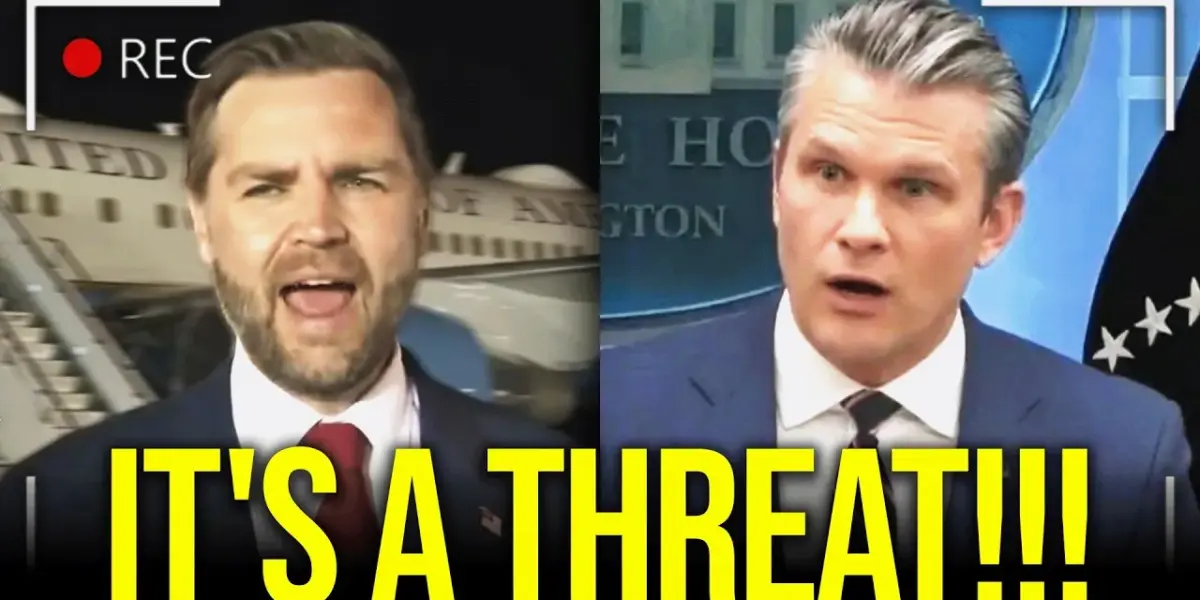
Pentagon’s Pope Threat Sparks Outrage, Exposes US Moral Drift
A recent report claims the Pentagon summoned a top American diplomat representing Pope Leo and issued direct threats. This happened after Pope Leo, who was born in the U.S., gave a speech in January. In his address, he spoke out against a world where power, not peace, guides actions. The U.S. administration and Pentagon officials reportedly took serious offense to his words.
A Diplomat Summoned, A Threat Delivered
The report, published by The Free Press, states that Elbridge Colby, a Pentagon official, met with Cardinal Kristoff Pierre. Cardinal Pierre serves as Pope Leo’s ambassador to the United States. During this meeting, Colby allegedly told the Cardinal that America has immense military power and can do whatever it wants globally. He then suggested the Catholic Church should side with the U.S.
Colby and his colleagues told the cardinal that America has the military power to do whatever it wants in the world. The Catholic Church had better take its side.
As tensions rose, one U.S. official reportedly invoked the Avignon Papacy. This was a period in the 14th century when the French monarchy used force to control the Pope. The implication was clear: the U.S. could similarly exert its will over the Holy See. This historical parallel, meant as a warning, has sent shockwaves through the Catholic Church.
Pope Leo’s Call for Peace
Pope Leo’s January speech, which seems to have triggered this strong reaction, focused on a world moving away from dialogue. He stated, “A diplomacy that promotes dialogue and seeks consensus among all parties is being replaced by a diplomacy based on force.” He also noted that “war is back in vogue and a zeal for war is spreading.” The Pope argued that the principles established after World War II, which protected national borders, were being undermined.
He further explained that peace is no longer seen as a good in itself. Instead, it’s pursued through military might to assert dominance. This approach, Pope Leo warned, gravely threatens the rule of law, which is essential for peaceful coexistence. The Pope’s message was a clear plea for diplomacy over conflict and a return to established international norms.
Reactions and Repercussions
The report of the Pentagon’s actions has drawn sharp criticism. Many within the Vatican viewed the reference to the Avignon Papacy as a direct threat of military force against the Holy See. This alarm led Pope Leo to shelve plans for a visit to the United States, which was originally scheduled for later this year. Vatican officials reportedly reconsidered major diplomatic engagements with the U.S. due to these escalating tensions.
Senator JD Vance was asked about the report. He stated he hadn’t seen the story and expressed a desire to speak with Cardinal Pierre and Pentagon officials to understand what truly happened. Vance emphasized that it’s unwise to offer opinions on unconfirmed reports. However, some critics accused Vance of trying to downplay the situation and feigning ignorance about Cardinal Pierre, questioning his sincerity.
Why This Matters
This incident highlights a concerning trend in international relations. It suggests a willingness by powerful nations to use intimidation tactics against religious leaders and institutions that voice concerns about military action. The alleged threat from the Pentagon to the Pope’s representative raises serious questions about the U.S.’s commitment to diplomatic dialogue and respect for international principles.
The U.S. position, as described in the report, appears to prioritize military strength over moral considerations. This approach risks alienating allies and undermining the very values the U.S. claims to uphold on the world stage. The incident also brings into focus the broader issue of escalating global conflicts and the erosion of peace-building efforts, as lamented by Pope Leo.
Historical Context and Future Outlook
The reference to the Avignon Papacy is particularly striking. This historical event serves as a stark reminder of past instances where secular powers attempted to dominate the Church. The U.S. officials invoking this period suggests a deliberate attempt to signal a willingness to use coercive measures. This echoes historical power struggles, but in a modern diplomatic context.
The U.S. has long played a role in international diplomacy, often advocating for democracy and human rights. However, actions like those described in this report could damage its reputation and moral authority. If powerful nations believe they can threaten religious leaders into silence or compliance, it signals a dangerous shift. The future outlook depends on how these allegations are addressed and whether a commitment to open dialogue and mutual respect can be restored.
The incident also raises questions about the moral compass of political leaders. Pope Leo’s call for peace and dialogue is a common-sense appeal. When political figures react with hostility or dismissiveness to such calls, it suggests a deep disconnect from ethical leadership. The world is watching to see if diplomacy will prevail over the politics of force.
Source: JD Vance SHOCKED at Pete Hegseth THREAT!!! (YouTube)

Related Articles
Iran Conflict Shifts Global Alliances, Reshapes World Order
A new analysis of the Iran conflict reveals significant geopolitical shifts, with the U.S. focusing on strategic goals like crippling Iran's missile program rather than regime change. The report highlights Saudi Arabia's role, questions media narratives, and details economic and alliance gains for the U.S. It also explores internal U.S. political divisions and the immigration debate.
Pentagon’s Press Ban Crumbles Under First Amendment Challenge
A federal judge has ruled against new Pentagon policies that restricted defense reporters' access, deeming them a violation of the First Amendment. The decision upholds the press's right to gather information, even during wartime, and pushes back against government attempts to control the narrative.
Trump Accused of War Crimes Amidst Failed Iran Talks
Former President Donald Trump faces accusations of war crimes following the collapse of talks with Iran. Legal experts argue his actions violated international law and ignored allies' calls for a ceasefire, raising serious questions about accountability.