Pentagon’s Media Blackout Fuels War Doubts
The U.S. government is facing criticism for its efforts to restrict press access to the Pentagon and hide information about the war in the Middle East. This lack of transparency raises serious concerns about the war's purpose and progress, and the potential for agencies like ICE to be used for political purposes.

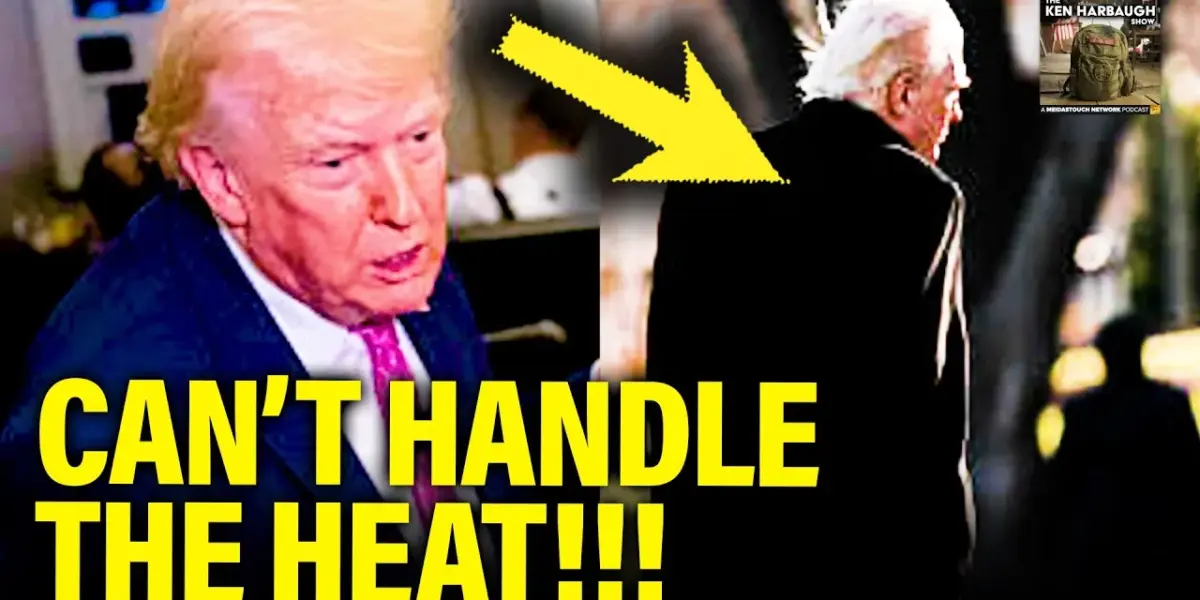
Pentagon’s Media Blackout Fuels War Doubts
The U.S. government is struggling to keep Americans informed about the ongoing war in the Middle East. Reports suggest a deliberate effort to hide basic information about the conflict. This lack of transparency is raising serious questions about the war’s purpose and progress.
Restricting the Press
Secretary of Defense Pete Hexath has been criticized for limiting access for the Pentagon press corps. Regular briefings have been stopped, and new rules make reporting difficult. Major news outlets have been pushed out, replaced by far-right websites and influencers. A federal judge even ruled these policies unconstitutional. However, just three days later, the Pentagon closed down the reporters’ workspace.
“Presidents lie. They always have. Just add this latest one from Donald Trump about non-existent concessions from Iran to the list.”
This action is unusual, especially when the country is at war. Deciding when and how to go to war are some of the most important decisions a government makes. Keeping the public in the dark about these decisions is deeply concerning.
War Progress and Troop Increases
One possible reason for the secrecy is that the current administration may not have a clear plan. Reports indicate the Pentagon is considering sending 10,000 more ground troops to the Middle East. This comes even as officials claim discussions are going well and a pause in conflict is being extended. If things are going so well, why the need for more troops?
The real worry is that the war is not going well. There’s no clear reason why the war started. Without clear goals, there’s also no clear plan to end it. This situation often happens when unqualified people are put in charge of major decisions.
Concerns About Leadership
Pete Hexath, the Secretary of Defense, is described as lacking seriousness and qualification, making him a dangerous choice for such critical decisions. His efforts to block media reporting suggest he is trying to hide problems at the Pentagon. This approach mirrors how Donald Trump reportedly ran his businesses, by bending or breaking rules and then finding new ways to operate when challenged.
Legal experts worry that if judges don’t enforce their orders, the Constitution loses its meaning. The idea of three branches of government working together breaks down when one branch ignores court rulings. This pattern of testing legal limits and waiting for the law to catch up is a concern for those who believe in the rule of law.
ICE and Regime Protection
The actions at the Pentagon are compared to what is happening with Immigration and Customs Enforcement (ICE). Some believe ICE is being used as a tool for regime protection, not just immigration enforcement. This is especially worrying given comments from Steve Bannon, a close Trump advisor. Bannon suggested that using ICE at airports could be a practice run for election day operations.
This raises fears that ICE could be used domestically to suppress voters or intimidate citizens. The goal, some suggest, is to create a domestic force that can be deployed anywhere, anytime. This would blur the lines between law enforcement and the military, creating a climate of fear.
The Civilian-Military Divide
By banning the press from the Pentagon, the administration aims to create a divide between the public and the military. This is a strategy that veterans have fought against for years. The idea is to portray the military as a separate ‘warrior class,’ distinct from ordinary Americans. This concept is sometimes linked to a misunderstanding of fictional works, where the dangers of a fascist regime are presented satirically.
Why This Matters
A free press is essential for a healthy democracy, especially when the nation is at war. The public has a right to know why their country is fighting, what the goals are, and how the war is progressing. When the government restricts information and defies court orders, it erodes trust and makes informed public debate impossible. The potential for using domestic agencies like ICE for political purposes, as suggested by Bannon’s comments, is a serious threat to democratic processes.
Implications and Future Outlook
The current administration’s approach to the press and transparency sets a dangerous precedent. If successful, it could lead to greater government control over information in future conflicts and domestic issues. The legal challenges to these policies are critical. They will determine whether the checks and balances of the U.S. government can hold up against deliberate attempts to undermine them. The upcoming elections are also a key point of concern, with suggestions that agencies like ICE could be weaponized for political gain.
Historical Context
Throughout history, governments have sometimes sought to control information during wartime. The Vietnam War, for example, saw significant public distrust fueled by a perceived gap between official statements and reality on the ground. However, the current situation is characterized by a more direct and seemingly intentional effort to block established news organizations and replace them with sympathetic outlets. This echoes concerns about authoritarian tendencies, where controlling the narrative is a key strategy to maintain power.
Source: Trump TERRIFIED of Press as WAR GOES SIDEWAYS (YouTube)

Related Articles


DOJ Declares Key Records Law Unconstitutional
The Justice Department has declared the Presidential Records Act unconstitutional, a law enacted after Watergate to preserve presidential communications. This decision raises concerns about government transparency and the potential destruction of public records. Critics argue it's a move to cover up past actions, especially in light of the ongoing controversy surrounding the Jeffrey Epstein files.


Lawmaker Warns DHS Funding Delay Is “Incredibly Risky”
A GOP lawmaker warns that delays in funding the Department of Homeland Security are "incredibly risky." The House and Senate are locked in a dispute over funding for ICE and CBP, with concerns rising over potential constitutional and operational impacts.

Trump Fires AG, Army Chief Ousted Amid Global Tensions
President Trump has fired Attorney General Pam Bondi, citing dissatisfaction with her performance. The shakeup follows the ousting of the Army's top general amid international tensions. Elsewhere, new footage emerges from Tiger Woods' DUI arrest, and a doctor testifies in his own defense in a Hawaii trial.