Pentagon’s ‘Holy War’ Rhetoric: Trump, Armageddon, and the Troops
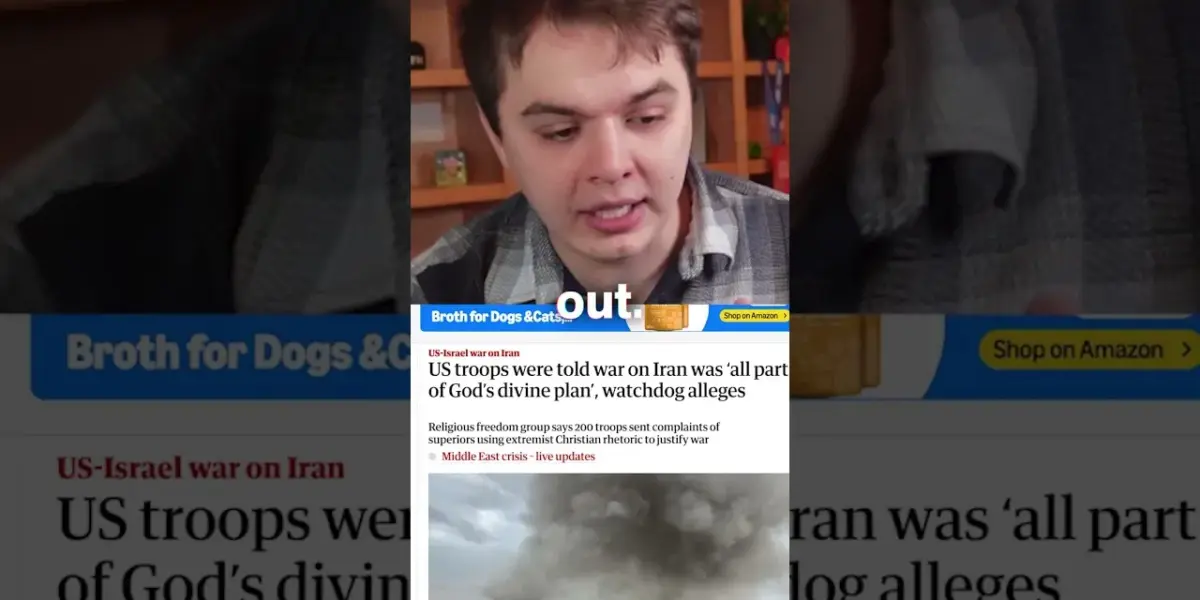
Allegations have surfaced of U.S. military commanders using religious prophecy and apocalyptic rhetoric, including references to President Trump and Armageddon, in combat readiness briefings. This has prompted numerous complaints from service members concerned about the militarization of religion within the ranks.

Pentagon’s ‘Holy War’ Rhetoric: Trump, Armageddon, and the Troops
A disturbing account has emerged from within the U.S. military, suggesting that rhetoric bordering on religious prophecy is being used in combat readiness briefings. A letter, sent anonymously to the Military Religious Freedom Foundation (MRFF), details a commander’s alarming pronouncements about the situation in Iran. This commander allegedly told troops not to fear the escalating tensions, asserting that the events were part of a divine plan, directly referencing the Book of Revelation and the concept of Armageddon. More astonishingly, the commander reportedly claimed that President Donald Trump had been ‘anointed by Jesus’ to initiate these events in Iran, thereby signaling Christ’s return to Earth. The account, described as delivered with a ‘big grin’ and ‘certainty,’ instilled a sense of dread in the service member who witnessed it.
Echoes of Extremism Within the Ranks?
What makes this report particularly chilling is the sheer volume of similar complaints. The MRFF revealed that they received approximately 200 similar reports from service members across the country. These complaints allege that commanders are employing biblical justifications and apocalyptic narratives to prepare troops for potential conflict and, disturbingly, to ‘hype everybody up and get them okay with the idea of death.’ This use of religiously charged rhetoric is particularly ironic, given the military’s stated objective of combating Islamic extremism, a movement often fueled by a belief in martyrdom and divine reward.
Historical Context: Religion and Warfare
The intersection of religion and warfare is a long and often fraught one. Throughout history, religious fervor has been invoked to legitimize conflict, inspire soldiers, and demonize enemies. From the Crusades to modern-day insurgencies, the language of divine mandate has been a powerful tool. However, within the context of a modern, secular military, the introduction of such overtly theological interpretations of geopolitical events by commanding officers raises serious questions about the separation of church and state, the potential for undue influence on personnel, and the professional integrity of military leadership.
The Military Religious Freedom Foundation’s Stance
The Military Religious Freedom Foundation, founded by Mikey Weinstein, has long been a vocal advocate for maintaining strict separation between religion and the U.S. military. The organization’s mission is to protect the religious freedom of all service members, ensuring that no one is coerced into participating in or endorsing religious activities against their will. This latest wave of complaints, if substantiated, represents a significant challenge to the MRFF’s efforts and highlights a potential erosion of established norms within the armed forces.
Implications and Future Outlook
The implications of these allegations are far-reaching. Firstly, it raises concerns about the mental and emotional well-being of service members who may be subjected to such ideologically charged briefings. The idea of war being framed as a divinely ordained event, especially when linked to specific political figures, could create profound moral and psychological distress. Secondly, it poses a risk of politicizing the military further, blurring the lines between patriotic duty and adherence to a particular religious or political interpretation. The use of apocalyptic rhetoric, which mirrors that of extremist groups the U.S. military claims to be fighting, is a particularly dangerous form of mirroring that could undermine the very principles the military seeks to uphold.
The trend, if it continues, could lead to a more fractured and ideologically divided military. It also presents a challenge to military leadership, which must ensure that operational readiness and troop morale are maintained through professional, secular means, rather than through potentially divisive religious appeals. The future outlook depends heavily on how these allegations are investigated and addressed by the Department of Defense. A thorough and transparent inquiry is crucial to understanding the scope of this issue and to reinforcing the principles of religious neutrality and professional conduct within the armed forces.
Why This Matters
This situation matters because it strikes at the heart of the U.S. military’s integrity and its commitment to serving all Americans, regardless of their religious beliefs. When commanders use religious prophecy and apocalyptic language to frame military actions, especially those involving potential conflict, they risk alienating service members, creating an environment of fear and coercion, and potentially mirroring the very extremist ideologies they are tasked with combating. The principle of civilian control of the military and the separation of church and state are foundational to American democracy. Allowing religious dogma to seep into military briefings, particularly those concerning life-and-death decisions in combat, undermines these principles and could have devastating consequences for both individual service members and the broader mission of the armed forces.
Source: Trump is Starting a Holy War in Iran #politics #fyp #new (YouTube)

Related Articles
Iran Conflict Backfires: Trump’s War Fuels Unrest, Profits
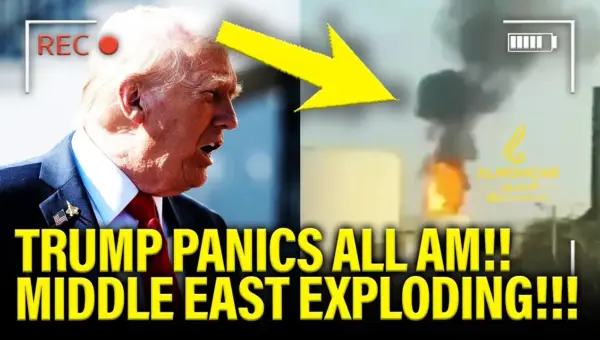
Donald Trump's approach to Iran is reportedly backfiring, fueling public unrest in Tehran and sparking accusations of family members seeking to profit from a new drone company. The conflict's economic impact is evident with disruptions to oil infrastructure, while political rhetoric focuses on internal divisions.
Draft Talk Ignites Outrage: Trump Family’s Lavish Lifestyles Clash with War Fears
As fears of a military draft rise amid escalating conflict, the Trump family's lavish lifestyles and business dealings have drawn sharp criticism, highlighting a stark disconnect and fueling public outrage over perceived inequity and profiteering.

Oil Price Shock: Trump’s War Gambit Fuels Red State Pain
As Middle Eastern conflict escalates, surging oil prices disproportionately impact red states, raising questions about Donald Trump's foreign policy and its domestic economic fallout. The analysis explores the 'short-term pain' narrative and its historical context.