Pentagon Weighs 10,000 Troops for Iran Showdown
The Pentagon is reportedly weighing a significant troop increase of 10,000 soldiers to the Middle East, potentially escalating tensions with Iran. This move comes amid reports of U.S. precision strikes and interceptions of Iranian missiles by allies, raising concerns about regional stability and global oil supplies.

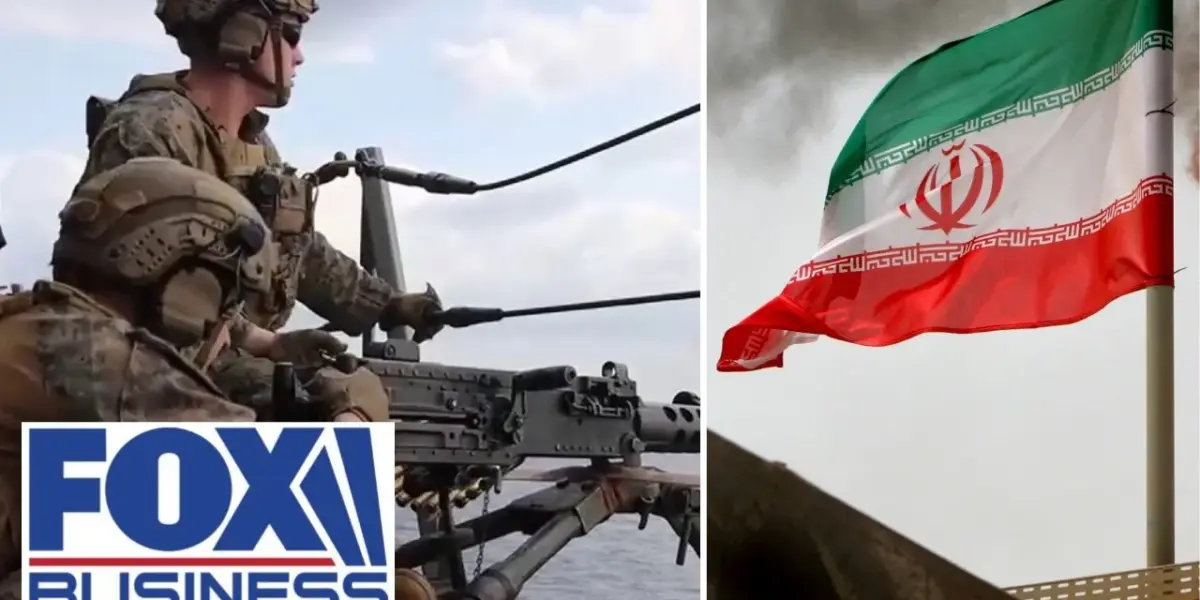
Pentagon Considers Major Troop Increase in Middle East Amid Tensions
The Pentagon is reportedly considering sending an additional 10,000 ground troops to the Middle East. This move could give President Trump more options in dealing with Iran. The Wall Street Journal reported this potential deployment, which has not been denied by the Pentagon. This news comes as tensions in the region continue to rise.
Escalating Regional Conflicts
Recent events highlight the growing instability. Axios sources suggest the troop increase could support a strategy to deliver a “final blow” to Iran. Meanwhile, U.S. forces have reportedly carried out precision strikes across Iran, according to new video released by CENTCOM. Israel has also confirmed widespread strikes in Tehran.
The situation is further complicated by reports from allied nations. Saudi Arabia claims it intercepted six missiles. The United Arab Emirates reports that 15 ballistic missiles from Iran were intercepted. Kuwait announced its main commercial port was attacked by hostile drones.
Expert Analysis on Troop Deployment
Retired Navy Vice Admiral Robert Harwood, former Deputy Commander of CENTCOM, offered insights into the potential troop movement. He noted that sending 10,000 troops doesn’t automatically mean a ground invasion. “It is possible, but there’s a lot of other news,” Harwood stated, referencing maritime interceptions and strategic positioning.
Harwood explained that troops could be used to secure vital waterways like the Strait of Hormuz or the Persian Gulf. This could help ensure oil supplies continue to move. “We could flood the region with all sorts of vessels to present a problem for the Iranians,” he said. This strategy aims to control the air and sea, limiting Iran’s ability to strike.
What About an Endless War?
Concerns have been raised about whether this troop increase signals a prolonged conflict, similar to Iraq or Afghanistan. Harwood pointed out that the U.S. has previously maintained a significant military presence in the region. “We’ve got 350,000 troops; we used to keep 50,000 in the region until the Obama administration,” he recalled. This historical context suggests that 10,000 troops might not necessarily indicate a large-scale land war.
Instead, Harwood believes the deployment offers options. It can send a strong signal to the Iranian regime and its people. It could also provide a strategic foothold in Iran if desired. “This is not anything unusual,” he stated, emphasizing the flexibility such a deployment offers.
Iran’s Missile Capabilities Questioned
Questions remain about Iran’s actual missile capabilities. While the President has stated that missile capabilities have been demolished, recent reports suggest the U.S. may have only confirmed disruption of about a third of Iran’s missile arsenal. A mid-range ballistic missile strike by Iran on Diego Garcia on March 20th, traveling a significant distance, has fueled concerns that Iran may still possess a substantial arsenal.
Admiral Harwood commented on the Iranian regime’s actions. “They are trying to hold on to power, so they will ration what they can keep going,” he explained. He also noted that allies in Europe understand the threat posed by Iran. “They know this, especially they know a missile could hit Europe, not just Diego Garcia,” Harwood said, highlighting the regional and global implications.
Market Impact and Investor Considerations
The increasing tensions in the Middle East have a direct impact on global markets, particularly concerning oil prices and supply chains. Investors often react nervously to geopolitical instability, leading to market volatility. The focus on securing the Strait of Hormuz, a critical chokepoint for oil transportation, underscores the economic stakes involved.
While the Pentagon’s decision on troop deployment is pending, the situation demands close observation. The potential for increased military action could lead to further disruptions. Investors should monitor developments in the region, especially regarding oil flow and any retaliatory actions by Iran. The long-term threat posed by Iran’s missile program also remains a key concern for regional stability and global security.
What Investors Should Know
- Geopolitical Risk Premium: Heightened tensions often increase the “risk premium” on oil, meaning prices could rise due to fear of supply disruptions, even if actual supply is not yet affected.
- Strait of Hormuz Importance: This narrow waterway is crucial for global oil transport. Any threat to its security can significantly impact energy markets worldwide.
- Defense Sector Watch: Increased military activity and geopolitical uncertainty can sometimes benefit defense contractors, as governments may increase spending on security.
- Market Volatility: Expect potential fluctuations in stock markets and commodity prices as news from the Middle East unfolds. Diversification remains key for managing risk.
Source: Pentagon reportedly weighs sending 10K more troops to Mid East (YouTube)

Related Articles

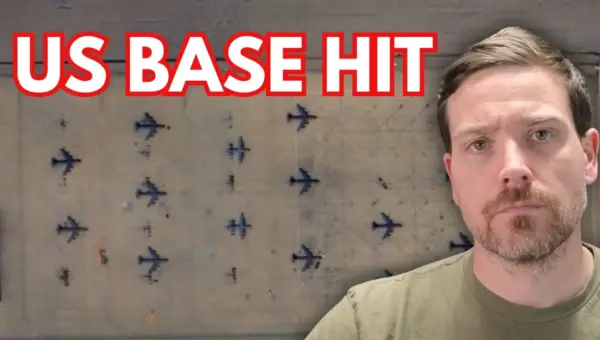
Iran Strikes US Base: Are We Learning from Mistakes?
A recent Iranian drone and missile attack wounded American service members and damaged aircraft in Saudi Arabia. This incident highlights concerns about military preparedness and the failure to learn from past mistakes, as exposed aircraft remain vulnerable targets. The ongoing conflict involves complex regional dynamics, including Iran's missile capabilities and the potential involvement of groups like the Houthis, raising questions about future stability.
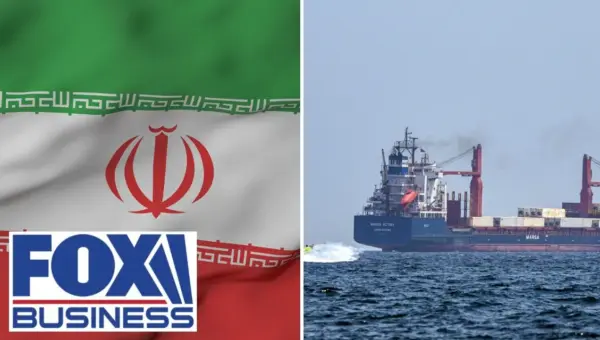
Iran Conflict Sparks Market Volatility, Experts Weigh In
Geopolitical tensions in the Middle East have rattled global markets, with stocks falling and safe-haven assets like the U.S. dollar strengthening. Experts suggest the market may have overreacted, creating potential buying opportunities, but warn of a "bumpy journey" ahead due to infrastructure damage and potential oil shortages. Concerns also linger about the Federal Reserve's independence amidst political commentary.
Iran War Sparks Nuclear Fears: Is a Global Arms Race Brewing?
The conflict in Iran has heightened global fears of nuclear proliferation and a potential arms race. Experts warn that Iran may pursue nuclear weapons if its current deterrence fails, while historical examples show the dangers of unchecked nuclear ambitions. The world faces uncertain scenarios, ranging from renewed diplomatic efforts to a dangerous escalation of nuclear threats.