Pentagon Seeks $200B Iran Aid; Farm Costs Soar
The Pentagon is reportedly seeking $200 billion for Iran defense, sparking debate over government spending. Meanwhile, American farmers face a 40% surge in fertilizer costs, adding economic pressure. Lawmakers also debate election integrity with the "Save America Act."

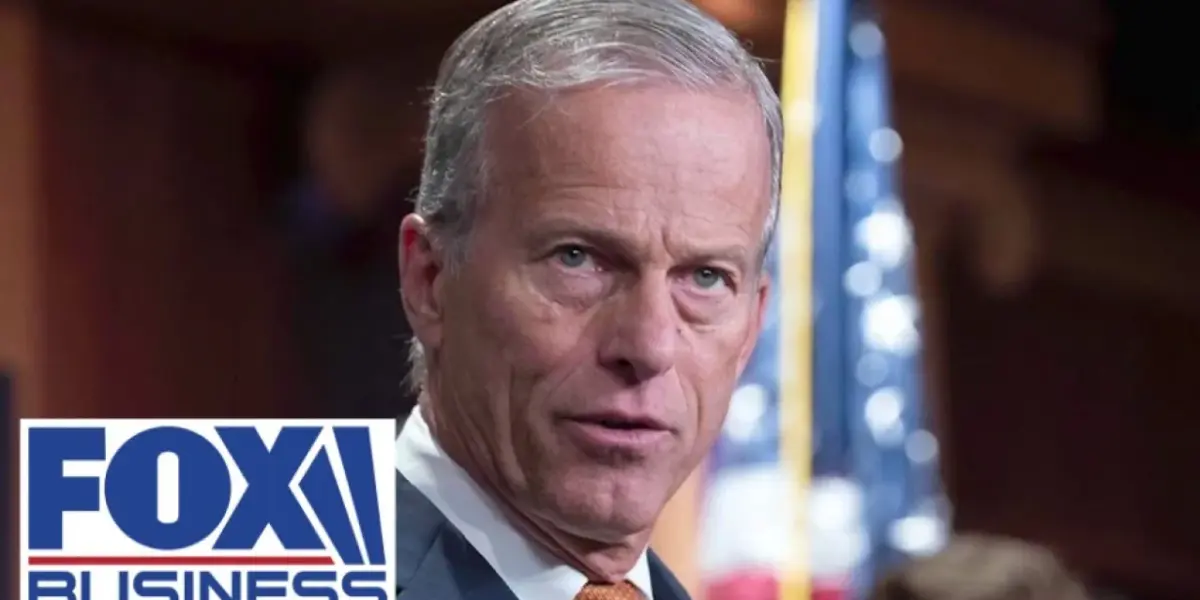
Pentagon Requests Massive Iran Defense Funding Amidst Rising Farm Costs
The Pentagon is reportedly seeking White House approval for a substantial $200 billion supplemental package for Iran defense. This figure dramatically increases previous estimates, which were around $50 billion. This massive request comes as lawmakers grapple with significant economic pressures, including soaring fertilizer costs impacting American farmers.
Senator Questions Pentagon Spending, Focuses on Farmer Relief
Senator Roger Marshall expressed strong reservations about the $200 billion defense supplemental, questioning the necessity and transparency of such a large expenditure. “I think they do need to come to D.C. and tell us what the money is going to be spent on,” Marshall stated, highlighting that the Pentagon already receives a trillion dollars annually. He suggested that significant waste might exist within the defense budget, particularly given that a few companies dominate a large portion of the industry.
Marshall emphasized the need for increased efficiency within the Pentagon rather than simply allocating more funds. He also pointed to the high cost of living as a primary concern for constituents. “I think we need to press the Pentagon to be more efficient,” he urged.
Farm Input Costs Surge, Threatening Agricultural Sector
The agricultural sector faces serious challenges due to rising input costs, with fertilizer prices being a major concern. Farmers are anticipating spending an additional $100,000 for fertilizer this season, representing a 40% increase from last year. Senator Marshall, a member of the Senate Agricultural Committee, noted that input costs have risen by 50% under the current administration.
He explained that fertilizer prices are closely tied to natural gas costs. While U.S. natural gas prices have seen a modest 10% increase, European prices have jumped by 50%. The conflict in Ukraine also impacts fertilizer availability and cost, as much of it travels through the region via sea routes. Marshall believes resolving the Ukraine issue could significantly help lower fertilizer prices.
On a more positive note, Marshall highlighted expected increases in corn and ethanol exports, projected to rise by 25% this year, attributing this growth to trade agreements. He also mentioned the upcoming implementation of 45Z tax credits, which will encourage the conversion of more corn into biofuels like jet fuel. A significant announcement regarding efforts to lower fertilizer costs is anticipated from Secretary Rollins within the next month.
“Save America Act” Faces Democratic Opposition
Meanwhile, Senator John Thune has issued an ultimatum to Democrats regarding the “Save America Act.” He threatened that Republicans would target Democrats in the upcoming midterms if they do not support the bill. The legislation, which focuses on election integrity, is currently being debated on the Senate floor and is expected to continue into the following week.
Senator Dave McCormick, a proponent of the bill, shared concerns about election security. He cited an instance in Pennsylvania where an individual, who had been living in the country illegally for 26 years, was arrested and charged with voting multiple times in national elections. “Every vote has to be legitimate and count,” McCormick stated, underscoring the importance of voter ID measures.
Senator Marshall echoed these sentiments, expressing hope that the bill, or a similar version, will reach the President’s desk. He questioned why ten Democrats are not supporting voter identification measures. “Look, we have 50 million noncitizens living in this country right now, and that’s why people are concerned about making their vote count,” he said.
The discussion also touched upon the requirements for voter identification. Marshall advocated for proof of citizenship to register and an ID to vote, including for mail-in ballots. “Trust but verify,” he concluded, stressing the need for secure and verifiable voting processes.
Market Impact
The proposed $200 billion defense supplemental package could signal increased government spending, potentially impacting inflation and national debt. Investors will monitor how this request progresses and its implications for the defense sector. The significant rise in fertilizer costs presents a direct challenge to the agricultural sector, potentially affecting crop yields and food prices. This could lead to increased costs for consumers and impact companies involved in food production and distribution. The debate around the “Save America Act” highlights ongoing political divisions and concerns about election integrity, which could influence investor sentiment, particularly around election cycles.
What Investors Should Know
Investors should pay close attention to developments in both defense spending and agricultural markets. Increased defense outlays might benefit defense contractors, while rising farm input costs could pressure agricultural companies and related industries. The political debate surrounding election reform could also create market volatility. Understanding these interconnected issues is crucial for navigating the current economic and political climate.
Source: ULTIMATUM: Thune threatens Dems to get ON BOARD or else (YouTube)

Related Articles

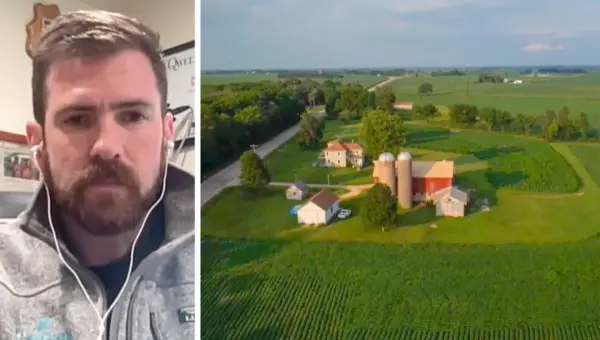
Farmers Need Innovation and Support Now
As planting season begins, American farmers face rising costs and global disruptions. An industry analyst calls for more innovation, investment, and policy support to ensure the future of family farms and food security for all.

Voter ID: Common Sense or Suppression?
A growing debate surrounds voter ID laws, with proponents calling them a common-sense measure against fraud and opponents fearing voter suppression. Many countries and U.S. states already require ID to vote.

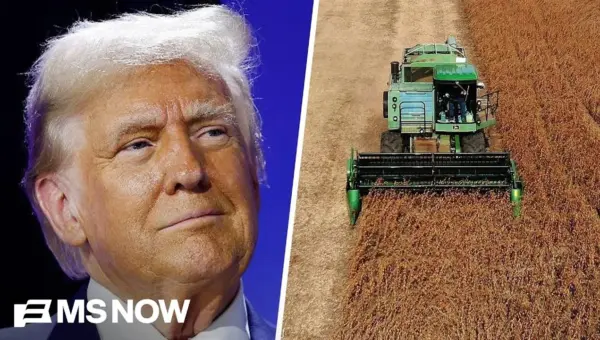
Farmers slam ‘out of touch’ administration policies
John Boyd Jr. of the National Black Farmers Association criticized the White House for being "out of touch" with struggling farmers. He highlighted rising costs for fertilizer and fuel, a lack of invitations to key events, and the urgent threat of farm foreclosures, calling the administration's proposed solutions inadequate.