Pentagon Seeks $200B for Iran War, Trump Eyes Island Takeover
The Pentagon is seeking an additional $200 billion for the ongoing conflict with Iran, a move drawing scrutiny from lawmakers. Meanwhile, President Trump is reportedly considering aggressive options, including the potential takeover of Iran's Kharg Island, to pressure Tehran into reopening the vital Strait of Hormuz. The conflict's impact is already being felt through rising global oil and gas prices.

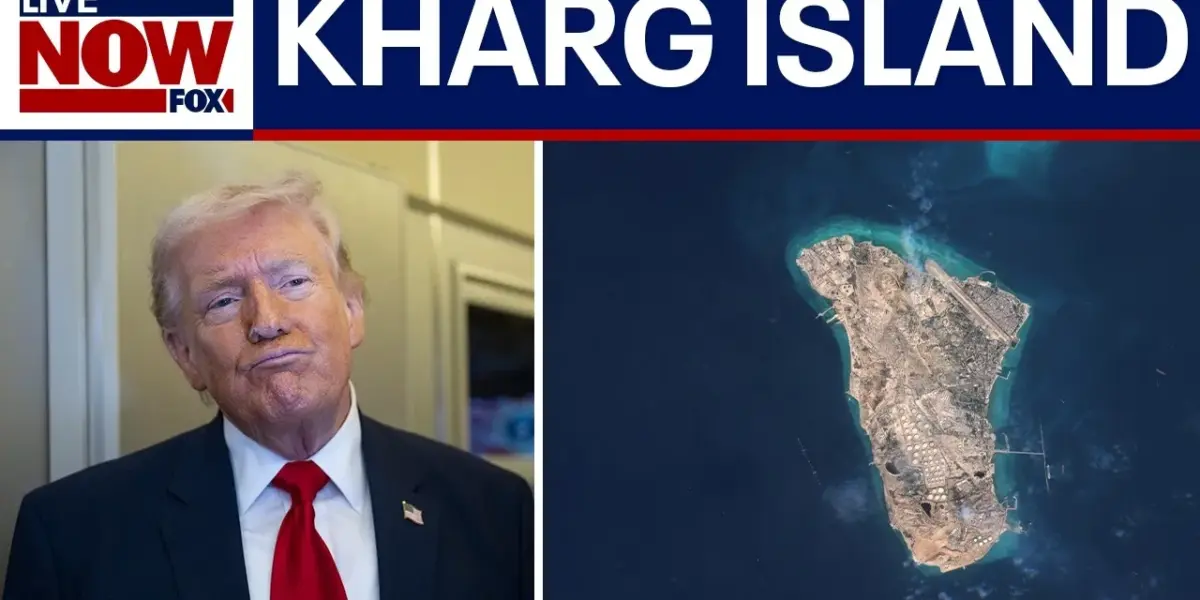
US Defense Department Requests Massive Funding Amidst Iran Conflict
The Pentagon is requesting an additional $200 billion for the ongoing conflict with Iran, a significant sum that has raised concerns among lawmakers. Defense Secretary Lloyd Austin confirmed the figure, noting that the amount could change. This request comes as the war, now in its 21st day, shows no clear end. The substantial funding is intended to replenish expended weapons and build up U.S. stockpiles for future readiness, according to Secretary Austin.
Cost of War Sparks Debate on Capitol Hill
The $200 billion request is drawing scrutiny from both Republicans and Democrats. While the Pentagon already spends a trillion dollars annually, this supplemental request is particularly eye-watering. Some Republicans have expressed skepticism, stating they will listen to Secretary Austin’s full justification. Publicly reported spending on the war has so far been far less than $200 billion, leading to questions about the potential duration of the conflict. Secretary Austin, however, emphasized that the funds are for long-term stockpile stability, not necessarily for a wider war.
Current Spending and Future Projections
Current reported spending on the conflict stands at around $12 billion. This figure covers expenditures on offensive weaponry, missile defense systems, and the deployment of ships and personnel to the region. While significant, it is a fraction of the proposed $200 billion. The debate on Capitol Hill will likely involve a vote on this funding package. Many Democrats may welcome the opportunity to formally object to the war’s cost, while some may hesitate to vote against funds for troops in harm’s way. Polling indicates that public support for the war is in the 30-40% range, with most Republicans supporting it while Democrats and independents largely oppose it. This political dynamic could influence lawmakers, especially with midterm elections approaching.
Strait of Hormuz Blockade Impacts Global Oil and Gas Prices
A major factor influencing the conflict’s impact is Iran’s actions in the Strait of Hormuz, a crucial waterway for global oil shipments. Iran’s tactics have effectively blocked the strait, disrupting supply and leading to increased gas prices for consumers. Filling up a car in the Washington D.C. area, for example, recently cost over $4 a gallon, a stark reminder of the war’s economic effects. The closure of the strait presents a significant challenge for President Trump, making it difficult to claim victory if oil flow remains restricted.
Potential Military Actions Under Consideration
The U.S. is conducting airstrikes on Iranian missile sites and naval assets around the Strait of Hormuz in an effort to reopen shipping lanes. However, negotiations with allies to send naval vessels to escort tankers through the strait have met with reluctance. This has led to discussions about more aggressive options, including the potential occupation of Iran’s Kharg Island. Kharg Island is vital as 90% of Iran’s crude oil exports pass through it, making it a key processing hub. Taking control of the island would provide significant leverage over Iran.
Kharg Island Occupation: A Risky Strategic Move
The idea of occupying Kharg Island is being considered as a way to pressure Iran into reopening the Strait of Hormuz and negotiating peace on U.S. terms. This would likely involve deploying Marines, placing troops in direct harm’s way. While a senior U.S. official suggested this move could give the U.S. immense leverage, it’s uncertain if Iran, viewing the conflict as existential, would back down. Taking the island would be an escalatory step. Meanwhile, ongoing airstrikes are aimed at weakening Iranian defenses, potentially paving the way for such an operation or for escorted ship convoys.
The Path Forward: Escalation or De-escalation?
The situation remains fluid, with the U.S. military’s target list reportedly growing daily. The conflict is far from over, and a key question is whether the situation will de-escalate, perhaps with the reopening of the Strait of Hormuz, allowing President Trump to seek an exit strategy. Alternatively, actions like taking Kharg Island could lead to further escalation. The coming days will be critical in determining the trajectory of the conflict and its far-reaching consequences.
Source: Trump mulls Kharg Island takeover to open Strait (YouTube)

Related Articles

Stocks Ignore War Risks, Focus on “Taco Moments”
Stock markets appear to be overlooking the severe supply chain risks stemming from the Iran conflict, focusing instead on potential diplomatic de-escalations. While the S&P 500 shows resilience, bond and commodity markets signal deep concern over disruptions to critical resources like LNG, helium, and fertilizers.

U.S. Iran Tensions Rise Amid Shifting Alliances
Rising tensions between the U.S. and Iran are creating a volatile geopolitical situation. With conflicting signals on de-escalation and potential shifts in alliances like NATO and U.S.-Israel relations, the path forward remains uncertain. The global economy and regional stability hang in the balance.

Trump Halts Iran Strikes Amid Stalled Diplomacy
President Trump announced a pause on planned strikes against Iran, citing productive talks, though Iran denies negotiations occurred. Reports also suggest a potential U.S. ground operation on Iran's Hark Island. The situation raises concerns about international support for Ukraine and potential shifts in U.S. foreign policy.