Pentagon Ramps Up Drone Production to Counter Adversaries
The Pentagon is prioritizing mass production of low-cost kamikaze drones, a strategic shift aimed at countering adversaries' cheaper munitions. This move leverages lessons from conflicts like Ukraine and signals a new era in modern warfare, emphasizing cost sustainability and American innovation in defense.

Pentagon Ramps Up Drone Production to Counter Adversaries
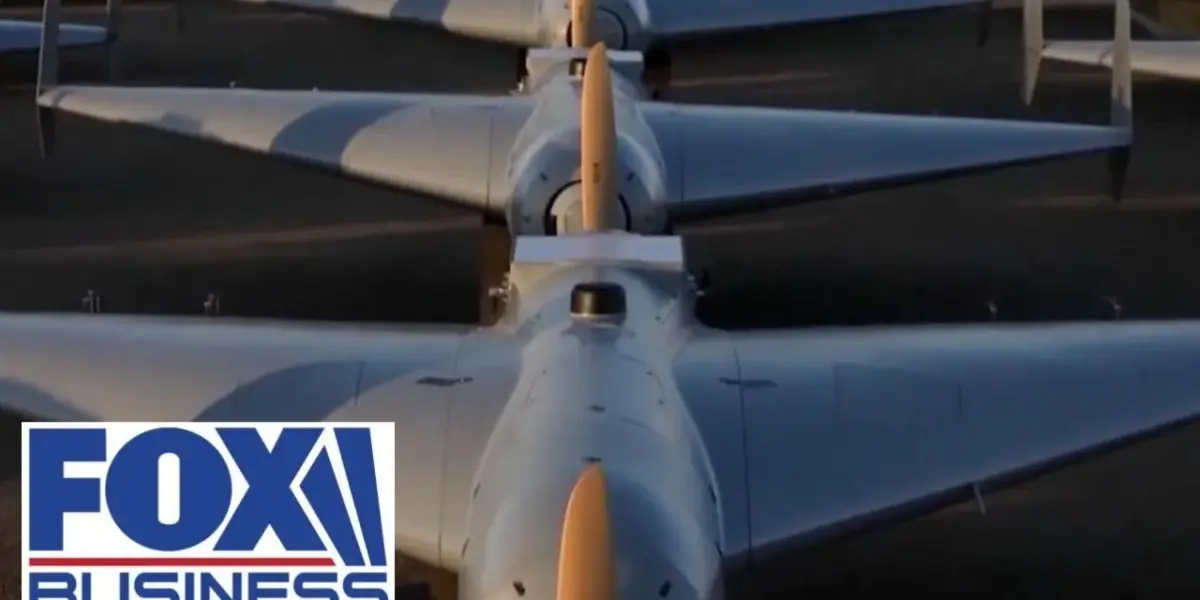
The U.S. Pentagon is shifting its strategy to mass-produce low-cost, kamikaze-style attack drones, a move experts say marks a significant evolution in modern warfare. This initiative aims to counter adversaries who are employing cheaper, more accessible munitions rather than expensive, high-tech aircraft.
A New Era of Warfare
The focus on mass production transforms a one-off strike weapon into a readily available tool for future conflicts. “Our adversaries are not coming at us with 10 million dollar plus fighter planes but low cost munitions,” noted one executive. The goal is to lower the cost of engagement, making it more affordable to counter threats.
This approach involves building low-cost, autonomous systems that can be deployed in large numbers. This strategy is seen as crucial for fighting wars of the future, where resource management and cost-effectiveness will be paramount.
Lessons from Ukraine and Iran
Bret Velisich, an expert and founder of Anduril Industries, highlighted that this shift is long overdue. He attributed the delay to bureaucratic inertia, stating, “Legacy bureaucrats, people who don’t get it.” Velisich emphasized the real-time lessons learned from battlefields like Ukraine, where he spent months observing. “We should be taking smart lessons learned there and applying them to our tactics,” he urged.
The Pentagon’s move to mass-produce kamikaze drones is considered one of the most important and smartest shifts in modern warfare. It involves turning an adversary’s own playbook against them. For example, the U.S. has developed an American-made version of Iran’s Shahed drone, dubbed the Loitering Munition, which was used effectively in combat.
Cost-Effective Power
These drones were used to strike missile sites, command centers, and critical infrastructure at a fraction of the cost of traditional weapons. A significant challenge for the U.S. military has been cost sustainability. “It is cost sustainability that changes everything,” Velisich explained. This impacts how long a nation can fight, how aggressively it can operate, and how much pressure it can apply.
Drones costing between $10,000 and $50,000 per unit allow for sustained operations that would be financially prohibitive with conventional weaponry. This economic advantage can redefine military capabilities and strategic options.
The China Factor and Innovation
Concerns have been raised about whether China might be further ahead in adopting these technologies. “They have been at it for years,” Velisich stated, suggesting Iran has arguably been ahead of the U.S. for years in perfecting low-cost drone technology.
However, this push also represents a significant aspect of American innovation. Small, agile U.S. companies are stepping up to solve battlefield problems. The government is listening, and this initiative is expanding the U.S. defense industrial base. This includes building new factories, establishing new supply chains, and creating new jobs, many within the United States.
The Defensive Counterpart
While the focus is on producing attack drones, a parallel effort is needed on the defensive side. Companies are developing interceptors designed to counter these low-cost drones effectively and affordably. “The question is, how quickly can we stop them, and cheaply, how much at scale?” Velisich asked. He expressed hope that investment would continue in these defensive capabilities, encouraging more companies to develop them.
Geopolitical Tensions and the Strait of Hormuz
In related geopolitical news, recent tensions involving Iran and the Strait of Hormuz have highlighted the need for strategic control of vital waterways. Discussions have centered on ensuring allies control the flow of oil through the strait, with military assets being deployed to the region. Velisich emphasized that deterrence requires credible power, suggesting that increased military presence and allied support are essential.
He noted that Iran playing a game of “chicken” with the U.S. Navy in the Strait of Hormuz is a losing proposition for Iran. Velisich also called for greater support from other countries that rely heavily on the strait for their oil exports, stating, “We need more of their support.”
Market Impact
This strategic pivot towards mass-producing affordable attack drones has significant implications for the defense industry. Companies specializing in drone technology, autonomous systems, and counter-drone measures are likely to see increased demand and investment. The expansion of the defense industrial base suggests a long-term commitment to this new form of warfare, potentially benefiting sectors involved in manufacturing, supply chain logistics, and advanced technology development within the defense sector.
The emphasis on cost-effectiveness could also influence government defense spending priorities, shifting investment from high-cost, low-volume platforms to more numerous, lower-cost systems. This could create opportunities for smaller, innovative defense contractors who can deliver scalable solutions.
Source: ‘MASS PRODUCTION:’ This is a major shift in modern warfare, says drone expert (YouTube)

Related Articles

Ukraine Hits Oil Terminals, Halting 40% of Exports
Ukraine has successfully targeted Russia's oil export terminals, disabling 40% of the nation's export capacity. This strategic shift follows an evolving campaign against Russian energy infrastructure, now focusing on the limited number of export facilities to maximize disruption.


Pentagon UFO Office Faces Disclosure Backlash
Investigative journalist Ross Coulthart criticizes the Pentagon's UFO office, AARO, as unfit to handle any potential UAP disclosure from the Trump administration. He alleges the Pentagon has a history of lying to the public and Congress, hindering genuine transparency.


Iran Hacks Trump Official Amid Escalating Global Tensions
Iran has reportedly hacked into the emails of a former Trump administration official, raising security concerns. Meanwhile, US intelligence questions the effectiveness of strikes against Iran, and reports suggest Donald Trump's interest in the conflict is waning. The situation is further complicated by global economic impacts and allegations of bias within the US military.