Pentagon Prayer Services Spark Alarm Among Military Leaders
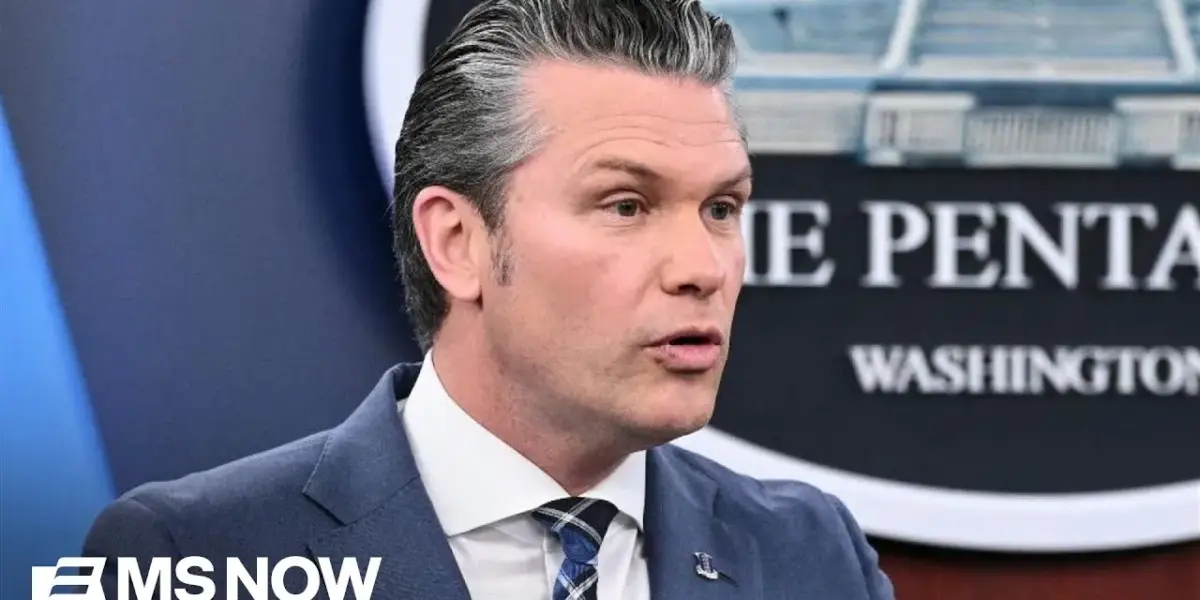
Pentagon prayer services led by Secretary of Defense Pete Hegseth are causing alarm among military leaders and veterans. Critics argue the Christian nationalist rhetoric blends religion with violence, potentially dividing the armed forces and violating church-state separation principles. This is seen as a dangerous departure from historical efforts to keep military actions religiously neutral.

Pentagon Prayer Services Spark Alarm Among Military Leaders
New Christian nationalist prayer services at the Pentagon are raising serious concerns among military leaders, veterans, and legal experts. These services, led by Secretary of Defense Pete Hegseth, are blending religious rhetoric with military action, leading to worries about dividing the armed forces and violating the separation of church and state.
Rhetoric Blends Religion and Violence
The core of the concern lies in the language used during these events. Phrases like “Let every round find its mark against the enemies of righteousness” and “overwhelming violence of action against those who deserve no mercy” are being cited as examples of a dangerous mix of religious zeal and military objectives. Retired U.S. Major General Randy Manor stated that this kind of rhetoric is “absolutely new” in his 36 years of service and that it “divides our military. It does not unite us.” He further explained that such language is not only potentially illegal under the Constitution’s separation of church and state but also forces a specific religion on those who may not share it.
Chaplain Roles and Religious Diversity
Military chaplains are tasked with supporting the spiritual needs of all service members, regardless of their faith. Their role includes providing counseling and maintaining morale. However, the current emphasis on Christian nationalist ideas, according to General Manor, means that “they are not treating others with dignity and respect.” This goes against the very ideals of Christianity, which emphasize dignity and respect for all.
A Departure from Tradition
Kevin Baron, former vice president of the Pentagon Press Association, highlighted the difference between traditional religious observances in the military and the current trend. He noted that while praying for troops or having invocations is normal, Hegseth’s speeches go a step further. “What’s different is those little phrases in Peg Seth’s recent speeches, things like using overwhelming force and rounds finding their mark. This is a whole different level of blending, not just blending religion with the mission and public service, but invoking religion, invoking a specific religion for the use of violence,” Baron said. He described the situation as “more than unusual. It’s strange. It’s odd.”
Cultural Shift and Recruitment Concerns
Baron also suggested that this is part of a larger cultural shift Hegseth is trying to create at the Pentagon. He believes the current administration is intentionally “breaking the rules” they promised to break during their election campaign. This shift could impact military recruitment, as the armed forces are trying to attract individuals who align with their specific values. “They’re trying to make sure that they get the exact kind of people that are like them and only like them,” Baron observed.
“My God is Better Than Your God” Territory?
The rhetoric has led to fears of entering “my God is better than your God territory.” General Manor expressed deep concern, stating, “With the Secretary of Defense, we’re already there. He’s already saying that his God is better than anybody else’s God.” He questioned the potential uproar if similar services were held for other religions, emphasizing the one-sided nature of the current approach. The diversity of the military means chaplains must serve everyone, including those with no religion, providing spiritual support during stressful times.
Threat to Military Unity
This one-sided religious focus is seen as a direct threat to the unity of the military. It undermines the trust service members have in their leadership and in each other. “This is a threat absolutely to the unity of our military being able to trust each other and to believe that the senior leadership of the Pentagon starting at the top has their back, which right now they’re demonstrating they don’t,” Manor stated.
Historical Precedents for Separation
The current actions stand in stark contrast to historical efforts to maintain a separation between religion and military operations. Baron recalled that during World War II, General George Patton ordered an interfaith prayer for troops. Following the 9/11 attacks, Defense Secretary Don Rumsfeld changed the name of a campaign from “Operation Infinite Justice” to “Operation Enduring Freedom” specifically to avoid the perception of a religious war. These examples show a clear intent in the past to keep military actions distinct from any single faith.
Dismantling Inclusivity
General Manor warned that the current trend is dismantling the inclusive nature of the U.S. military, which has historically reflected the nation’s diversity. “One of the reasons why we have the best military in the world at this point is because our military, up until this administration reflected, for the most part, our country. It represented all the various religions, all the very various races, all the various ethnic backgrounds, all the different, the genders,” he explained. He drew a chilling comparison to “Germany 1933 through 1939” if the military becomes a “white nationalist organization.” The goal, he stressed, should be a military that represents all Americans, where everyone is treated with dignity and respect, and where trust on the battlefield is paramount.
What’s Next?
The concerns raised by military leaders and experts suggest that the debate over religion in the military is far from over. Future attention will likely focus on whether any official action will be taken to address these perceived violations of church-state separation and their impact on military cohesion and inclusivity. The effectiveness and morale of a diverse fighting force may hinge on how these issues are resolved.
Source: Hegseth's Christian rhetoric raises alarm among military leaders, veterans (YouTube)

Related Articles
US Munitions Shortage Threatens Troops in Middle East
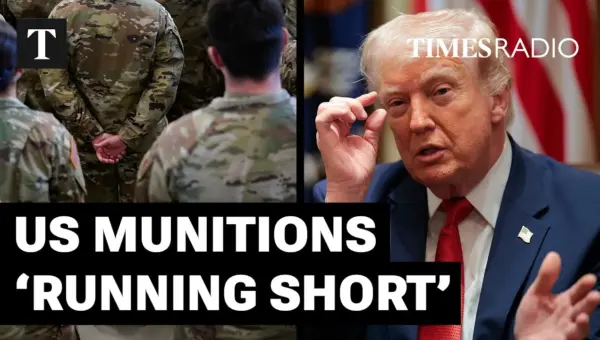
A former Pentagon official warns that the U.S. faces a critical shortage of munitions needed to defend its troops in the Middle East. This revelation comes amid internal debate within the Trump administration over escalating military action in Iran versus seeking a diplomatic exit. The lack of sufficient supplies and the risks of ground operations create a precarious situation.

Pentagon Battles Press: Court Weighs Access Rights
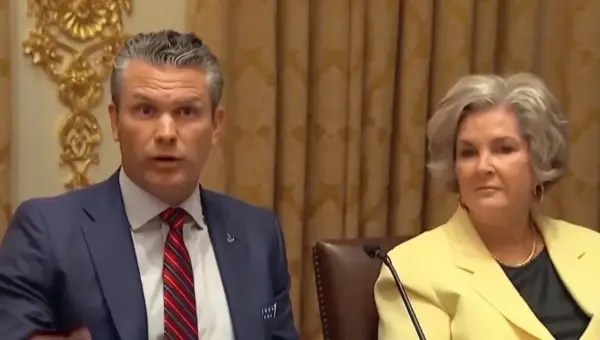
A federal judge is hearing arguments in a dispute between the Pentagon and the New York Times over journalist access. The case centers on whether the Pentagon is complying with a court order to restore press credentials and access after a policy restricted reporters seeking classified information.

Hegseth’s Missile Spree Threatens US Defense Readiness
The U.S. has rapidly depleted its Tomahawk missile stockpile, raising alarms about national defense and soldier safety. This rapid firing, linked to Pete Hegseth, depletes a key deterrent and forces a potential return to riskier combat tactics. The long-term consequences could be severe.