Pentagon Plans Weeks of Iran Ground Ops Amid Escalating Conflict
The Pentagon is reportedly preparing for weeks of ground operations in Iran, signaling a potentially dangerous escalation. This comes as missile defenses near Jerusalem are being scrutinized after two missiles penetrated. The conflict is widening into a regional war, involving various actors and raising concerns about global economic stability.

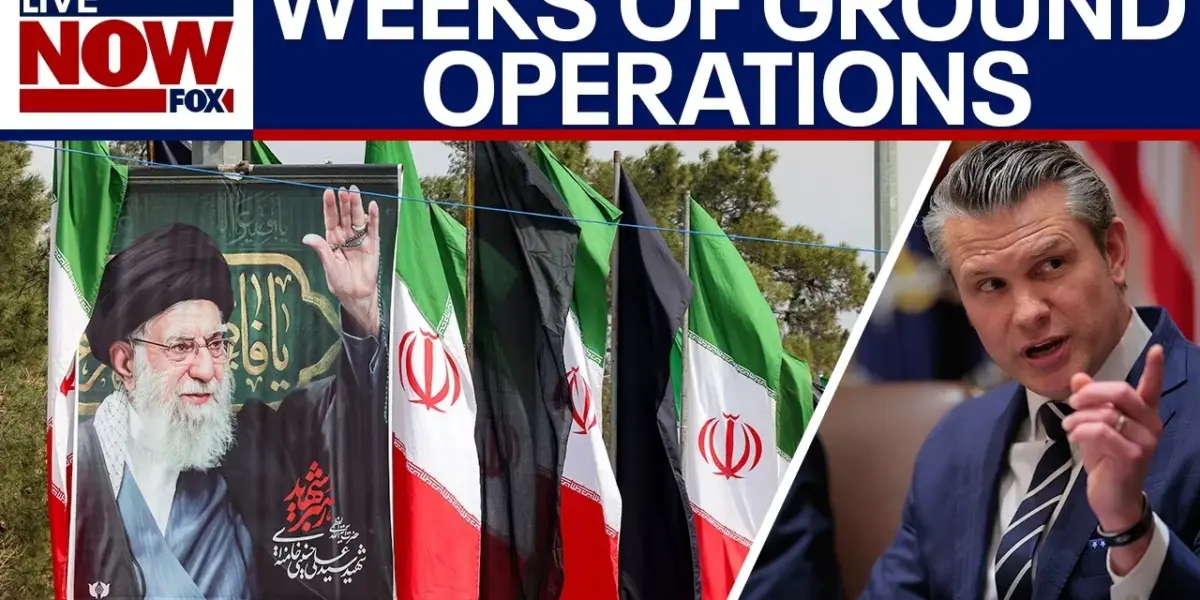
Pentagon Prepares for Extended Iran Ground Operations
The Pentagon is reportedly making preparations for weeks of potential ground operations in the Middle East, signaling a dangerous new phase in the ongoing conflict with Iran. This information comes from a Washington Post report, suggesting that the United States is considering military actions that could fall short of a full-scale invasion but might involve special operations forces and conventional infantry.
Missile Strikes Near Jerusalem Highlight Defense Gaps
Recent events near Jerusalem underscore the volatile situation, with reports of two missile impacts creating craters and causing damage to nearby properties. Witnesses described the impacts occurring one after another. While previous incidents involved smaller cluster bombs, these recent strikes appear to have involved missiles with warheads weighing around 220 pounds, powerful enough to shatter windows in surrounding buildings and tip over cars in a nearby junkyard. The Israeli Defense Forces (IDF) are investigating why the missile defense system, which is reportedly 90% accurate, allowed two missiles to penetrate. Despite the damage, 11 injuries were reported, none of them serious.
US Forces Mobilize Amidst Uncertain Escalation
Thousands of U.S. forces are moving into the region as President Trump faces critical decisions regarding potential escalation. Options reportedly on the table include deploying troops along the Strait of Hormuz, on Iran’s shores, or potentially seizing Kar Island, a vital economic and oil industry hub for Iran. Alternatively, the U.S. could continue with targeted bombings of military sites and conclude its current operations. The decision rests with the President, with U.S. military assets already in place and more forces being moved to be ready for any orders.
Ground Troops Mean Higher Risk and Commitment
Placing U.S. troops on the ground in Iran represents a significant increase in risk compared to the current remote warfare involving standoff munitions and air strikes. This move would demand a substantial commitment from the United States, not only for troop deployment but also for sustained support, including food, ammunition, and ongoing resupply efforts. The logistical and medical evacuation needs for any injured or fallen soldiers would add further pressure on the U.S. military.
Diplomatic Efforts Face Deep Mistrust
While military preparations for escalation continue, diplomatic efforts are also underway, with Pakistan mediating talks between the U.S. and Iran. However, progress appears challenging due to deep-seated mistrust on both sides. Iran is reportedly demanding assurances that the U.S. will never attack again and seeking reparations, while the U.S. maintains its pre-war demands. This distrust is compounded by internal political uncertainty in Iran, including questions about the authority of the new Supreme Leader, making it difficult to ensure any potential agreement would be honored.
Conflict Widens into a Regional War
The conflict has clearly expanded beyond a bilateral confrontation, now involving regional players. The Houthi movement in Yemen has launched missiles at Israel, following actions by Hezbollah in Lebanon. This development confirms the war as a regional conflict, with Iran attacking various countries and the U.S. using bases across the region. The involvement of the Houthis also raises concerns about potential disruptions to other critical shipping routes, such as the Bab el-Mandeb strait off the coast of Yemen, which could further impact global oil markets.
Economic Pressures and Long-Term Strategy
The widening conflict and potential disruptions to global trade routes are placing pressure on world economies, with rising gas prices being a significant concern. However, President Trump has framed the actions against Iran as part of a long-term strategy to counter a persistent adversary of the United States. The administration views this as a crucial goal to degrade Iran’s threat capabilities. The upcoming midterm elections, where the cost of living is a major issue, add another layer of political consideration to the ongoing military and diplomatic situation.
Israel’s Role and Future Uncertainty
Israel remains a key player, facing direct threats from Iran and its proxies. Reports suggest that Israel may be accelerating its strikes, possibly in anticipation of the U.S. potentially ending its campaign sooner. However, Israel appears to favor a longer engagement to significantly set back Iran’s military capabilities. Despite U.S. efforts, Iran retains significant drone and missile capabilities, meaning it could continue to pose a threat to its neighbors even if U.S. involvement lessens. The possibility of Iran attacking U.S. interests or bases could also draw the U.S. back into direct conflict, regardless of its initial intentions.
Source: UPDATE: Pentagon prepares for weeks-long Iran ground operations, report says (YouTube)

Related Articles


Vance Vanishes: Senator’s Silence on War Sparks Political Fallout
Senator JD Vance's quiet stance on a new Middle Eastern conflict has drawn criticism, especially as rival Marco Rubio gains political traction. This analysis explores Vance's silence, Trump's past warnings about war, and the economic impact of the ongoing tensions, questioning the accountability of politicians during wartime.

US Troops Near Iran: Ex-Ambassador Warns of ‘Scary’ Escalation
Former Ambassador Michael McFaul expressed deep concern over the escalating U.S. military presence near Iran, calling it "unnerving" and "very scary." He questioned the unclear objectives of the conflict and highlighted discrepancies in official claims about damage to Iran's military capabilities.

US Ground Invasion of Iran Risks ‘Mission Creep,’ Warns Retired General
Retired General David Deptula warns that a U.S. ground invasion of Iran carries no guarantees and risks 'mission creep,' potentially leading to prolonged conflict. As the U.S. considers ground troop options, objectives appear to be shifting from regime change to managing economic fallout and securing maritime routes.