Pentagon Flouts Judge’s Order, Attacking Free Press
The Pentagon is defying a judge's order to restore press access for the New York Times, escalating a battle over freedom of the press. Lawyer Ted Boutros discusses this defiance and a separate victory saving public broadcasting funding from defunding. These actions highlight a broader trend of challenging the First Amendment and the rule of law.

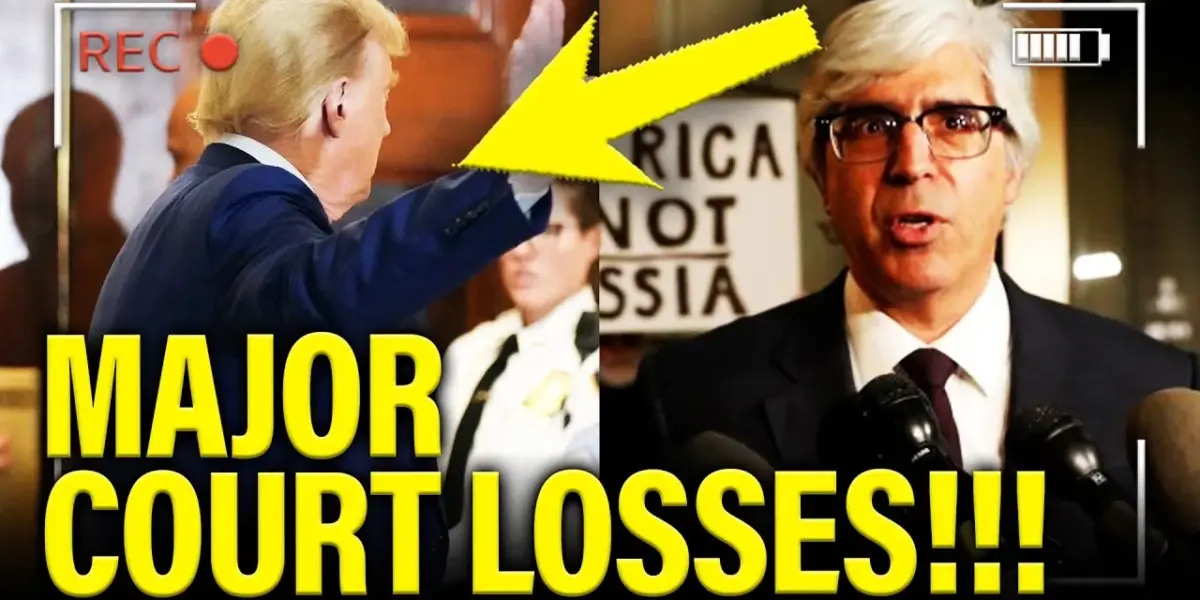
Pentagon Defies Court Order in Press Freedom Battle
In a striking display of defiance, the Pentagon has refused to fully comply with a judge’s order to restore press credentials for the New York Times. This action comes after a judge ruled that the Pentagon’s policy, which severely restricted independent reporting and the use of anonymous sources, was unconstitutional. The lawyer leading the charge against these restrictions, Ted Boutros, spoke out about the ongoing fight for press freedom.
NPR and PBS Funding Saved from Defunding
In a separate but related victory for free speech, a judge permanently blocked an executive order aimed at defunding public broadcasters PBS and NPR. This order, seen as an attempt to punish news organizations for perceived bias, was struck down by the court. Boutros highlighted that this ruling affirmed the principle that the government cannot punish speech it dislikes.
Pentagon Escalates Restrictions After Court Order
Despite a judge’s clear directive on March 20th to reinstate press access, the Pentagon has doubled down on its restrictive policies. Instead of allowing the New York Times reporters back to their usual workspace, they were moved to an annex building and required escorts. The policy also changed language around anonymous sources, creating a presumption that reporters soliciting such information were trying to uncover unauthorized disclosures. Boutros described this as “contemptuous behavior” and a deliberate attempt to “flout the judge’s order.”
“The government is just flouting the judge’s order. They literally ripped down the sign – that’s how they responded to an order from an Article 3 judge.”
A Pattern of Attacking the Press
This isn’t the first time the Trump administration has targeted the press. During the previous term, press passes for CNN correspondent Jim Acosta were revoked when President Trump was unhappy with his questioning. While those passes were eventually restored after legal action, Boutros sees the current situation as far more dangerous. He emphasized that the administration is not only enacting policies that go against the First Amendment but is also openly violating court orders and disrespecting the judiciary. This, he argued, is an assault on the rule of law itself.
The Importance of Anonymous Sources
A key issue in the Pentagon case is the restriction on using anonymous sources. Boutros explained that forcing reporters to reveal their sources or face penalties could severely damage the relationship between journalists and their sources. This is particularly critical in national security reporting, where sources may fear retaliation. Without the ability to protect sources, important information could be kept from the public, leading to a less informed citizenry. He drew a parallel to the Pentagon Papers case, where the New York Times famously published classified documents, underscoring the historical role of the press in holding power accountable.
Challenging the Judiciary
The Pentagon’s response to the court order has raised serious questions about the administration’s respect for the judicial system. Instead of appealing the judge’s decision, they implemented a new policy that the judge himself found questionable. Boutros stated that this strategy of ignoring or circumventing court orders, rather than appealing them, is a disturbing trend. He called out this behavior as “gaslighting the court” and stressed that such actions cannot be allowed to stand in a democratic society. He also noted alarming rhetoric from President Trump suggesting laws to criminalize judicial actions he disagrees with.
Lawyers as Guardians of the Rule of Law
Boutros, who practices at Gibson Dunn & Crutcher, a firm known for handling high-stakes corporate cases, spoke about the importance of lawyers taking on these critical First Amendment battles. He stressed that lawyers have a constitutional role to play in defending the system, regardless of personal or political leanings. He pointed to his own history, including co-leading the legal challenge to California’s Proposition 8 ban on same-sex marriage, as an example of lawyers standing up for fundamental rights. He believes it is crucial for legal professionals not to be intimidated and to fight for their clients and the rule of law.
A Critical Time for Free Speech
The current legal challenges represent a significant moment for freedom of the press and speech in America. The administration’s actions against PBS, NPR, and the New York Times demonstrate a willingness to directly confront and punish news organizations. Boutros concluded by emphasizing that these battles are essential. Allowing government actions that violate the First Amendment and the rule of law to go unchallenged would set a dangerous precedent. He expressed gratitude for being involved in these cases and for the opportunity to fight for these vital principles.
Why This Matters
The ongoing legal battles surrounding press freedom are crucial for the health of American democracy. When the government attempts to defund news organizations it disagrees with or restricts journalists’ access to information, it undermines the public’s right to know. The ability of the press to act as a watchdog, to investigate and report on government actions, is a cornerstone of a free society. The Pentagon’s defiance of a court order and the administration’s attempts to control the narrative are deeply concerning. These actions threaten to erode public trust in both the media and the justice system, making it harder for citizens to make informed decisions and hold their leaders accountable.
Looking Ahead
The fight for press freedom is far from over. The Pentagon’s actions suggest a continued willingness to push boundaries, and further legal confrontations are likely. The outcome of these cases will have significant implications for the future of journalism in the United States. If the government can successfully stifle reporting or punish unfavorable coverage, it could lead to a chilling effect on journalists nationwide. The public must remain vigilant and support legal challenges that defend the First Amendment, ensuring that the press can continue to serve its vital role in a democratic society.
Source: Trump STRUCK with MULTIPLE LEGAL LOSSES…Lawyer SPEAKS OUT (YouTube)

Related Articles
Trump Picks Loyalists Over Law to Lead Justice Department
Donald Trump's search for a new Attorney General reveals a pattern of prioritizing loyalty over legal expertise. Critics argue this approach undermines the independence of the Justice Department, raising concerns about the rule of law.
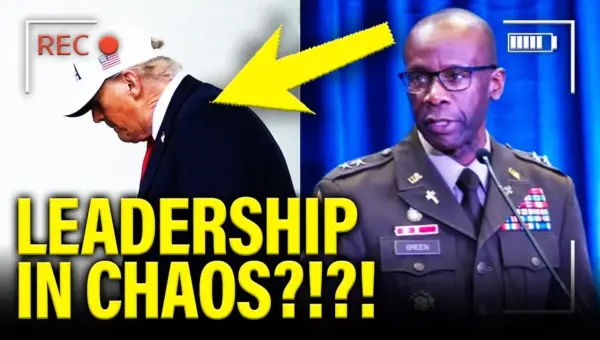
Trump Fires Top Generals Amid War Chaos and Falling Polls
Top U.S. Army leadership, including Chief of Staff General Randy George, has been abruptly removed amidst ongoing conflict in Iran. The firings, coupled with battlefield setbacks contradicting official claims of dominance, raise concerns about stability and decision-making.
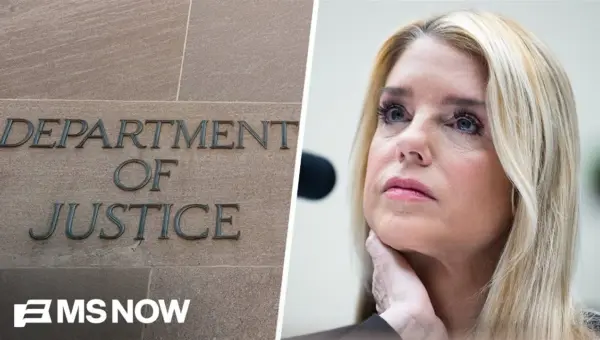
DOJ Official’s Departure Sparks Calls for Accountability
Pam Bondi's departure from the DOJ is met with demands for accountability, with critics citing a "dark legacy" of "cruelty" and the undermining of the rule of law. Organizations like Democracy Forward are calling for transparency and ethical scrutiny, highlighting concerns over potential corruption and executive overreach.