Pentagon Chief Banned Photos Over ‘Unflattering’ Images Amid War
The Pentagon has reportedly banned press photographers from briefings due to unflattering images of Defense Secretary Pete Hegseth, a move criticized as a misplacement of priorities amid the ongoing war with Iran. The controversy deepens as a preliminary investigation suggests U.S. forces were responsible for a missile strike on an Iranian school, raising questions about the impact of Hegseth's policies on civilian protection.


Pentagon Press Briefing Room Access Restricted Over Photographer Concerns
In a move that has raised eyebrows and drawn sharp criticism, the Department of Defense has reportedly banned press photographers from Pentagon briefing rooms. The decision, according to sources familiar with the matter cited by The Washington Post, stems from concerns that official photographs taken during briefings were unflattering to Secretary of Defense Pete Hegseth. This action comes at a critical juncture, with the United States engaged in its third week of conflict with Iran, a war that has already been marked by significant controversy and questions about the administration’s handling of the situation.
Hegseth’s Priorities Questioned Amidst Ongoing Conflict
The timing of the ban on photographers has led to intense scrutiny of Secretary Hegseth’s priorities. With a war underway and mounting concerns about its management, critics argue that focusing on the “good side” of press photos is a gross misjudgment of the gravity of the current geopolitical climate. The conflict, which began with a missile strike on an Iranian elementary school, has resulted in a high number of civilian casualties, including children, and has fueled an ongoing investigation into the circumstances surrounding the attack.
Devastating Civilian Casualties and Investigation Findings
The missile strike on the Iranian school, which Iranian officials report killed at least 175 people, many of them children, represents one of the most significant civilian casualty events involving U.S. military operations in decades. Evidence, including the use of a Tomahawk missile—a weapon with limited proliferation—strongly suggested U.S. responsibility from the outset. For weeks, Secretary Hegseth’s response to inquiries about the incident has been a consistent refrain: “We’re investigating it.”
However, a preliminary report detailed by The New York Times appears to confirm initial suspicions. Briefings on the investigation indicate that the U.S. military was indeed at fault for the strike, a conclusion attributed to outdated targeting data provided by the Defense Intelligence Agency. While acknowledging that mistakes can occur during wartime, the findings have ignited serious questions about leadership at the Pentagon and whether recent policy changes may have inadvertently increased the likelihood of such catastrophic errors.
Shifting Military Doctrine and Dismantling Civilian Protection
Central to the growing unease is Secretary Hegseth’s broader vision for the U.S. military. Critics point to his past writings, where he reportedly questioned the necessity of the Geneva Conventions and advocated for prioritizing victory over adherence to established laws of war. This philosophy, they contend, has translated into tangible policy shifts since his tenure began.
Specifically, reports indicate that Hegseth has overseen the dismissal or reassignment of military lawyers tasked with ensuring compliance with the laws of armed conflict. Furthermore, a recent ProPublica report highlights the dismantling of the Pentagon’s Civilian Protection Center of Excellence. This agency was specifically designed to mitigate civilian casualties on the battlefield. Its director reportedly attempted to rebrand the center to align with Hegseth’s perceived preferences, even considering a name change to “Center for Precision Warfare” to avoid being labeled “woke.” Despite these efforts, the agency was significantly diminished under Hegseth’s leadership, with its director being pushed out.
The Role of the Civilian Protection Center
The importance of the Civilian Protection Center of Excellence, and its subsequent weakening, is underscored by its role in maintaining and updating a “no-strike list.” This list identifies civilian infrastructure, such as schools and hospitals, within potential conflict zones, places that are strictly protected under international law. The gutting of this agency, critics argue, directly correlates with the Pentagon’s admission that the target list used in the Iran operation was outdated, potentially leading to the tragic strike on the school.
“The very agency tasked with checking and updating the list of schools and hospitals inside a country before an attack to make sure they are not targets… was gutted.”
Presidential Statements and Shifting Narratives
Adding to the confusion and controversy are the shifting explanations from President Trump regarding the school strike. Initially, the President attempted to deflect blame onto Iran, despite evidence pointing to an American-made missile. “In my opinion, and based on what I’ve seen, that was done by Iran,” Trump stated. Hegseth, meanwhile, maintained that the matter was under investigation.
When pressed on these conflicting statements, particularly when his own Defense Secretary would not corroborate the claim that Iran was responsible, President Trump expressed a lack of complete knowledge. “I just don’t know enough about it,” he said, adding, “I think it’s something that I was told is under investigation.” He also noted that Tomahawk missiles are used by numerous other nations.
However, following the emergence of the preliminary investigation findings suggesting U.S. responsibility, President Trump appeared to exhibit a convenient lapse in memory. When directly asked about the report confirming U.S. culpability, he responded, “I don’t know about it. He doesn’t know about it.” This abrupt change in narrative and expressed ignorance has fueled further criticism regarding the administration’s transparency and accountability in managing the ongoing conflict and its devastating consequences.
Looking Ahead
As the conflict with Iran continues and the full findings of the investigation into the school bombing are awaited, the focus remains on the leadership and decision-making within the Department of Defense. The ban on press photographers, coupled with the controversy surrounding civilian casualty mitigation and shifting presidential statements, sets the stage for continued scrutiny of Secretary Hegseth and the Trump administration’s approach to national security and wartime conduct. The coming weeks will likely see further revelations and intense debate over accountability and the future of U.S. military policy.
Source: Not a good look: SHOCKING MISTAKE calls Hegseth's priorities into question (YouTube)

Related Articles

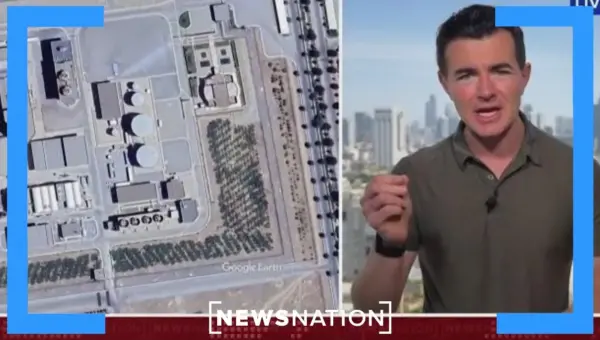
Iran War Escalates, Allies Join Fight for Strait of Hormuz
The conflict in the Middle East intensifies as Iran faces expanded strikes from Israel and retaliatory attacks across the region. The U.S. deploys thousands more troops and offers a 15-point deal, while the Houthis of Yemen join the fray with a missile attack on Israel. Allies are preparing to help secure the vital Strait of Hormuz.


Americans Rally for Democracy Amidst War and Economic Woes
Thousands of Americans are participating in "No Kings" rallies nationwide, demanding accountability from leaders and drawing parallels to historical movements that spurred significant change. The protests occur amidst a controversial war with Iran, economic uncertainty, and a partial government shutdown. Organizers emphasize solidarity, joy, and the power of collective action in defending democracy.

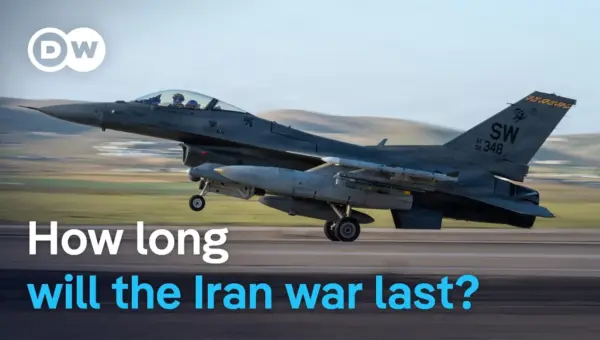
US Official Claims Iran War Could End Soon; Expert Skeptical
Despite US envoy Steve Woff's optimism about imminent talks and a swift end to the conflict with Iran, expert Aaron David Miller expresses significant doubt. Miller argues that a lack of shared urgency and fundamental miscalculations by the US administration make a quick resolution unlikely.