Pentagon Blocks Press: A Threat to Truth?
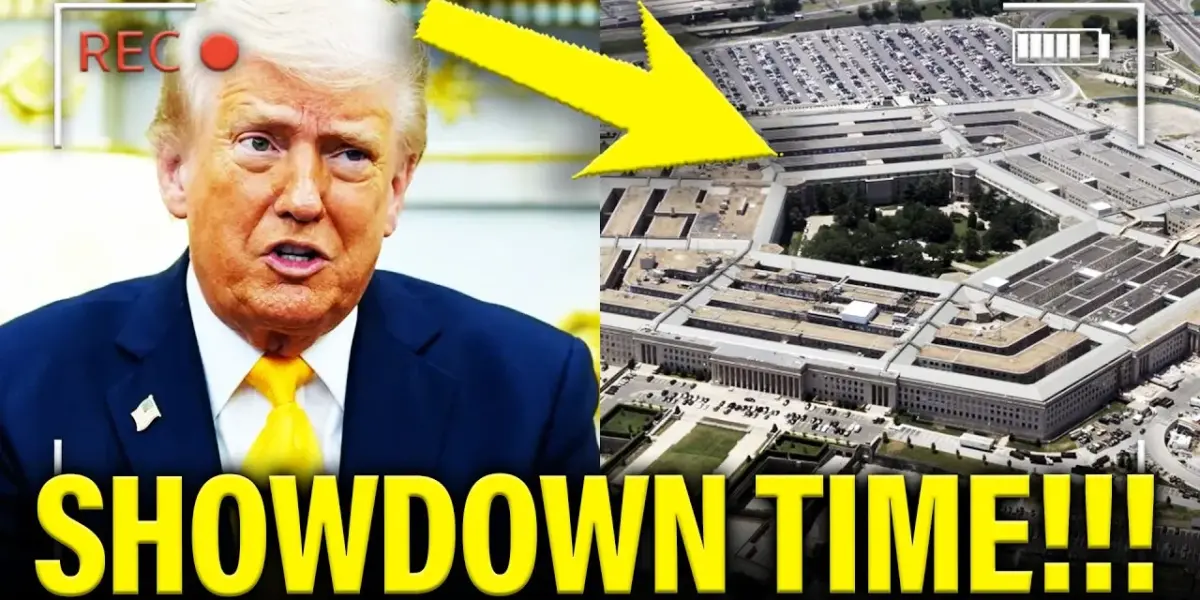
The Pentagon is blocking reporters from their usual workspace, moving them to an annex and requiring escorts. This follows a legal battle with the New York Times over new reporting restrictions. The move raises serious concerns about government transparency and the freedom of the press.

Pentagon Blocks Press: A Threat to Truth?
The Pentagon has made a drastic change, blocking reporters from their usual workspace inside the building. This move, called a “correspondence quarter,” now houses journalists in a separate annex. They can only enter the main building if escorted by a Pentagon employee for planned press briefings. This new policy comes after a legal loss to the New York Times.
The New York Times Lawsuit
A judge, Judge Freeman, ordered the Pentagon to give the New York Times their press passes back. This happened because the Pentagon put out a new rule in October that made it very hard for reporters to do their jobs. The rule said reporters couldn’t get information from anonymous sources, which is a common way journalists get important government news. Instead of following this rule, the New York Times sued. They argued that the Pentagon’s policy violated their First and Fifth Amendment rights, which protect freedom of speech and due process.
Judge Freeman agreed with the New York Times, ordering the Pentagon to return their press passes. But, instead of following the order, the Pentagon created an even stricter rule. They changed the wording from banning the asking for anonymous sources to banning the “intentional inducement” of such information. This new language is very unclear and seems like a way to get around the judge’s order.
Spokesperson’s Stance on the Press
This isn’t just about a new policy; it’s also about how some government officials view the press. The Pentagon’s spokesperson, Hegathth, has made his feelings clear. He spoke about how headlines are written intentionally and suggested that some in the press are not reporting fairly. He linked this to the ongoing war in the Middle East and suggested that negative coverage could be hurting President Trump’s approval ratings.
The White House press secretary has also made comments that suggest a shift in her role. Instead of informing the public, her purpose seems to be to share the White House’s message, or propaganda. She has dismissed questions from reporters that President Trump might not like, calling them “cheap political stunts” and questioning the reporters’ credibility.
Freedom of the Press: A Cornerstone of Democracy
Freedom of the press is a fundamental part of democracy. It’s often called the “fourth estate” because it’s supposed to keep the other three parts of government in check. When journalists are trained, they learn about rules, responsibilities, and ethics. However, some officials, like Hegathth, seem to view the press more as a business than a profession. Hegathth himself used to be a news anchor, but the network he worked for was found liable for defamation, costing nearly a billion dollars.
The current situation is seen by many as another attack on the press. Critics argue that officials are being criticized not for inaccurate reporting, but for being critical of the President. The President holds immense power, including control over nuclear codes, and the idea that he should be untouchable by the press is concerning.
“You’re either informing the American people of the truth or you’re not.”
This statement highlights the core responsibility of the press. The dispute between the New York Times and the Pentagon is becoming a major case for freedom of the press. It shows how hard some in power are working to control information and how little they seem to care about press freedom.
Legal Battle and Historical Context
The legal team representing the New York Times, Gibson Dunn & Crutcher, is led by Ted Boutros. He has a history of defending press freedom, including representing a former Manhattan DA who was subpoenaed by Congress. This experience makes him well-suited to handle this critical case.
The New York Times has a long history of fighting for press freedom. The landmark case of New York Times v. Sullivan in 1964 protected the press from defamation lawsuits when criticizing public officials. It established that to win a defamation case, a public figure must prove actual malice – meaning the reporter knew the information was false or acted with reckless disregard for the truth. This current case could be just as important as Sullivan, especially given the current political climate and ongoing international conflicts.
Pentagon’s Justification and Judge’s Response
The Pentagon claimed reporters were a security risk, a reason the judge found ridiculous. Reporters have been in the building for years without issue. The judge suggested the real reason for the new policy was to only allow reporters who would publish favorable stories, or stories “spoonfed” by leadership. This is a strong criticism, implying officials want to control the narrative and avoid tough questions.
The judge’s language about being “spoonfed” highlights a perceived childlike behavior from some officials who expect unquestioning acceptance of their statements. Public servants, especially those in positions of power like the head of the Pentagon, should be able to answer difficult questions. Denying reporters access and trying to control the flow of information prevents the public from getting the truth.
Why This Matters
This conflict is crucial because it directly impacts the public’s right to know. If the Pentagon successfully restricts press access and controls the information released, it creates a less informed citizenry. This is especially dangerous when government officials are accused of lying or misleading the public. The ability of reporters to access information, question officials, and report freely is essential for holding power accountable. Without it, the public is left vulnerable to propaganda and misinformation. The lawsuit is a fight to ensure that the truth can be reported, even when those in power would prefer it remain hidden.
Implications and Future Outlook
The outcome of this case will set an important precedent for press freedom. If the Pentagon’s actions are allowed to stand, it could encourage other government bodies to implement similar restrictions. This could lead to a future where government information is tightly controlled, and critical reporting is stifled. On the other hand, if the New York Times prevails, it will reaffirm the importance of the First Amendment and the role of the press in a democracy. This would send a strong message that attempts to suppress journalistic inquiry will not be tolerated.
The trend towards controlling information is a growing concern. In an era of rapid news cycles and the spread of disinformation, a free and independent press is more vital than ever. This case is a critical battleground in that ongoing struggle. The public deserves access to verifiable information, and the press is a key mechanism for delivering it. The fight for press access at the Pentagon is, in essence, a fight for transparency and truth in government.
Source: Trump Pentagon CAUGHT in the ACT… (YouTube)

Related Articles
Republicans Fear Protests, George Conway Says
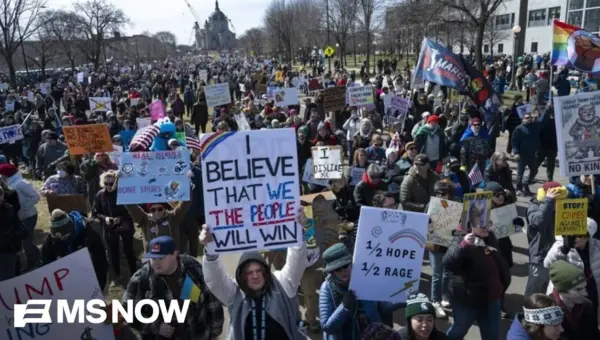
Thousands of Americans are protesting nationwide against President Trump's policies, leading prominent figures like George Conway to state that Republican politicians are "sweating bullets." The administration's response has been largely dismissive, while critics argue it's actively attacking First Amendment rights. The protests highlight deep concerns about the economy, immigration, and foreign policy.


Journalist Detained by ICE Speaks Out in First Interview
Journalist Estefany Rodriguez, who covered ICE for Nashville Noticias, has described her two-week detention as a traumatic experience where she felt treated like a criminal. She questions if her arrest was retaliation for her reporting, as she has an active asylum case and pending green card application. Her case raises concerns about the safety of journalists and the weaponization of the immigration system.

Protesters March Nationwide; Police Focus on Safety
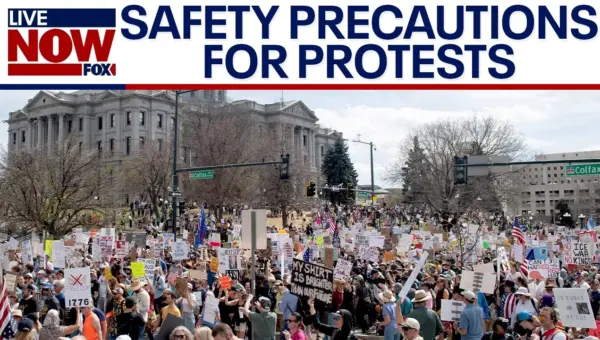
Millions of Americans participated in nationwide 'No Kings Day' protests, with organizers prioritizing peaceful demonstrations. Law enforcement employed a multi-faceted strategy involving intelligence, undercover officers, and direct communication to ensure safety and protect First Amendment rights. Challenges arose as night fell and potential 'bad actors' posed risks, requiring enhanced vigilance and resources.