Pentagon Bans Photographers Amid Photo Controversy
The Pentagon has banned photographers from press briefings, reportedly due to concerns over unflattering images of Secretary of Defense Pete Hegseth. This decision has sparked debate about transparency and access, with critics arguing it hinders public communication and policymaking.

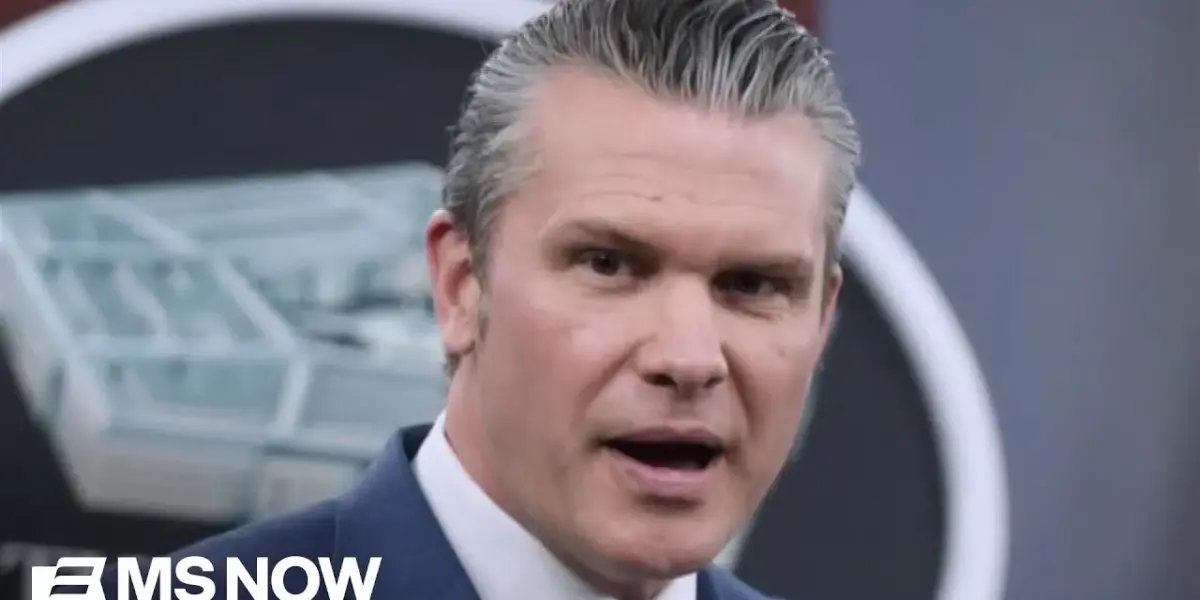
Pentagon Restricts Photographer Access Amid Unflattering Photo Concerns
In a move that has sparked debate about transparency and access, the Pentagon has reportedly banned photographers from attending press briefings. The decision, first reported by The Washington Post, appears to stem from dissatisfaction with unflattering photographs taken of Secretary of Defense Pete Hegseth during an early briefing. Aides to the Secretary were allegedly unhappy with images that circulated, leading to the subsequent restriction of press photographers.
Pentagon Defends Decision, Cites Official Photo Releases
The Pentagon has defended its decision, stating that it will instead release official photographs taken by its own Defense Department staff. These official images will be made available for use, according to a statement from the Pentagon. The White House has declined to comment on the matter.
Criticism Mounts Over Access and Transparency
The ban has drawn criticism from various quarters, with some arguing that it undermines the Pentagon’s efforts to communicate effectively with the American public. Retired Rear Admiral John Kirby, speaking on the issue, expressed concern over the policy change.
“I don’t think photos are his problem,” the Admiral stated, referring to Secretary Hegseth. “I think actual qualifications for the job and this grotesque talk about death he’s totally overcompensating for something that’s missing… It’s what comes out of his mouth that’s the problem. He’s totally overcompensating for something that’s missing in his life.”
Kirby emphasized the importance of continued briefings and open communication. “I think it’s good that the Pentagon has been doing these briefings. I think it’s important they have an obligation to explain to the American people what they’re doing with the men and women in uniform and our arms,” he said. He added, “I don’t think it helps the Pentagon in their efforts to communicate with the American people when they are taking legitimate photographers out of the room.”
Broader Concerns About Media Access and Trust
The discussion extended to broader concerns about media access and the cultivation of public trust. The Admiral highlighted the role of tough questions in building confidence with the public, drawing parallels to historical leaders like Winston Churchill and Franklin D. Roosevelt, who were known for their direct communication during challenging times.
“You need to be asked the tough questions. You need to be able to have the answers to the tough questions. That builds confidence that builds up sort of a bank account of trust with the American people. And when you don’t do that, you don’t have that trust,” Kirby explained. He contrasted this with what he perceived as a less transparent approach from the current administration, suggesting they were operating with “rose-colored glasses.”
Historical Context: White House and Press Pool Dynamics
The conversation also touched upon past instances of restricted media access, including actions by the White House itself. It was noted that the White House has taken control of the press pool, previously managed by the Correspondents Association, and has been accused of stocking it with more favorable media outlets.
The report also referenced former President Trump’s approach to media interactions, acknowledging that he took many questions but often from a distance or in brief, controlled exchanges. The practice of certain media outlets, like Lindell TV (associated with “Mr. Pillow”), reportedly receiving questions before major news organizations such as The New York Times, was also mentioned as a point of concern regarding equitable access.
The Value of Scrutiny in Policymaking
Beyond the immediate issue of photographer access, the article delves into the potential impact on policymaking. The scrutiny provided by an independent and unafraid press is argued to be beneficial for decision-makers.
“I always felt that the press conferences in particular, whether it was Pentagon State or at the White House, the scrutiny. The money you get from an independent media who are unafraid and know that they can ask whatever they want, that helps decision-makers,” the Admiral stated. “When they see how the press is reporting an issue, when they hear the questions coming on a daily basis, it does help make policymaking better. It helps it make it more informed. And so I feel like the policymaking in general suffers when you aren’t getting tough questions from independent press.”
Looking Ahead: Transparency and Public Confidence
The Pentagon’s decision to ban photographers raises significant questions about the balance between managing public image and maintaining transparency. As the Defense Department navigates its communication strategies, the effectiveness of relying solely on official photo releases versus allowing independent press access will likely remain a key point of observation. The long-term impact on public trust and the quality of policymaking, influenced by the level of journalistic scrutiny, will be crucial factors to monitor in the coming months.
Source: 'I don't think photos are his problem': Mika reacts to Pentagon banning photographers from briefings (YouTube)

Related Articles
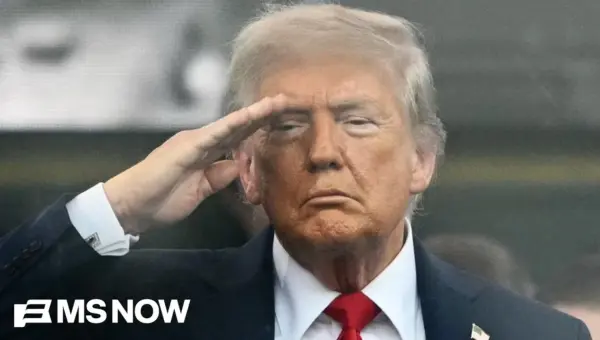
Pentagon Chief Blocks Black, Female Officers’ Promotions
Pentagon chief Pete Hegseth is reportedly blocking the promotions of four Army officers, two Black and two women, to one-star general. This decision follows reports of alleged discriminatory remarks made by a top aide to Secretary Hegseth regarding President Trump's comfort standing with Black female officers.
Pentagon Weighs 10,000 Troops for Iran Showdown
The Pentagon is reportedly weighing a significant troop increase of 10,000 soldiers to the Middle East, potentially escalating tensions with Iran. This move comes amid reports of U.S. precision strikes and interceptions of Iranian missiles by allies, raising concerns about regional stability and global oil supplies.

Heated Cabinet Meeting Exposes Media-Trump Dance
A recent televised cabinet meeting saw Pete Hegseth clash with the media over reporting on Iran, calling the operations a "pure American success." Critics argue these meetings are performative and question the narrative of success, citing potential troop involvement and ongoing Iranian defiance.