Paxton’s Senate Bid: Desperate Trump Appeal or Strategic Play?
Texas Attorney General Ken Paxton's Senate campaign is running ads in Florida, a move seen as a direct appeal to Donald Trump. The strategy highlights Trump's influence within the GOP, even as the former president engages in public feuds with Republican colleagues. Analysts question the desperation of the move amidst broader voter concerns and evolving geopolitical challenges.

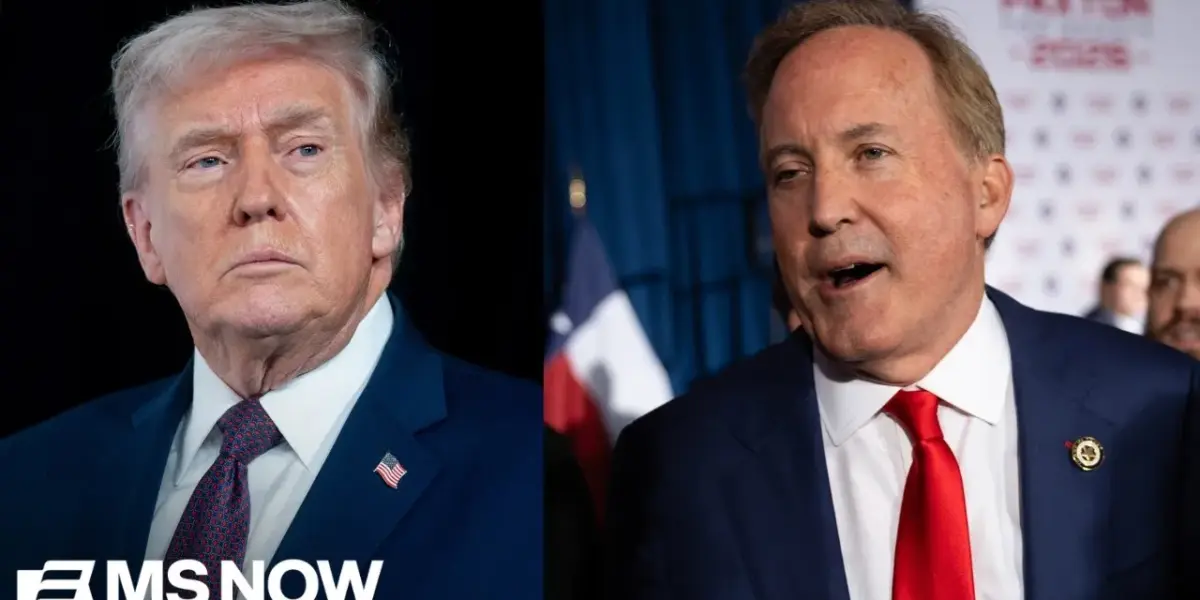
Texas AG Ken Paxton’s Senate Campaign Targets Florida Voters in Bold Move
In a political maneuver raising eyebrows across the nation, Texas Attorney General Ken Paxton’s re-election campaign, through the pro-Paxton Super PAC Lone Star Liberty Pack, has launched a television advertisement in West Palm Beach, Florida. This strategic placement is widely interpreted as a direct appeal to former President Donald Trump, signaling a potentially desperate attempt to secure the former president’s endorsement in a closely watched Senate race.
The Trump Factor in Republican Politics
The move underscores the enduring influence of Donald Trump within the Republican Party. Political analysts suggest that the campaign is banking on Trump’s significant popularity in Texas, a state where his endorsement can decisively sway primary elections. “I will do whatever it takes. I will say whatever it takes to get you on my side,” stated one analyst, characterizing the campaign’s apparent urgency.
Paxton himself presents a profile that shares notable parallels with Trump, including facing impeachment and federal investigations for alleged fraud. This overlap is a key consideration for strategists aiming to leverage Trump’s personal brand and political capital. However, the effectiveness of this tactic remains a subject of debate, particularly as other Republican figures, like Senator John Cornyn, also vie for Trump’s favor.
Divisions Within the GOP: Trump vs. His Own Party
The political landscape is further complicated by ongoing tensions between Donald Trump and members of his own party. Recent reports indicate Trump has publicly criticized Republican Congressman Thomas Massey, labeling him “disloyal” and a “nut job” while endorsing Massey’s primary challenger. This direct confrontation within the party highlights a broader trend of Trump prioritizing loyalty and settling scores over party unity.
Political analyst Juanita Tolliver commented on the implications of such actions: “What does this do to the fabric of the Republican Party when you have the president dedicating his precious time and attention to essentially settling a score with a political adversary in his own party?” She noted that while such internal battles are not new, Trump’s personal involvement and public targeting of specific individuals represent a significant escalation.
Broader Implications for the Midterms and Beyond
The energy driving Democratic engagement in special elections, and potentially the upcoming midterms, is attributed by some to the perceived harm caused by Republican policies and leadership under Trump. Issues such as healthcare subsidies, the impact of tariffs on consumer prices, and housing affordability are cited as reasons why voters across partisan lines are reportedly feeling the pinch.
“People are hurting. And that’s across partisan lines, across age, across race, across geography,” one analyst observed, suggesting that this widespread discontent could lead to shrinking Republican margins. The focus on punishing dissenting voices within the GOP, rather than addressing pressing national concerns, is seen by some as a strategic misstep that could alienate voters.
The Evolving Nature of Warfare and International Relations
Beyond domestic politics, the discussion touched upon the complex international challenges, particularly regarding Iran. The effectiveness of military strategies in the region, especially in light of Iranian drone attacks, has come under scrutiny. The increasing reliance on and proliferation of drone technology by global powers like Russia and China, contrasted with U.S. procurement rates, suggests a shift in modern warfare.
The article also explored the difficulty in defining “victory” in international conflicts, with Senator Josh Hawley’s deference to Trump on the matter drawing sharp criticism. The lack of clear goals and the potential for confusion within the administration’s messaging were highlighted. Furthermore, the enduring question of Iran’s nuclear capabilities and the long-term strategy to prevent it remain central to international security discussions.
Looking Ahead
As the election cycle progresses, the effectiveness of Ken Paxton’s appeal to Donald Trump will be closely monitored. The ongoing internal conflicts within the Republican Party and the impact of economic concerns on the electorate will likely shape the narrative leading up to the midterms. Meanwhile, the strategic implications of emerging warfare technologies and persistent international tensions continue to demand attention.
Source: ‘Desperate’: Political analyst on Ken Paxton’s Senate campaign efforts pandering to President Trump (YouTube)

Related Articles

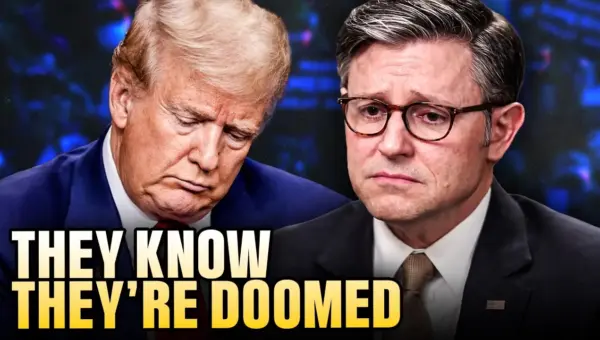
Polls Spell Doom: Republicans Face Voter Backlash
New polling data reveals a sharp decline in public confidence regarding the economic impact of Republican policies, particularly under Donald Trump. A significant majority now feel financially worse off, a trend that is especially pronounced among independent voters. This economic discontent poses a major challenge for the Republican party heading into future elections.

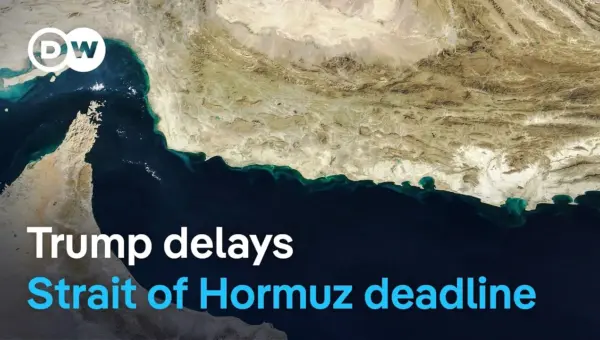
Trump Delays Iran Strike Deadline Amidst Shifting Diplomacy
President Donald Trump has extended his deadline for potential strikes on Iranian energy plants to April 6th, amid reports of U.S.-Iran diplomatic talks mediated by Pakistan. This move comes as Israel continues its strikes on Iran and the U.S. deploys additional military assets to the region. Analysts point to mixed signals, economic pressures, and strategic miscalculations as key factors shaping the evolving situation.
Iran War Claims Ring Hollow as US Troops Injured in New Attack
Days after Donald Trump claimed "we've won" the war with Iran, a new attack injured approximately a dozen U.S. troops and damaged aircraft. This incident contradicts Trump's assertions of victory and raises serious questions about the strategy and reality of the ongoing conflict.