Pardoned Rioter’s Life Sentence Exposes Trump’s Dark Legacy
A pardoned Capitol rioter's life sentence for child abuse exposes the troubling consequences of presidential clemency and raises questions about the character of those drawn to political figures like Donald Trump.

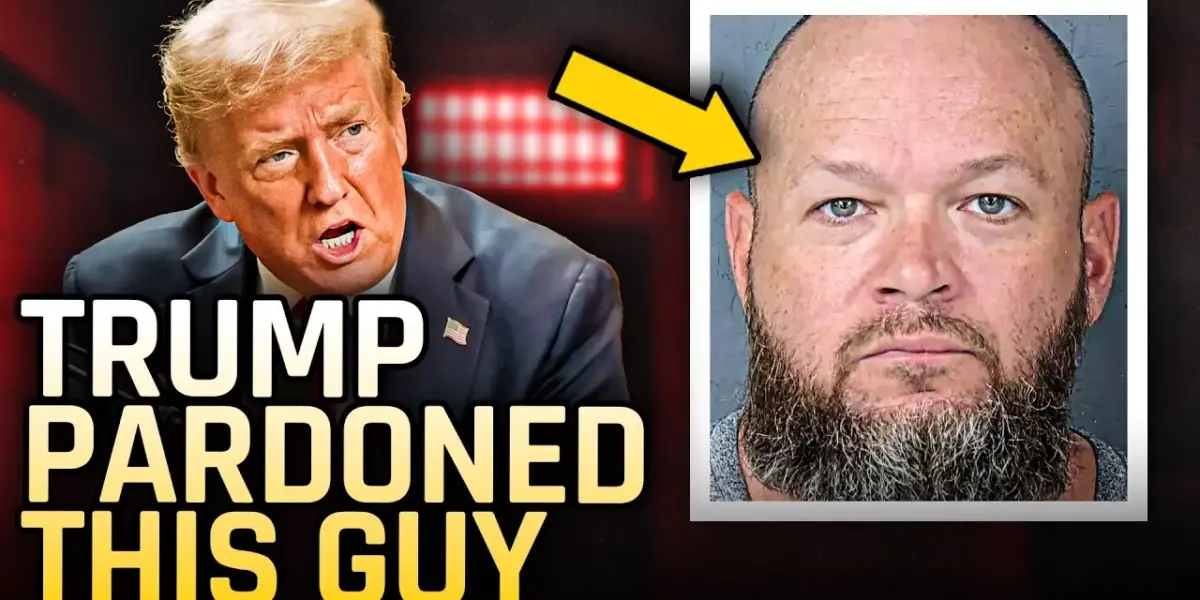
Pardoned Rioter’s Life Sentence Exposes Trump’s Dark Legacy
A recent conviction and life sentence handed down to Andrew Paul Johnson, a man previously pardoned by former President Donald Trump for his involvement in the January 6th Capitol riot, has ignited a firestorm of controversy and introspection. Johnson, who had served a brief stint in prison before receiving Trump’s clemency, was subsequently found guilty of horrific child sexual abuse charges. This case is not merely a legal footnote; it serves as a stark and disturbing illustration of the potential consequences of presidential pardons and raises profound questions about the character of individuals who support and are drawn to political figures like Donald Trump.
From Capitol Mob to Child Abuser: A Troubling Trajectory
Andrew Paul Johnson’s legal journey is a deeply unsettling one. In 2024, he pleaded guilty to participating in the January 6th Capitol events, receiving a sentence of one year in prison followed by a year of supervised release. However, his time behind bars was cut short when Donald Trump issued a pardon. Upon his release, Johnson expressed his gratitude on social media, stating, “Free at last. Never lost faith you would do the right thing.” Tragically, his newfound freedom was soon marred by abhorrent actions. He returned to the home of a woman he had met at a political rally, a woman who had offered him shelter and believed him to be a handyman. It was there that Johnson began to sexually abuse her 11-year-old son and his 12-year-old female friend.
The testimonies of the young victims at Johnson’s trial painted a harrowing picture. The 11-year-old boy recounted waking up to Johnson touching him inappropriately. Both children described Johnson exposing himself to them, making explicit sexual comments, and engaging in physical sexual abuse. The abuse extended to the digital realm, with Johnson using platforms like Roblox and Discord to send sexually explicit messages to the boy. It was only when the children confided in the boy’s mother, who then discovered the disturbing messages, that the authorities were alerted. Johnson’s subsequent arrest and conviction have resulted in a life sentence, a just outcome for his heinous crimes.
The Shadow of the Pardon: Accountability and Implications
The most immediate and jarring aspect of this case is the direct link between Trump’s pardon and Johnson’s subsequent crimes. While the focus has largely been on the horrific nature of Johnson’s actions, the role of the pardon cannot be overstated. It is undeniable that if Johnson had served his full sentence for the Capitol riot, the opportunity to abuse these children would have been significantly curtailed, if not entirely eliminated. This raises critical questions about the vetting process and the criteria for granting pardons, particularly when they involve individuals with a history of serious offenses and potential for future harm.
The argument that Trump freed a child abuser is not just an accusation; it is a direct consequence of his decision. This has led to sharp criticism, particularly from those who advocate for child protection. The implication is that any political figure or party that aligns with or defends individuals who have engaged in such acts, or who have pardoned those who have, cannot credibly claim to be champions of children’s safety. The transcript pointedly states, “No Republican in the United States ever anymore for any reason whatsoever, is allowed to say you care about children because no, you don’t.” This sentiment highlights the deep chasm between rhetoric and action, and the significant damage done to the credibility of those who might otherwise claim to prioritize child welfare.
The Flock to Trump: A Disquieting Pattern
Beyond the immediate implications of the pardon, the case also brings to the forefront a more uncomfortable observation: the types of individuals who are drawn to Donald Trump and his movement. The transcript suggests that Johnson was not an anomaly but rather representative of a demographic that supports Trump. “These are the kinds of people who support Donald Trump. These are the kinds of people he attracts. He attracts child rapists,” the commentary posits. This is a provocative assertion, one that demands careful consideration rather than outright dismissal.
Why do individuals with criminal backgrounds, including those with histories of violence and abuse, appear to gravitate towards Trump rallies and his political sphere? Several theories emerge. Some might be seeking a sense of belonging or validation from a figure who often rails against established norms and institutions. Others may see in Trump a leader who, through his pardons and rhetoric, appears to forgive or overlook transgressions, offering a sense of absolution. The transcript challenges supporters directly: “Next time you guys go to one of your little Trump rallies or you’re having one of your little MAGA meetups, you better take a good long look at everybody around you because these are the kinds of people you’re surrounding yourself with.” This call for self-examination suggests that the character of a movement can, and should, be judged by the character of its most fervent supporters.
Historical Context and Future Outlook
The power of presidential pardons has always been a subject of debate. Historically, pardons have been used to grant clemency to individuals deemed to have been unjustly punished, or to foster reconciliation. However, the use of pardons for political gain, or for individuals whose actions undermine public safety, has consistently drawn criticism. The Johnson case, viewed through this lens, represents a particularly egregious example where a pardon arguably facilitated further harm.
The implications of this case extend far beyond the individuals involved. It fuels the ongoing national conversation about accountability, the integrity of the justice system, and the moral compass of political movements. For the Republican party, it presents a significant challenge: how to distance itself from such associations and reclaim a narrative of child protection without appearing hypocritical. For the broader electorate, it serves as a potent reminder that political choices have real-world consequences, impacting not just policy but the safety and well-being of the most vulnerable among us.
Why This Matters
The conviction and life sentence of Andrew Paul Johnson, a man whose freedom was facilitated by a presidential pardon, underscore a critical issue: the profound responsibility that comes with wielding the power of clemency. This case is a stark reminder that pardons are not merely symbolic gestures; they can have tangible and devastating consequences for society, particularly for victims. It forces a reckoning with the types of individuals who are drawn to and supported by certain political figures and movements, prompting uncomfortable questions about shared values and collective responsibility. The narrative that emerges is not just about one man’s crimes, but about the broader implications of political leadership, the integrity of justice, and the moral fabric of a nation.
Conclusion
The story of Andrew Paul Johnson is a tragic testament to the devastating impact of abuse and the complex, often fraught, nature of political power. While his conviction and life sentence offer a measure of justice for his victims, the shadow of the pardon looms large. It serves as a critical case study, demanding accountability, introspection, and a renewed commitment to ensuring that the pursuit of justice and the protection of the innocent remain paramount, regardless of political affiliation.
Source: Pardoned Capitol Rioter Gets LIFE SENTENCE For Child Abuse (YouTube)

Related Articles

GOP Leaders Falter as Trump’s Grip Loosens Amidst Crisis
Republican leaders appear to be losing control as Donald Trump's influence wanes amidst escalating crises. This analysis explores the party's attempts to manage narratives through deflection and strained defenses, contrasting with the stark economic realities faced by Americans and the enduring importance of congressional oversight.

Karoline’s Trump Admission Rocks Political Landscape
A surprising admission from an individual named Karoline, analyzed by Adam Mockler of MeidasTouch, has caused a stir. This event highlights the significance of unexpected revelations in shaping political narratives and public perception.


Trump Eyes Iran Victory: A Risky Gambit Amidst Escalation
President Trump appears poised to declare victory in the conflict with Iran, a move that could have far-reaching consequences. Despite ongoing resistance from Tehran and concerns from allies, this strategic pivot may prioritize a swift exit over complete objective achievement.