Pardon Power Corrupts: Officials Acted Lawlessly on Trump’s Promise
Reports of officials boasting about presidential pardons reveal a troubling mindset of impunity within the Trump administration. This analysis explores the corrosive effect of unchecked pardon power and calls for significant reform to uphold the rule of law.

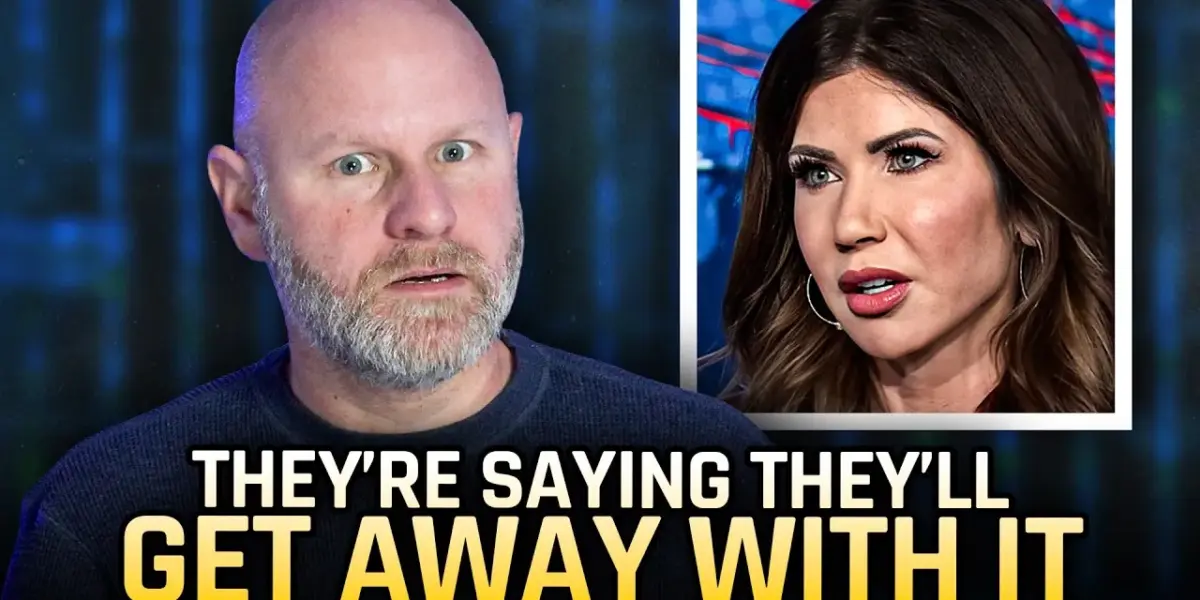
The Shadow of the Pardon: How Immunity Fueled Executive Lawlessness
The recent departure of Corey Lewandowski from the Department of Homeland Security, though perhaps overdue in the eyes of many, has illuminated a disturbing undercurrent within the Trump administration: a pervasive sense of impunity fostered by the prospect of presidential pardons. Reports suggest Lewandowski himself was openly boasting about his ability to act with impunity, citing Donald Trump’s willingness to pardon him. This behavior, far from being an isolated incident, appears to reflect a broader mentality that permeated the administration, encouraging reckless disregard for the law.
Lewandowski’s Boasts: A Symptom of a Larger Problem
The New York Post reported that Lewandowski repeatedly told staffers he could “do whatever the [expletive] I want because Donald Trump will pardon me.” These remarks, allegedly made over the course of nearly a year and tied to his work as a special government employee, paint a stark picture of an official operating under the assumption of guaranteed immunity. While some who worked with Lewandowski did not directly hear these statements, they indicated that such a sentiment was entirely consistent with his demeanor and perceived attitude.
This alleged bragging is more than just the hubris of one individual; it serves as a powerful indicator of the prevailing mindset within the administration. Even before any formal investigations or potential indictments, the mere possibility of preemptive pardons, which reports suggest Trump discussed as early as July of the previous year, created an environment where officials felt emboldened to act with “reckless disregard.” The underlying belief was simple: if legal repercussions loomed, Trump would offer a shield.
The Corrosive Nature of Unchecked Pardon Power
The implications of this mentality are profound and, as the transcript argues, deeply damaging to the fabric of American governance. When individuals in positions of power believe they are above the law, shielded by the ultimate executive clemency, the very foundations of accountability crumble. This can lead to a cycle of unchecked power, where officials prioritize personal gain or political expediency over legal and ethical conduct.
The argument presented is that this culture of perceived immunity doesn’t just benefit those who might be directly implicated in wrongdoing; it actively encourages it. If officials believe they can “break the law as much as I want because I’ll just get a pardon,” then the incentive to adhere to legal and constitutional boundaries evaporates. This, in turn, weakens the government from within, making it more vulnerable to internal decay than any external threat.
Historical Context of the Pardon Power
The power of presidential pardon, enshrined in Article II, Section 2 of the U.S. Constitution, is broad and intentionally so. It is intended to serve as a check on the judicial branch, allowing for mercy in cases of demonstrable injustice or as a tool for national reconciliation. Historically, presidents have used this power judiciously, though not without controversy. Presidents like George Washington, Abraham Lincoln, and Gerald Ford all exercised this power, sometimes to address societal divisions or to rectify perceived judicial overreach.
However, the potential for abuse has always been present. Concerns about pardons being used to reward political allies, obstruct justice, or shield associates from accountability have surfaced throughout American history. The Trump administration, with its reported discussions of preemptive pardons and the alleged boasting of officials like Lewandowski, appears to have pushed the boundaries of this power to new and concerning territories, transforming it from a tool of mercy into a perceived license for misconduct.
Rethinking the Pardon Power: A Call for Reform
The transcript makes a forceful case for a significant reevaluation of the presidential pardon power. While acknowledging that the power has legitimate uses – citing instances where individuals were unjustly imprisoned and deserved clemency – the author contends that its current form allows for too much potential for abuse. The core argument is that the existence of unchecked pardon power can incentivize illegal behavior among those who believe they are protected.
The proposed solution is not outright elimination, but significant limitation. The author suggests that if Democrats regain control of Congress, a priority should be the creation of an amendment to drastically curtail the president’s pardon power. This would include, crucially, stripping the president of the ability to self-pardon, a power that remains a subject of intense legal and ethical debate.
Why This Matters
The implications of officials acting with the belief that they are above the law are dire. It erodes public trust in government institutions, undermines the rule of law, and can lead to systemic corruption. The Lewandowski example, if indicative of a wider trend, suggests that the allure of guaranteed immunity can warp decision-making at the highest levels of government, prioritizing self-preservation and political loyalty over civic duty and legal compliance. This scenario poses a direct threat to the integrity of democratic processes and the equitable application of justice.
Trends and Future Outlook
The normalization of the idea that presidential pardons can be used as a shield against accountability is a dangerous trend. It sets a precedent for future administrations to consider similar uses of the pardon power, potentially further eroding ethical standards in public service. The debate over limiting the pardon power is likely to intensify, especially in the wake of administrations where its use has been perceived as particularly controversial. The future outlook depends on the political will to address these systemic issues and the willingness of lawmakers to engage in a serious re-examination of constitutional powers that, while historically important, may require modern-day limitations to safeguard democratic principles.
Source: Trump Officials Are BRAGGING About The Pardons They’ll Receive (YouTube)

Related Articles
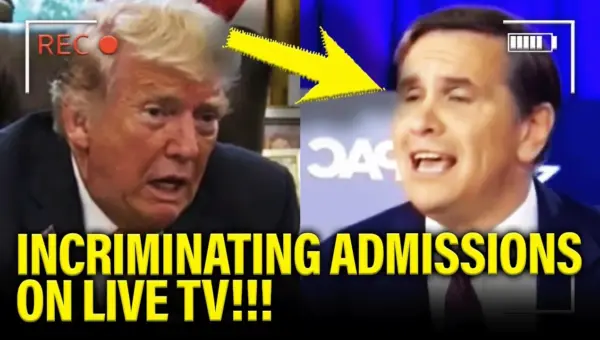
DOJ Official’s Remarks Spark Outrage Over Political Allegations
A top Trump DOJ official's speech at CPAC has sparked controversy, with claims of incriminating admissions regarding fears of prosecution and alleged political motivations. The remarks have raised serious questions about impartiality within the Department of Justice.

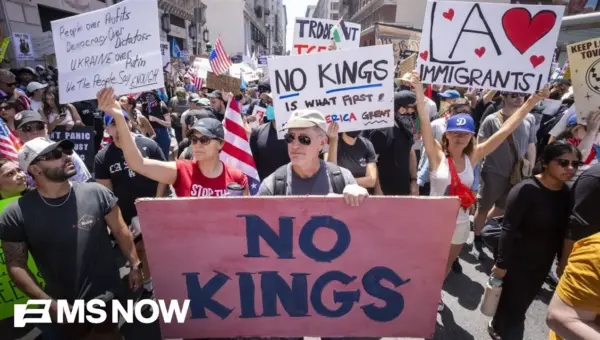
Workers Unite: Millions Demand Government Accountability
Millions of Americans are protesting, driven by anger and fear over the country's direction, healthcare access, and economic security. A diverse coalition, including union members and conservatives, is demanding government accountability and truthfulness. Organizers see a significant shift in momentum as citizens feel empowered to fight for change.
Trump’s Iran War Plans Criticized Amid Border Funding Standoff
Lawmakers and analysts are criticizing the Trump administration's handling of the Iran conflict and its approach to border funding, arguing that a lack of clear planning and a focus on political battles are making the U.S. less safe. Concerns are particularly high regarding the FBI's priorities and the potential impact of these issues on national security.