Paralympic Classification: Ensuring Fair Play in Adaptive Sports
The Paralympic Games rely on a sophisticated athlete classification system to ensure fair competition across its many events. This process groups athletes based on the impact of their impairments, ensuring skill and training, not the degree of disability, determine outcomes. Experts meticulously evaluate athletes to maintain the integrity of adaptive sports.

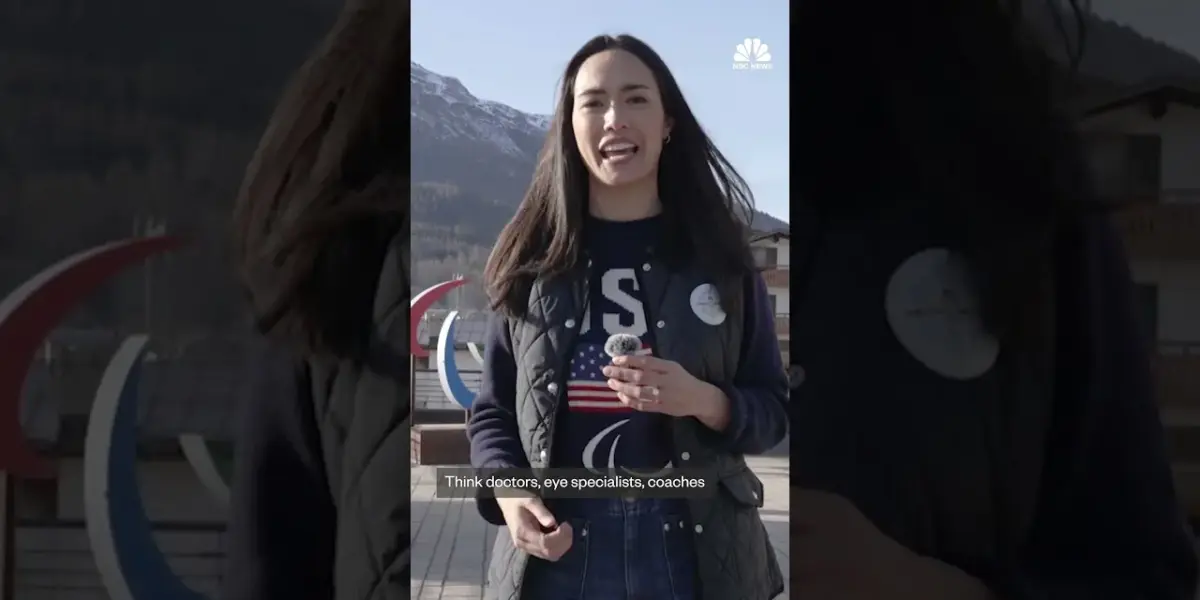
Paralympic Classification: The Backbone of Fair Competition
The Paralympic Games, a global spectacle of athletic achievement, feature 79 medal events across six distinct sports. While the sheer number of events might seem high for a limited number of sports, the underlying structure that ensures fairness and inclusivity is athlete classification. This intricate system is not merely a bureaucratic process; it’s the fundamental mechanism that determines an athlete’s eligibility and groups competitors within sports based on the nature and extent of their activity limitations, ensuring that the competition is as equitable as possible.
How Athlete Classification Works
At its core, athlete classification addresses the vast spectrum of impairments experienced by Paralympic athletes. The goal is to group athletes with similar functional abilities, preventing situations where an athlete with a more significant impairment is pitted against someone with a lesser one. For example, a visually impaired skier will not typically compete against an athlete with a leg amputation who uses a sitski, nor will a para-snowboarder with a significant foot impairment generally race against an individual born with one arm. This ensures that the competition is decided by skill, strategy, and training, rather than the degree of impairment.
Understanding Classification Codes
The classification system often involves codes that provide a snapshot of an athlete’s impairment. As an illustration, four-time medalist Brenna Huckaby’s classification is SBL1. This code signifies ‘Snowboarding Lower limb, and the ‘1’ indicates an impairment such as an above-the-knee amputation or a comparable condition. In some sports, the classification is more generalized. For instance, sports like para ice hockey, also known as sled hockey, have a single class where all athletes have an impairment affecting the lower body. In these cases, the gold, silver, and bronze medals are awarded to the three best-performing teams, irrespective of the specific nature of their lower-body impairments, as long as they meet the overarching classification criteria.
The Classification Panel: Experts in Action
Determining an athlete’s class is a rigorous process overseen by a panel of medical and technical experts. This esteemed group, comprising doctors, eye specialists, and experienced coaches, meticulously evaluates how an athlete’s specific impairment impacts their ability to perform in a given sport. This comprehensive assessment ensures that the classification is accurate and aligned with the sport’s requirements.
“Each sport is different across the board, which makes it really exciting, but also a bit complex. I always joke that classification is like an onion. When you peel back one layer, there’s another layer there.”
– Tyler Carter, Former Paralympian and Classification Administrator
Tyler Carter, a former Paralympian who now plays a key role in managing classification for American athletes, highlights the complexity and sport-specific nature of the process. He likens classification to peeling an onion, emphasizing that each layer reveals further intricacies, underscoring the depth and detail involved in ensuring fairness.
The Importance of Classification for Fair Play
Classification is fundamental to the integrity of Paralympic sport. Its primary function is to prevent a predictable outcome where the athlete with the least impairment inevitably wins. By ensuring that athletes compete against peers with comparable functional abilities, classification levels the playing field. This allows the focus to remain on athletic prowess, dedication, and the spirit of competition.
For viewers, understanding this process adds another layer of appreciation for the Paralympic Games. The athletes who reach this elite stage have undergone a stringent and thorough classification process. This guarantees their eligibility to compete in Paralympic sport and assures that the competitions are fair, compelling, and a true test of human resilience and athletic excellence.
Looking Ahead: The Evolution of Classification
As the Paralympic movement continues to grow and evolve, so too will the classification systems. Ongoing research and dialogue among international federations, athletes, and experts aim to refine these processes further. The commitment to ensuring fair and equitable competition remains paramount, and future adjustments will likely focus on enhancing accuracy, transparency, and adaptability to new sports and emerging understanding of impairments. The ultimate goal is to uphold the fundamental principles of the Paralympic Games: to enable athletes with a disability to achieve their best, inspire the world, and promote inclusivity.
Source: How Paralympic organizers classify athletes to ensure fair competition (YouTube)

Related Articles


US Demands Iran’s Surrender Amid Escalating War
President Trump has escalated demands for Iran's unconditional surrender amidst a widening conflict, with new reports suggesting consideration of U.S. ground troops. Meanwhile, escalating airstrikes, including a potential U.S.-linked attack on an Iranian school, and economic turmoil grip global markets.

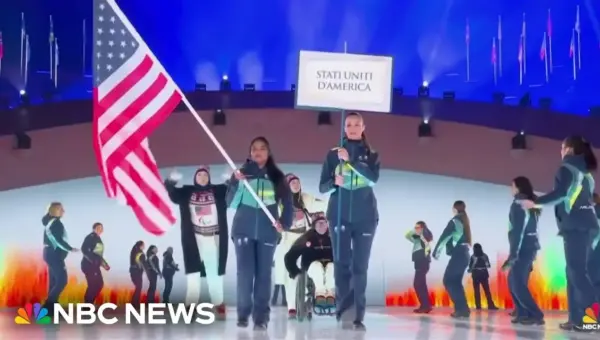
Paralympics Ignite Italy: Milan Cortina 2026 Begins
The Milan Cortina 2026 Paralympic Winter Games have officially begun with a spectacular Opening Ceremony in Italy. Over 600 athletes with disabilities will compete over nine days in a showcase of elite winter sports and human resilience.


Russia Returns to Global Sports Stage Amid Controversy
Russia is set to return to the Paralympic Games under its own flag after years of bans, sparking controversy and backlash from Ukraine. Some sports officials argue for keeping sport neutral, while critics decry the move as politically irresponsible amidst ongoing conflict.