Paralympians Conquer Slopes and Targets with Precision
Paralympic biathlon combines cross-country skiing with target shooting, featuring innovative auditory aiming systems for visually impaired athletes. These Paralympians demonstrate remarkable skill and resilience, navigating challenging courses and achieving pinpoint accuracy under pressure.


Paralympic Biathlon: Where Skiing Meets Precision Shooting
In the demanding world of Paralympic winter sports, athletes push the boundaries of human capability in events that require an extraordinary blend of physical prowess and mental acuity. Among these, Paralympic biathlon stands out as a unique discipline, seamlessly merging the grueling endurance of cross-country skiing with the pinpoint accuracy of target shooting. This sport, adapted for athletes with disabilities, showcases incredible skill, determination, and innovative techniques, particularly in how visually impaired athletes navigate the course and aim their rifles.
Mastering the Course: Skiing Techniques in Para Biathlon
Para biathlon events are contested across various classifications, catering to athletes with different physical impairments. The cross-country skiing component demands significant strength, stamina, and strategic pacing. Athletes must navigate challenging snow conditions and inclines, conserving energy for the critical shooting stages. Depending on their classification, athletes may use specialized equipment such as sit-skis, which allow them to propel themselves across the snow using their arms and upper body strength, or they may ski standing or in a seated position using outriggers for balance and propulsion.
The ability to maintain a controlled heart rate and breathing pattern after intense physical exertion is paramount. A rapid heartbeat can make the precise aiming required for shooting nearly impossible. Therefore, athletes train extensively to control their physiological responses, developing techniques to quickly bring their heart rate down and steady their breathing before taking their shots.
Precision Under Pressure: The Art of Shooting
The shooting aspect of biathlon is where the sport truly tests an athlete’s mettle. Competitors fire at targets from both prone (lying down) and standing positions. The targets are small, and the margin for error is minuscule. For athletes with visual impairments, this stage presents an even greater challenge, necessitating the use of highly specialized equipment and techniques.
Adapting for Visual Impairment: Auditory Aiming
Visually impaired para biathletes employ a remarkable system that relies heavily on sound to guide their aim. Instead of visually sighting their targets, they use an electronic aiming device that emits a tone. This tone changes in pitch as the athlete moves their rifle. A higher pitch indicates the rifle is closer to the center of the target, while a lower pitch signifies it is further away. The athlete’s goal is to adjust their aim until they hear a consistent, neutral tone, signaling that the rifle is aligned with the target’s center.
This auditory feedback system allows athletes to achieve remarkable accuracy despite their visual limitations. It requires an exceptional sense of hearing and an incredibly fine motor control to make minute adjustments based on the subtle shifts in sound. The rifle itself is also adapted, often being larger and heavier than standard biathlon rifles to provide a more stable platform and to accommodate the electronic aiming mechanism.
The Importance of ‘Dry Firing’ and Training
Training for Paralympic biathlon is rigorous and multifaceted. Athletes spend countless hours on the snow, honing their skiing technique and endurance. Equally important is their dedicated practice on the shooting range. For visually impaired athletes, this includes extensive training with the auditory aiming system, learning to interpret the tones and develop muscle memory for precise aiming.
The concept of ‘dry firing’—practicing the shooting motion without ammunition—is crucial. It allows athletes to perfect their trigger control, breathing techniques, and the integration of the auditory feedback system without the pressure of live firing. This repetition builds the consistency and confidence needed to perform under the intense pressure of competition.
The Human Element: Grit and Determination
Beyond the technical aspects, Paralympic biathlon is a testament to the indomitable spirit of its athletes. Competitors face unique challenges daily, yet they dedicate themselves to mastering a sport that demands peak physical and mental performance. The journey to the top involves overcoming physical barriers, adapting equipment, and developing innovative strategies to compete at the highest level.
The dedication shown by these athletes is inspiring. They demonstrate that with resilience, ingenuity, and unwavering commitment, seemingly insurmountable obstacles can be transformed into pathways to success. Their performances not only entertain and thrill audiences but also serve as powerful examples of human potential and the transformative power of sport.
Looking Ahead: The Future of Para Biathlon
As the Paralympic Games continue to gain global attention, the profile of sports like para biathlon is set to rise. Continued advancements in adaptive technology, coupled with increased media coverage and support, will likely lead to even more thrilling competitions and a broader understanding of the incredible skills involved. Fans can look forward to witnessing these remarkable athletes continue to push the limits of what is possible on the snow and at the shooting range, embodying the true spirit of athletic excellence.
Source: How Paralympians navigate the slopes and aim with their ears in biathlon (YouTube)

Related Articles

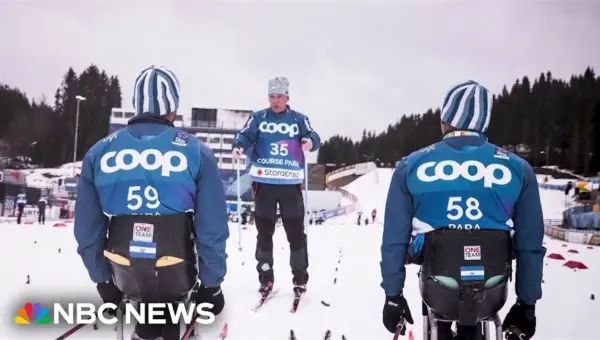
El Salvador’s Paralympians Defy Gang Violence to Make History
El Salvador's first Winter Paralympians, David Chavez and Jonathan Arias, made history in Milan after overcoming gang violence and paralysis. The athletes trained on sand in their home country before switching to cross-country skiing, showcasing remarkable resilience.

Para Alpine Skiing: Decoding the Most Medaled Paralympic Sport
Para Alpine Skiing is the most medaled sport at the Paralympics, offering 30 medal opportunities across various disciplines. NBC News' Steve Kornacki highlights the event's complexity, including its classification system for standing, sitting, and visually impaired athletes. The sport showcases incredible speed, skill, and the power of adaptive innovation.


Paralympian Crafts Prosthetics, Empowering Fellow Athletes
Two-time Paralympic medalist Amy Purdy is leveraging her athletic experience to design and create advanced prosthetic limbs for fellow Paralympians. Her initiative aims to empower athletes with custom-fit, high-performance devices, fostering greater accessibility and potential in adaptive sports.