Pallet Fires Threaten California Supply Chains
Massive pallet fires in Southern California are highlighting critical vulnerabilities in industrial supply chains. These blazes, fueled by unlimited material, pose significant risks to firefighters and disrupt the flow of goods. The incidents underscore the need for greater resilience in global logistics.

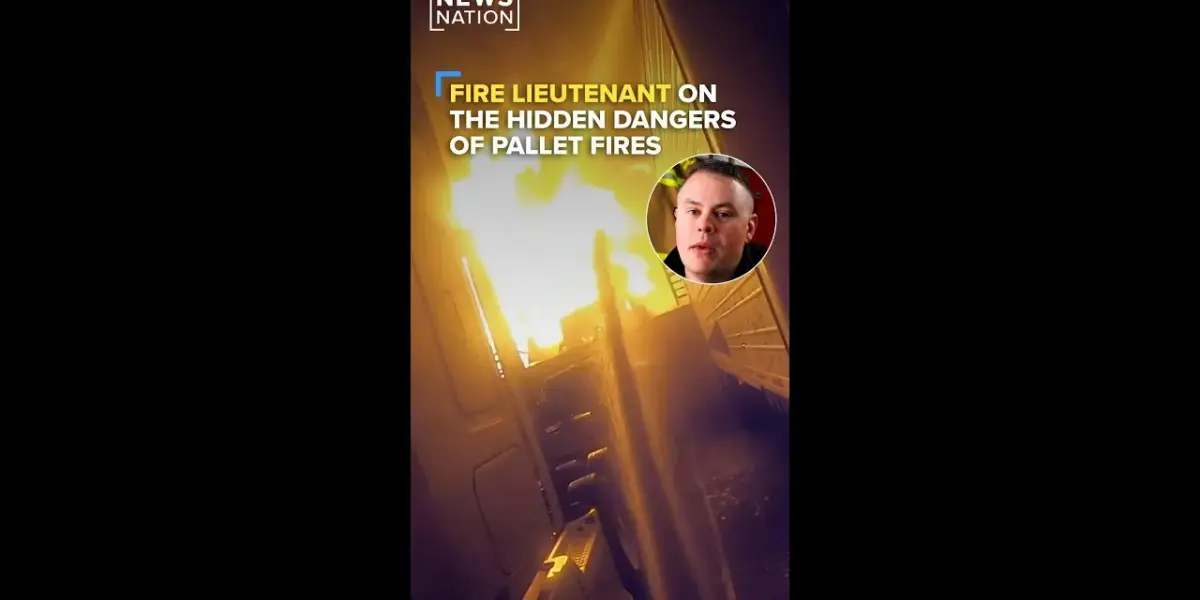
California’s Pallet Fire Crisis Escalates
Massive fires are breaking out in Southern California, turning industrial areas, pallet yards, and lumber storage into towering infernos. These aren’t just ordinary fires; they are industrial blazes that pose unique dangers. Firefighters face extreme challenges in these situations, as the sheer volume of flammable material creates a ‘limitless fuel load.’
The Nature of Pallet Fires
A fire lieutenant explains that pallet yard fires are significantly different from other types of fires. The main reason is the unlimited amount of fuel. Pallets, often made of wood, are stacked high, creating a vast source of material that can burn intensely for long periods. This creates a situation where firefighters must adopt a defensive strategy.
Firefighting Tactics Under Pressure
When faced with a large pallet fire, crews immediately go into a defensive posture. This means their main goal is to contain the fire within the yard itself. They work to prevent it from spreading to nearby buildings or other structures. Firefighters use multiple water lines, spraying water from different positions around the perimeter of the fire.
Additionally, they often deploy ladder trucks. These trucks shoot water from high above the flames. This ‘master stream’ helps to knock down the fire from a different angle. Seeing such a large fire can be intimidating, even for experienced firefighters. However, their training and focus remain on controlling the blaze and protecting surrounding areas.
Hidden Dangers and Economic Impact
While the visual spectacle of a towering inferno is dramatic, the hidden dangers are significant. These fires release toxic smoke and pollutants into the air. This can affect air quality for miles around, posing health risks to communities. The economic impact is also substantial. Pallets are crucial for shipping and logistics across many industries. The destruction of these materials disrupts supply chains. This can lead to shortages and increased costs for businesses and consumers.
Why This Reshapes the World Order
While this specific issue focuses on pallet fires in California, it highlights a larger global vulnerability. Modern economies rely on complex supply chains. These chains depend on the smooth movement of goods. Disruptions, whether from natural disasters, accidents, or industrial fires, can have far-reaching consequences. The resilience of these supply chains is becoming increasingly important. Countries and businesses are rethinking how they manage risks. They are looking for ways to ensure goods can still reach their destinations even when disruptions occur. This includes diversifying suppliers and finding alternative shipping methods.
Historical Context
Fires in industrial storage areas are not new. Throughout history, warehouses and storage facilities have been prone to fires due to the concentration of goods. However, the scale and frequency of some modern industrial fires, like those in large pallet yards, are exacerbated by current economic practices. The ‘just-in-time’ inventory system, for example, can lead to large amounts of goods being stored in concentrated areas. This increases the potential fuel load for any fire that might start.
Economic Leverage and Future Scenarios
The cost of fighting these fires and the loss of materials represent a direct economic drain. Insurance claims can be massive. Businesses may face higher operating costs if they need to replace destroyed inventory or invest in more fire-resistant storage. Looking ahead, there are a few possibilities. One is that increased fire incidents will lead to stricter regulations on storage facilities. This could mean better fire suppression systems and more spacing between stored materials. Another scenario is that companies will invest more in fire prevention technologies and training. They may also seek to decentralize storage to reduce the impact of any single incident. The most likely future involves a combination of these approaches as industries adapt to mitigate these growing risks.
Source: Fire lieutenant on the hidden dangers of pallet fires | American Inferno (YouTube)

Related Articles


Tariffs Hurt Small Businesses Despite Court Ruling
Small businesses continue to face rising costs due to tariffs, despite a Supreme Court ruling meant to halt them. Owner Nneka Christiane details how these tariffs increase her business expenses and create supply chain issues. The lack of recourse for compensation leaves many entrepreneurs struggling.
Oil Shock Hits China’s Plastic Hub: Prices Soar
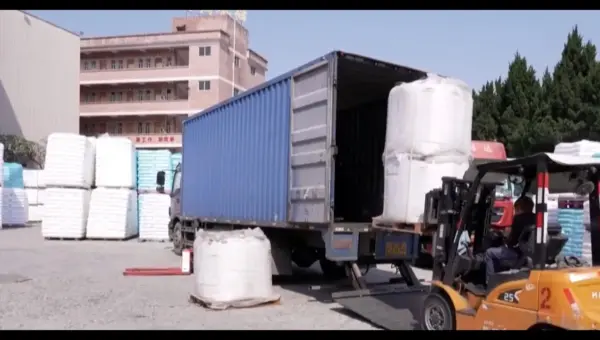
Rising oil costs due to Middle East tensions are causing plastic prices to soar in China's major plastic hub, Jang Muto. Businesses face shrinking profits and disrupted logistics, leading to panic buying and traffic gridlock. This highlights the global impact of oil prices on everyday products.


Fragile Iran Ceasefire Sparks Market Jitters
A fragile two-week ceasefire between the U.S. and Iran has offered a brief market reprieve, but underlying tensions and economic damage persist. Oil prices remain elevated, supply chains are disrupted, and the risk of renewed conflict looms large.