Palestinian Woman Recounts Year of Horrors in ICE Detention
Palestinian woman Laqaq Kurdia has detailed her horrific year spent in ICE detention, where she faced inadequate medical care, including a severe seizure, and was shackled to a hospital bed. Released without charges, Kurdia described the conditions as "horrific" and witnessed significant injustices against other detainees.

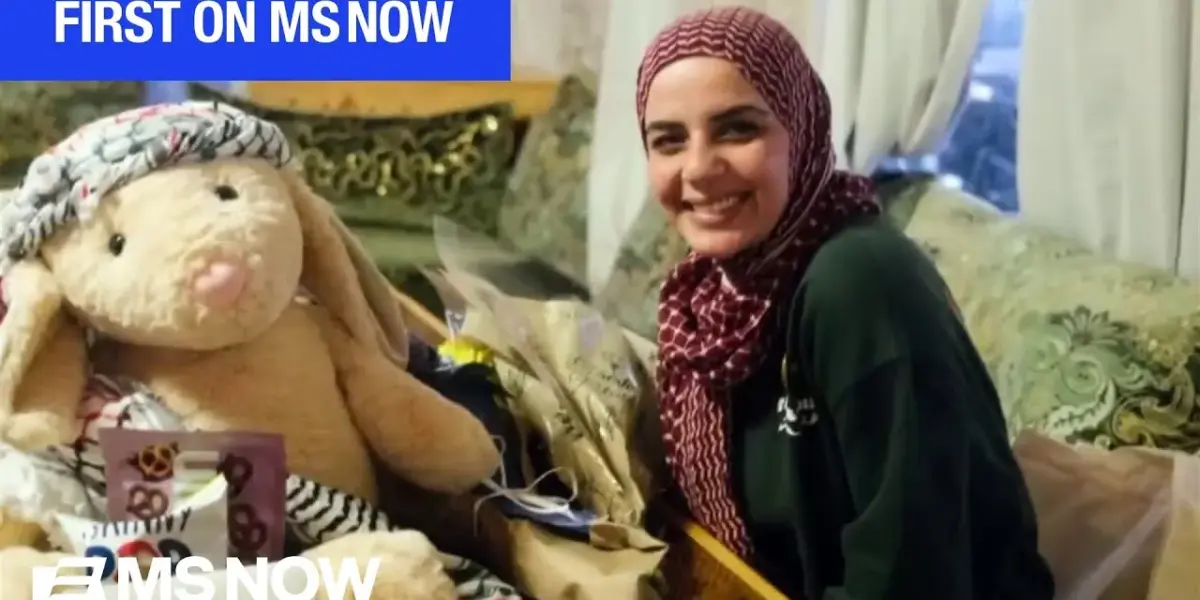
Palestinian Woman Recounts Year of Horrors in ICE Detention
A Palestinian woman named Laqaq Kurdia has shared her harrowing experience of being detained by U.S. Immigration and Customs Enforcement (ICE) for over a year. Detained in March 2024 following pro-Palestinian protests near Columbia University, Kurdia was held in Texas without ever being charged with a crime. She was finally released on March 16th, ending a prolonged period of confinement that she describes as “horrific” and deeply damaging to her physical and mental health.
Conditions in Detention
Kurdia’s account paints a grim picture of life inside the ICE detention center. She detailed a severe lack of adequate medical care, a critical issue that directly impacted her. “Medical care is horrible,” Kurdia stated, explaining that the facility lacked sufficient medical staff, even for basic needs. She recounted suffering her first-ever seizure while in detention.
A Traumatic Seizure and Hospitalization
The seizure left Kurdia severely weakened and terrified. She woke up in a medical unit, disoriented and scared. When she expressed feeling dizzy and unwell, she was taken to a hospital. However, her treatment there was far from comforting. For three days, Kurdia was shackled to a hospital bed, even when needing to use the bathroom or shower. She described the restraints not as handcuffs, but as heavy chains that caused her pain.
“I felt like an animal,” Kurdia said, describing her treatment. “Even animals have the right to be taken to see the vet for example, but I was just like thrown there.”
She pleaded with guards and a lieutenant to remove the chains, citing her pain and weakness, but her requests were denied. One guard’s chilling response was simply, “Because I said so.” Kurdia found herself feeling relieved to return to the detention center, as her hospital stay felt like torture.
Wider Injustices Witnessed
Beyond her personal suffering, Kurdia witnessed significant injustices affecting others within the detention system. She spoke of elderly individuals who had lived in America for most of their lives being detained for minor or no reasons, often arrested during routine check-ins. Many of these individuals expressed a deep longing to be with their families before they died.
The detention center also housed pregnant women and young people. Kurdia described seeing at least four pregnant women sleeping on thin mattresses with no special care or adequate nutrition. The food, which she and others called “dog’s food,” made their conditions even more difficult. She also recounted the arrest of a 16-year-old girl who was taken from her classroom in front of her classmates and teacher.
Impact on Health and Family Ties
The year in detention has had a profound and lasting impact on Kurdia’s health. “My physical, it’s destroyed,” she stated, explaining that she now requires heavy anti-seizure medication for at least two years. This ongoing health issue significantly affects her mental well-being, creating a cycle of anxiety and distress.
The separation from her family also took a heavy toll. Because Kurdia was detained in Texas and her family lived in New Jersey, visits were nearly impossible. Her elderly and sick mother could not travel the long distance. Even if family members had visited, they would have been separated by glass, unable to hug or hold her hand, making the prospect too painful to pursue.
Access to legal counsel was also challenging. While lawyer visitations were somewhat easier, they were frequently canceled without explanation. Even scheduled Zoom meetings with her legal team were sometimes abruptly cut short.
Government Response
Hours before Kurdia’s release, the Department of Homeland Security (DHS) issued a statement. The DHS maintained that the facts of her case had not changed, asserting that Kurdia was in the country illegally after violating the terms of her visa.
Looking Ahead
Kurdia’s release marks the end of a traumatic year, but her fight for justice and well-being continues. Her story sheds light on the harsh realities faced by many in ICE detention and raises critical questions about the treatment of immigrants and the conditions within these facilities. As Kurdia begins to heal and rebuild her life, attention will likely remain focused on the broader implications of immigration detention policies and the experiences of those caught within them.
Source: Palestinian protester shares HORRIFIC details from year in ICE custody: “I was chained” (YouTube)

Related Articles


Trump’s Iran Deportation Deal: Cruelty at Its Core
Reports reveal the Trump administration worked with Iran to deport asylum seekers, raising alarms about human rights and the integrity of asylum processes. This alleged deal prioritized strict immigration enforcement over the safety of individuals fleeing persecution.

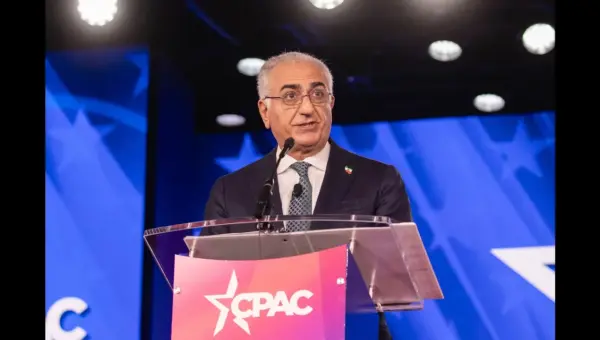
Iran’s Ex-Prince Vows ‘Make Iran Great Again’ at CPAC
Reza Pahlavi, Iran's former crown prince, spoke at CPAC, vowing to 'Make Iran Great Again' and detailing alleged atrocities by the current regime. His appearance sparks debate about his potential leadership role and the future of Iran.


Journalist Detained by ICE Speaks Out in First Interview
Journalist Estefany Rodriguez, who covered ICE for Nashville Noticias, has described her two-week detention as a traumatic experience where she felt treated like a criminal. She questions if her arrest was retaliation for her reporting, as she has an active asylum case and pending green card application. Her case raises concerns about the safety of journalists and the weaponization of the immigration system.