Palestinian-Syrian Director Sparks Controversy at Berlinale, Criticizing German Government’s Gaza Stance
Palestinian-Syrian director Abdullah al-Katib used his Berlinale award acceptance speech to criticize the German government's stance on Gaza, calling it a "partner in genocide." The speech sparked applause and heckling, with a German minister walking out in protest, highlighting the festival's political tensions.

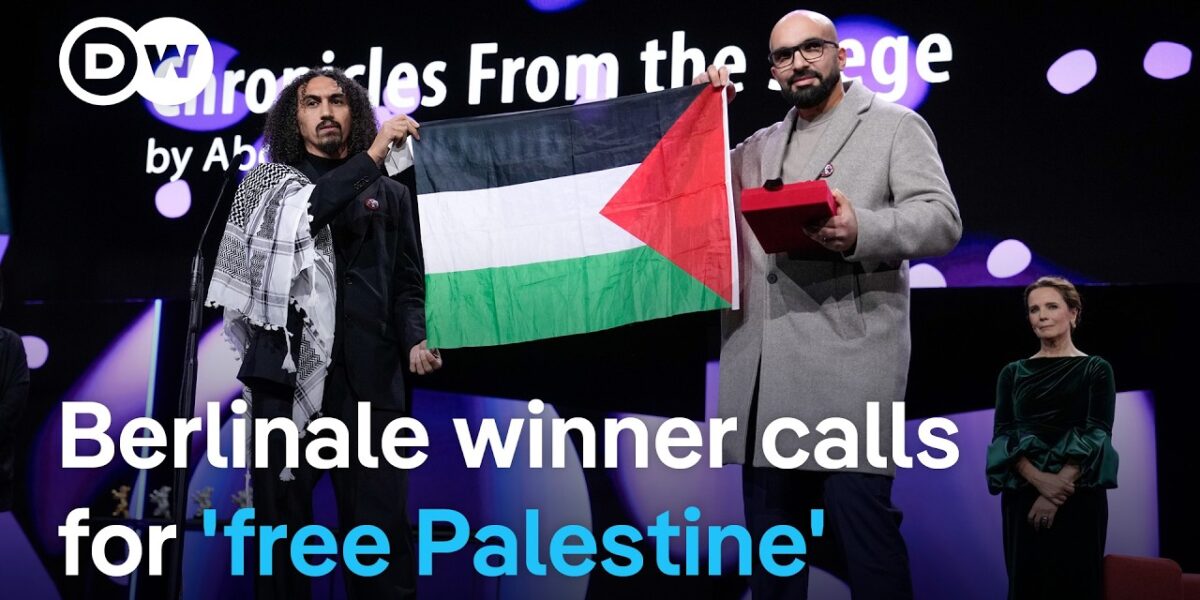
Berlinale Closes on a Political Note as Award Winner Condemns German Policy on Gaza
The 76th Berlin International Film Festival, affectionately known as the Berlinale, concluded its run this year with a decidedly political flourish. The prestigious event, typically a celebration of cinematic artistry, was cast into the spotlight when one of its award winners delivered a powerful denunciation of the German government’s position on the ongoing conflict in Gaza.
Abdullah al-Katib’s Triumph and Outspokenness
Abdullah al-Katib, a Palestinian-Syrian director, received the award for Best First Feature Film for his work, Chronicles from the Siege. This film, which delves into the lives of individuals enduring occupation, provided the backdrop for al-Katib’s impassioned acceptance speech. Seizing the opportunity afforded by the stage and microphone, al-Katib declared, “I’m so happy to get prize just because I get stage and I get megaphone and I can speak about Palestine. I can say free Palestine. I can speak about genocide in Gaza and I can speak about my people.” He emphasized the profound significance of having such a platform, stating, “So that’s mean for us a lot to find place to create stage to speak about Palestine everywhere.”
A Direct Challenge to Berlin
Matthew Moore, reporting from the studio, elaborated on the events that unfolded during the awards ceremony. He explained that al-Katib’s criticism was not merely a general statement but a direct accusation leveled against the German government. The director explicitly stated that he considered the German government to be a “partner in the genocide in Gaza.” This sentiment was underscored by his poignant remark, “We will remember everyone who stood by our side and we will remember everyone who was against us.” This declaration marked a starkly political moment on the closing night of the Berlinale.
The reaction within the venue was notably divided. While al-Katib’s speech was met with applause from a significant portion of the audience, it also elicited heckling. Adding a significant dimension to the political fallout, German Environment Minister Cem Özdemir, who was in attendance, reportedly walked out of the ceremony in protest of the speech. This action was not entirely unexpected, given a similar incident two years prior at the Berlinale where award recipients also raised concerns about the war in Gaza. Back then, senior German government officials had remained in their seats, choosing not to walk out. The contrast in response this year, with a minister making a public show of dissent, suggests a potentially pre-meditated decision, possibly following discussions on how to react to such political expressions.
Pre-existing Tensions and Artist Accusations
The controversy surrounding al-Katib’s speech highlighted underlying tensions that had been simmering throughout the festival. Even before the awards ceremony, complaints had emerged suggesting that the festival management was not adequately addressing its “political responsibility” in light of the events in Gaza. These accusations found a voice in an open letter signed by prominent figures in the film industry, including Tilda Swinton and Javier Bardem. The letter condemned what the signatories perceived as the festival’s “silence over the genocide of the Palestinian people.” Specifically, they targeted Wim Wenders, the director of the Berlinale, for allegedly not permitting what they considered “reasonable criticism of that war” to be voiced at the festival.
The German government, through its Culture Minister, firmly rejected these accusations. The minister asserted that the festival had not engaged in censorship and maintained its standing as a venue for “sensitive debate.” This response aimed to push back against allegations of a stifled discourse, insisting on the festival’s commitment to open discussion.
The German Government Dilemma: Funding vs. Freedom
The Berlinale’s relationship with the German government is deeply intertwined, with the state being a significant financial backer of the festival. This financial dependence creates a complex dynamic when political issues, particularly those sensitive to German foreign policy, arise. As Matthew Moore pointed out, the German government finds itself in a difficult position. While the Berlinale prides itself on artistic freedom and its history of providing a platform for political commentary – as seen in past instances addressing the war in Syria or Russia’s invasion of Ukraine – the current conflict in Gaza presents a far more complicated scenario for Berlin.
Germany’s staunch and unwavering alliance with Israel places the government in a delicate balancing act. Allowing unbridled criticism of Israel at a state-funded festival could be perceived as undermining this key alliance. Conversely, suppressing such criticism risks alienating artists and potentially compromising the festival’s reputation for artistic liberty and open dialogue. This inherent tension was palpable throughout the Berlinale, and the controversy surrounding al-Katib’s speech underscores the deeply divisive and sensitive nature of the issue. It is an issue that is unlikely to fade from public discourse anytime soon.
The incident at the Berlinale serves as a microcosm of the broader challenges faced by cultural institutions and governments in navigating the complex geopolitical landscape, particularly when artistic expression intersects with deeply held political beliefs and international relations. The festival, intended as a celebration of global cinema, became an unexpected stage for a potent political statement, highlighting the ongoing struggle to balance artistic freedom with national interests and international solidarity.
Source: Berlinale award winner criticizes Germany over its Gaza stance | DW News (YouTube)

Related Articles
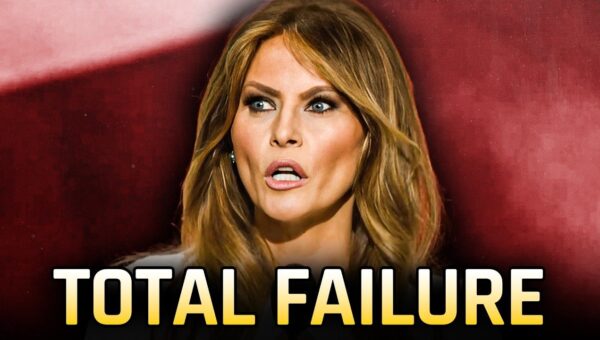
Melania Documentary Producer Blames Politics for Flop
A producer for a Melania Trump documentary has voiced frustration over the film's struggles, blaming political objections for denied music rights from artists like Prince and Guns N' Roses. Mark Beckman cited that musicians' estates refused to associate their work with Donald Trump, despite claims the film was not political.
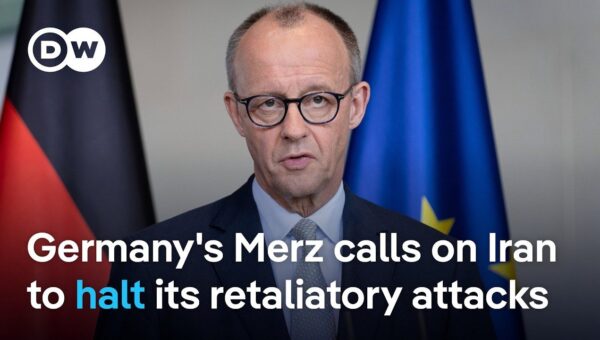
Germany on US-Israel Strikes: No “Lecturing” Partners
Germany's Chancellor Scholz calls on Iran to end its attacks and nuclear program but refrains from "lecturing" US-Israel on international law regarding recent strikes. Berlin increases security for Jewish institutions amid fears of retaliation.


Germany’s Fake Laws: AI Disinformation Campaign Exposed
Viral AI-generated videos falsely claim Germany has enacted absurd laws, including fines for flushing toilet paper. Experts reveal a disinformation campaign aiming to portray Germany as chaotic, with potential commercial or political motives behind the fabricated content.