Pakistan’s Peace Pitch: A Risky Gambit for US-Iran Diplomacy?
Pakistan's offer to host US-Iran peace talks is viewed as ironic by analysts, given the nation's own complex regional history. The move highlights the difficulty in direct communication between Washington and Tehran and could reshape Pakistan's international role if successful.

Pakistan’s Peace Pitch: A Risky Gambit for US-Iran Diplomacy?
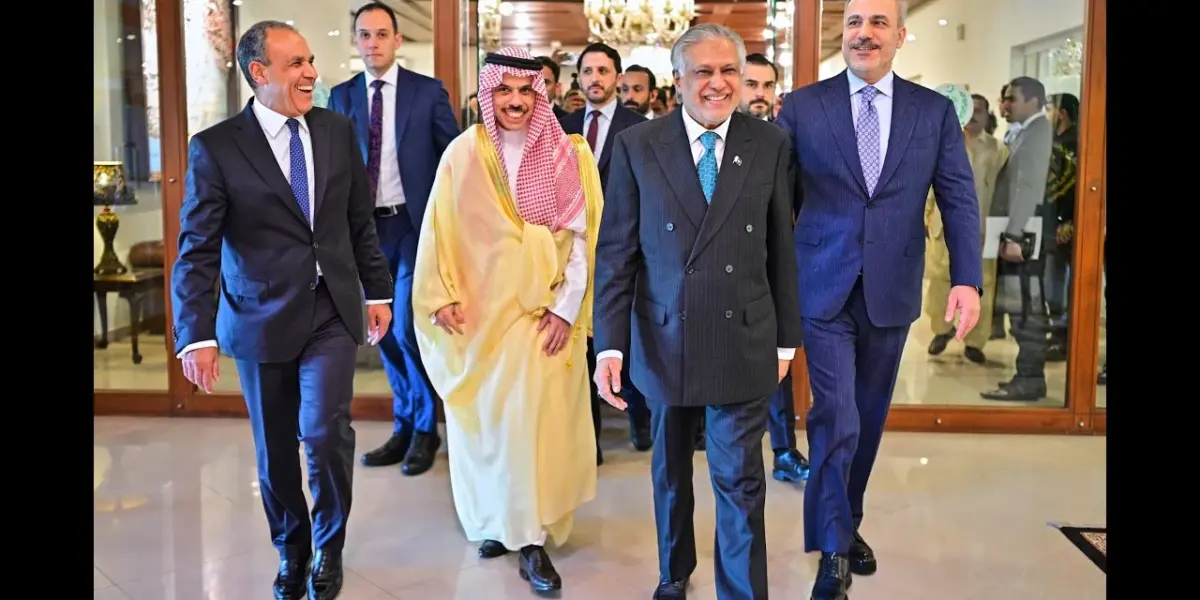
Pakistan has stepped forward with an offer to host talks aimed at easing tensions between the United States and Iran. This move, coming from a nation with its own complex history and regional challenges, has raised eyebrows and sparked debate among analysts. The idea of Pakistan facilitating such a crucial dialogue is seen by some as deeply ironic, given its own past involvement in regional conflicts and its unique relationship with both the US and Iran.
A Complex Diplomatic Offer
The proposal for Pakistan to host these peace talks comes from a retired U.S. Marine Colonel and former diplomat, Grant Newsham. He points out the inherent irony in Pakistan taking on this role. For decades, Pakistan has been a significant player in the geopolitical landscape of South Asia and the Middle East. It has maintained diplomatic ties with both Washington and Tehran, a delicate balancing act that has defined much of its foreign policy.
Newsham’s perspective suggests that while Pakistan has the geographical proximity and historical ties to engage with Iran, its own internal stability and past actions might complicate its role as a neutral mediator. Hosting such talks would require a high degree of trust from all parties involved, particularly from the United States, which has had a long and often strained relationship with Pakistan.
Historical Context: A Region in Flux
To understand the significance of this offer, it’s helpful to look back at the history of US-Iran relations. Since the 1979 Iranian Revolution, direct diplomatic channels between the two nations have been severely limited. The US has imposed various sanctions on Iran, and tensions have often flared over issues like Iran’s nuclear program and its regional influence.
Pakistan, meanwhile, has historically sought to maintain a balanced approach. It shares a long border with Iran and has significant cultural and economic ties. At the same time, Pakistan has been a key ally of the United States, particularly during the Cold War and the post-9/11 era. This dual relationship puts Pakistan in a unique position, but also one fraught with potential pitfalls.
The ‘Ironic’ Element: Why Pakistan?
The core of the analyst’s concern lies in the word “ironic.” This isn’t just a casual observation; it points to deeper questions about Pakistan’s suitability and credibility as a peacemaker in this specific context. For years, Pakistan has been involved in complex regional dynamics, including its own security challenges and its relationship with neighboring Afghanistan.
Newsham’s analysis suggests that while Pakistan might have the practical means to convene a meeting, the trust required for genuine de-escalation might be missing. For the US, relying on Pakistan to mediate with Iran could be seen as counterintuitive, given the historical complexities of their own bilateral relationship. It’s like asking a friend who has had disagreements with both parties in a dispute to help them sort things out – they might have insight, but their own history could cloud their impartiality.
Potential Benefits and Risks
If successful, Pakistan hosting these talks could offer significant benefits. It could provide a much-needed platform for dialogue, potentially reducing the risk of miscalculation and conflict in a volatile region. For Pakistan, it could boost its international standing and demonstrate its commitment to regional stability.
However, the risks are substantial. A failed attempt at mediation could worsen existing tensions. Furthermore, if the talks are perceived as not being genuinely neutral, they could undermine Pakistan’s own diplomatic credibility. The US might be hesitant to engage fully if it believes Pakistan is leaning too heavily towards Iran’s interests, or vice versa.
Why This Matters
The US-Iran relationship is a critical factor in global security. Any steps towards de-escalation can have ripple effects across the Middle East and beyond. The involvement of a third-party mediator, even one with perceived ironies, highlights the difficulty of direct communication between these two nations.
Pakistan’s offer also sheds light on the evolving role of middle powers in international diplomacy. As global powers grapple with complex challenges, countries like Pakistan may seek to carve out a more significant role on the world stage by facilitating dialogue. This could become a more common diplomatic strategy in the future.
The Future Outlook
Whether Pakistan’s offer will lead to concrete talks remains uncertain. The success of such an initiative would depend heavily on the willingness of both the US and Iran to engage in good faith, and on Pakistan’s ability to act as a truly impartial host. The path to de-escalation is rarely straightforward, and this particular diplomatic overture is no exception.
The situation calls for careful consideration by all parties. It underscores the persistent challenges in US-Iran relations and the complex, often ironic, ways in which international diplomacy unfolds. The world will be watching to see if Pakistan can indeed bridge this significant divide.
Source: ‘Ironic’ That Pakistan Should Offer to Host US–Iran Peace Talks: Analyst (YouTube)

Related Articles
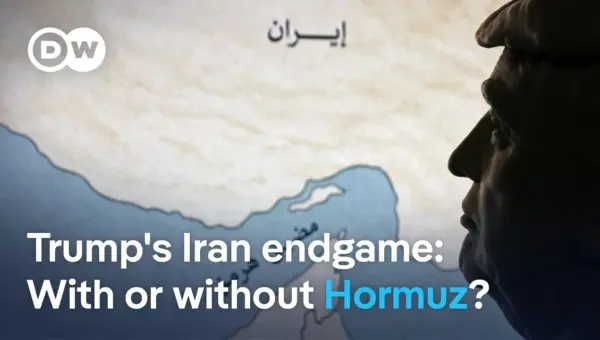
US Weighs Iran Strategy: Hormuz Strait’s Fate Uncertain
The United States is reportedly reconsidering its strategy in the Iran conflict, potentially willing to end hostilities even if the Strait of Hormuz remains closed. This critical oil choke point's closure has trapped thousands of vessels, causing global economic disruption and raising questions about U.S. war objectives. Military action remains a strong possibility to reopen the vital waterway.


Hegseth Undermines Trump’s War Plans Daily
Pete Hegseth, Trump's Secretary of Defense, is reportedly undermining the former president's stated war plans with Iran. Conflicting timelines, shifting objectives, and ethical questions surrounding financial dealings create significant uncertainty. This situation highlights the challenges of clear communication and strategic consistency in national security.
Oil Shocks Fuel Recession Fears, Markets Wobble
Soaring oil prices are rattling global markets, pushing major indices toward correction territory and sparking fears of a recession. Experts warn that prolonged energy shocks, particularly concerning the Strait of Hormuz, could severely impact economic growth. Investors are advised to maintain diversified portfolios and cash buffers.