Pakistan’s JF-17 Jet Sparks Billions in Arms Deals
Pakistan's JF-17 Thunder fighter jet is now the subject of billion-dollar arms deals, offering a potential economic lifeline and reducing reliance on IMF support. The combat-tested jet, a Pakistan-China joint venture, is priced competitively, making it attractive to international buyers. However, Pakistan faces the challenge of scaling production to meet demand and fulfill export orders.

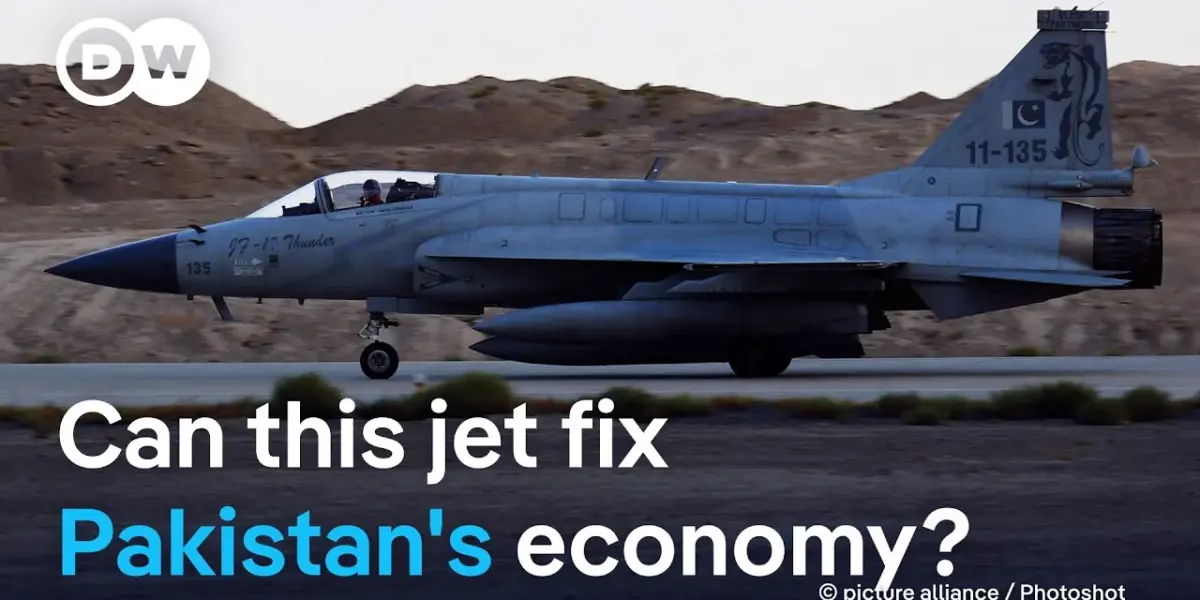
Pakistan’s JF-17 Thunder Jet Emerges as Major Arms Export
Once overlooked, Pakistan’s JF-17 Thunder fighter jet is now at the center of multi-billion dollar international deals. This development signals a significant shift for Pakistan, a nation traditionally known for textiles and agriculture, as it aims to establish itself as a prominent arms exporter. The potential revenue from these deals could reshape Pakistan’s economy and reduce its reliance on international financial aid.
A New Lifeline for Pakistan’s Economy?
Pakistan’s economy has faced significant challenges, with its use of International Monetary Fund (IMF) credit rising sharply in recent years. The JF-17 Thunder program offers a potential solution. Following the Ideas Defense Exhibition in 2024, Pakistan announced numerous memorandums of understanding for the jet. If these agreements convert into actual contracts, they could generate up to $30 billion. This figure represents a substantial opportunity to offset Pakistan’s financial obligations and lessen its dependence on IMF support, a feat difficult to achieve through other industrial sectors.
The Pakistan-China Joint Venture
The JF-17 Thunder is a product of a joint venture between Pakistan and China, manufactured by the Pakistan Aeronautical Complex. While the jet proudly carries Pakistan’s branding, its origins are deeply intertwined with Chinese design and manufacturing. The initial prototypes and subsequent testing of new features, such as advanced engines or radar systems, have consistently taken place in China. Furthermore, a significant number of components are supplied by China. This close collaboration means that Pakistan requires China’s approval to export the aircraft, highlighting the shared nature of the project.
Global Reach and Competitive Pricing
Pakistan has already successfully exported the JF-17 to Nigeria and Myanmar. The country is actively engaged in discussions with potential buyers including Indonesia, Bangladesh, Libya, and Sudan. The most significant deal to date is with Azerbaijan, a $4.6 billion package that includes 40 JF-17 Thunderjets. While this averages out to roughly $115 million per jet, the actual reported price for the JF-17 is considerably lower, estimated at $30 to $40 million per unit. This makes it a highly competitive option compared to many Western fighter jets. For context, a recent deal between India and France for 26 Rafale jets, including support and training, amounted to about $285 million per aircraft. It is important to note that these larger package deals often include not only the aircraft but also support systems, weaponry, spare parts, and extended training, the specifics and duration of which are not always publicly disclosed.
Combat Credibility Boosts Appeal
Beyond its attractive price point, the JF-17 Thunder’s appeal is enhanced by its combat credibility. This aspect gained significant attention following an armed conflict between India and Pakistan last year. Pakistan claimed to have shot down five Indian aircraft, including several advanced models, and a drone. Although India did not confirm these claims at the time, the engagement served as a powerful marketing tool for Pakistan’s defense industry. The ability to market the JF-17 as a “combat-tested” weapon system provides a distinct advantage in the global arms market, where proven performance in real-world scenarios is highly valued. This combat effectiveness is a key differentiator compared to many other defense products available worldwide.
Challenges Ahead: Scaling Up and Delivery
Despite the significant interest and the substantial value of the announced deals, Pakistan faces the critical challenge of scaling up production and ensuring timely delivery of the JF-17 Thunder jets. Turning the numerous memorandums of understanding into firm contracts and then fulfilling those orders requires robust manufacturing capabilities and efficient logistics. The success of the JF-17 program hinges not only on securing international interest but also on the effective execution of these complex export agreements. The coming months will be crucial in determining whether Pakistan can translate the hype surrounding its “new money maker” into tangible economic benefits and a lasting position in the global defense market.
Source: Pakistan’s new money maker: The JF-17 Thunder | DW News (YouTube)

Related Articles


Ukraine Eyes Missile Production Boost
CBS correspondent Eden Stretch reports on Ukraine's growing role in defense manufacturing, particularly missile systems. She also details the resilience of Ukrainian families through a harsh winter and discusses the evolving perception of Ukraine as a strategic partner rather than a drain on U.S. resources.

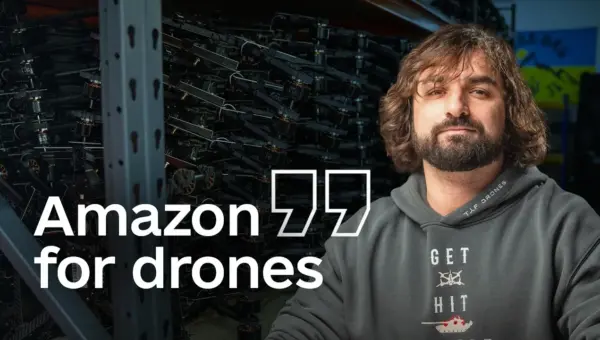
Ukraine’s Drone Industry Soars: A Digital Battlefield Marketplace
Ukraine's defense industry has rapidly evolved, creating an "Amazon for drones" where military units order tailored equipment online. This rapid scaling, driven by wartime necessity and state support, has transformed companies like Taff Drones into major European producers.
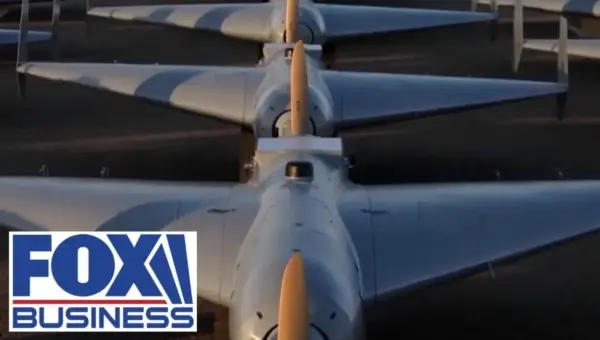
Pentagon Ramps Up Drone Production to Counter Adversaries
The Pentagon is prioritizing mass production of low-cost kamikaze drones, a strategic shift aimed at countering adversaries' cheaper munitions. This move leverages lessons from conflicts like Ukraine and signals a new era in modern warfare, emphasizing cost sustainability and American innovation in defense.