Pakistan-Taliban Ties Strain Amid Border Clashes, Militant Surge
Pakistan and the Afghan Taliban's long-standing relationship is under severe strain due to escalating border clashes and a surge in militant violence within Pakistan. Islamabad blames the Afghan Taliban for harboring the Pakistani Taliban (TTP), a designated terrorist group, leading to retaliatory air strikes and reciprocal accusations.

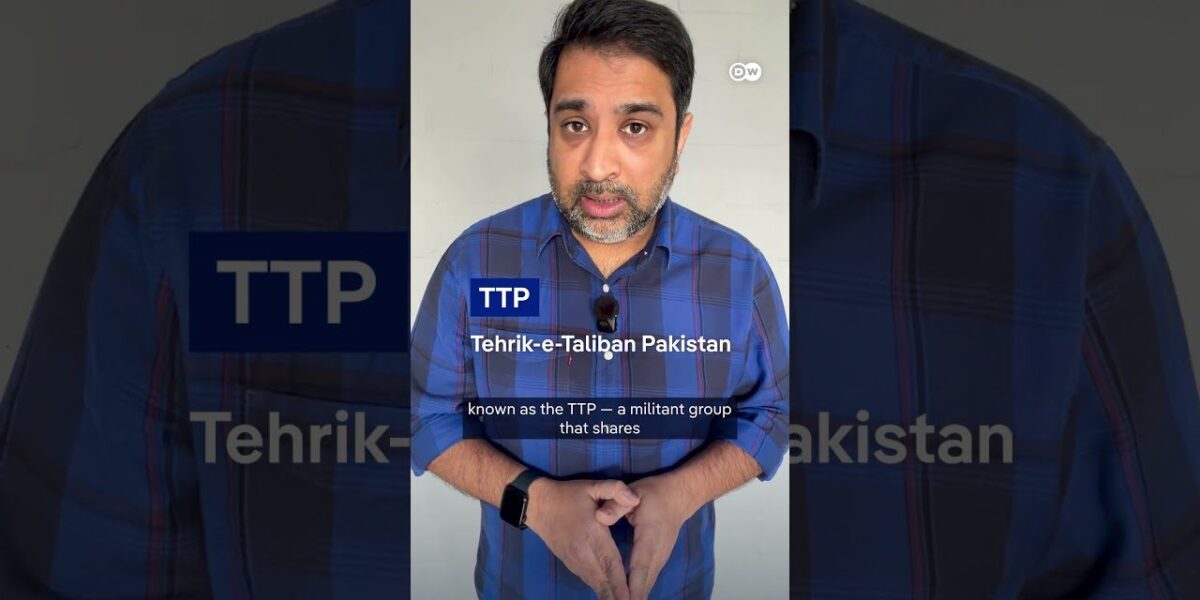
Pakistan-Afghan Taliban Relations Reach Critical Juncture
Islamabad, Pakistan – The long-standing, complex relationship between Pakistan and the Afghan Taliban has reached a critical juncture, marked by escalating border tensions, a surge in militant violence within Pakistan, and reciprocal accusations. Once close allies who supported the Taliban’s rise to power, the two entities are now locked in a volatile dynamic, with a fragile peace threatened by deep-seated grievances and security concerns.
A History of Support, A Shift in Dynamics
Pakistan has historically been a key supporter of the Afghan Taliban, recognizing its first government in the mid-1990s and maintaining significant influence through political and mediation efforts. This relationship, however, has fundamentally shifted following the US withdrawal from Afghanistan in 2021 and the subsequent Taliban takeover of Kabul. The return of the Taliban to power inadvertently emboldened anti-Pakistan militant groups, leading to a significant increase in terrorist activities inside Pakistani territory.
The TTP: Pakistan’s Primary Grievance
At the heart of Pakistan’s current frustration is not necessarily the Afghan Taliban leadership, but the Tehrik-i-Taliban Pakistan (TTP), also known as the Pakistani Taliban. While ideologically aligned with their Afghan counterparts, the TTP is a distinct entity designated as a terrorist organization by the United Nations and Pakistan. The TTP primarily targets Pakistani state forces, but attacks against state-affiliated civilians have risen sharply since 2023. Islamabad alleges that the TTP and other militant factions are utilizing Afghanistan as a safe haven from which to launch attacks into Pakistan, a claim vehemently denied by Afghan authorities.
“Islamabad says the TTP and other militant groups use Afghanistan as a safe haven while launching attacks inside Pakistan. Double denies this.”
Escalating Border Clashes and Air Strikes
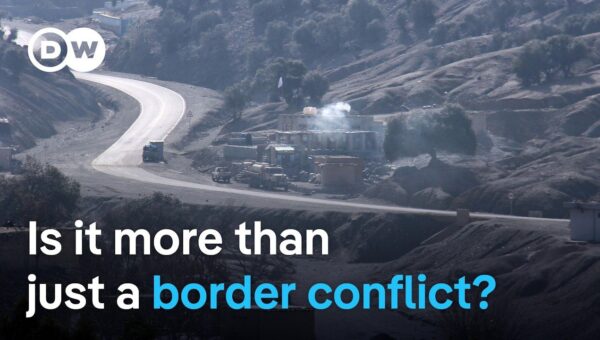
Since October 2025, Pakistan and Afghanistan have engaged in sporadic exchanges of fire stemming from security disagreements, resulting in reported casualties and property damage on both sides. The most recent significant escalation occurred after Pakistan conducted air strikes in Afghanistan’s Nangarhar and Paktika provinces. Afghan officials and witnesses reported that the strikes resulted in the deaths of women and children. Pakistan, however, maintained that its targets were militants responsible for recent suicide bombings, including a devastating mosque bombing in the Pakistani capital.
These retaliatory actions have triggered a cascade of negative consequences, including border closures, heightened military alerts, and a barrage of reciprocal accusations between Kabul and Islamabad. The fragile security situation has been further destabilized, raising fears of a broader regional conflict.
Failed Ceasefire and the Path Forward
Attempts to de-escalate the situation through negotiations mediated by Qatar and Turkey have so far proven unsuccessful. A fragile ceasefire brokered by these international partners collapsed within days, underscoring the deep mistrust and the difficulty of finding common ground. Despite the setbacks, both Pakistan and the Afghan Taliban leadership have publicly expressed a desire to avoid a full-scale war, recognizing the potentially devastating consequences for the region.
The current state of affairs highlights a deeply intertwined yet increasingly adversarial relationship. Decades of shared history and ideological links are now being overshadowed by immediate security threats and a contested border. The future of this complex relationship hinges on the ability of both sides to establish a stable truce and address the root causes of the ongoing violence. Without effective de-escalation and a commitment to lasting peace, the current tense equilibrium could rapidly deteriorate, leading to further instability.
What to Watch Next
Attention will remain focused on the effectiveness of international mediation efforts and whether Pakistan and the Afghan Taliban can move beyond reciprocal accusations to implement sustainable security arrangements. The actions of the TTP and the Afghan Taliban’s willingness and ability to curb their activities within Afghan territory will be crucial. Any further border incidents or significant militant attacks could quickly reignite hostilities, making the pursuit of a lasting de-escalation paramount for regional stability.
Source: Pakistan and the Afghan Taliban — a complex relationship | DW News (YouTube)

Related Articles

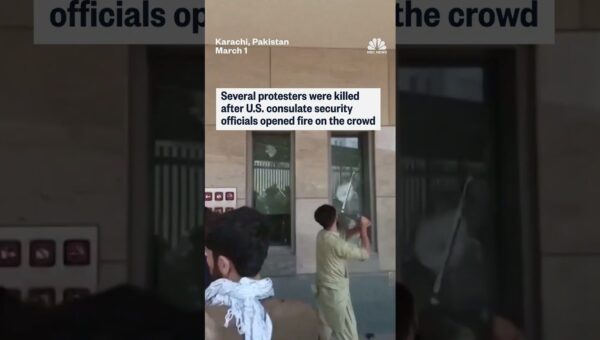
Protesters Storm Pakistan Consulate Amid Outrage Over Gaza Conflict
Protesters stormed the U.S. Consulate in Karachi, Pakistan, Friday, breaching its perimeter amid outrage over the ongoing conflict in Gaza. The demonstration saw extensive vandalism and anti-U.S. and anti-Israel chanting, highlighting the deep anger felt across the nation regarding the Middle East crisis.
Pakistan Strikes Afghanistan in Major Border Escalation
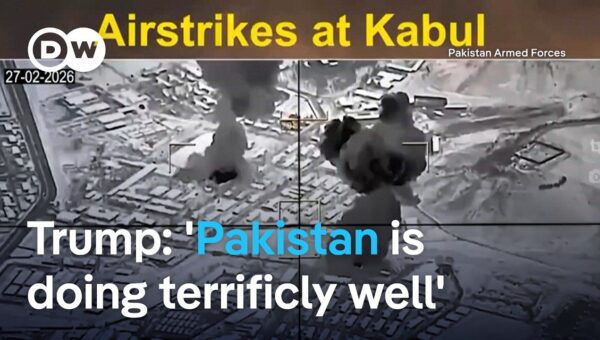
Pakistan has launched airstrikes against Afghanistan, targeting cities including Kabul, in a major escalation of border tensions. Islamabad accuses the Taliban of harboring militants responsible for attacks within Pakistan. The situation has been described as "open war," with analysts warning of renewed regional instability.
Pakistan Bombs Afghanistan in Major Border Escalation
Pakistan has launched significant airstrikes across Afghanistan, targeting cities including Kabul, in a major escalation of border tensions. Citing accusations of Afghanistan harboring militants, Pakistan's defense minister declared "open war." The conflict has displaced civilians and prompted calls for de-escalation amid complex regional security dynamics.