Pakistan-Taliban Border Clashes Escalate: ‘A State of War’
Pakistan has launched air strikes in Afghanistan targeting Taliban bases, escalating a long-standing border dispute. An expert described the situation as 'open war,' raising fears of wider regional instability in a nuclear-armed zone. International mediation efforts are underway amid deep-seated historical grievances over the Durand Line.

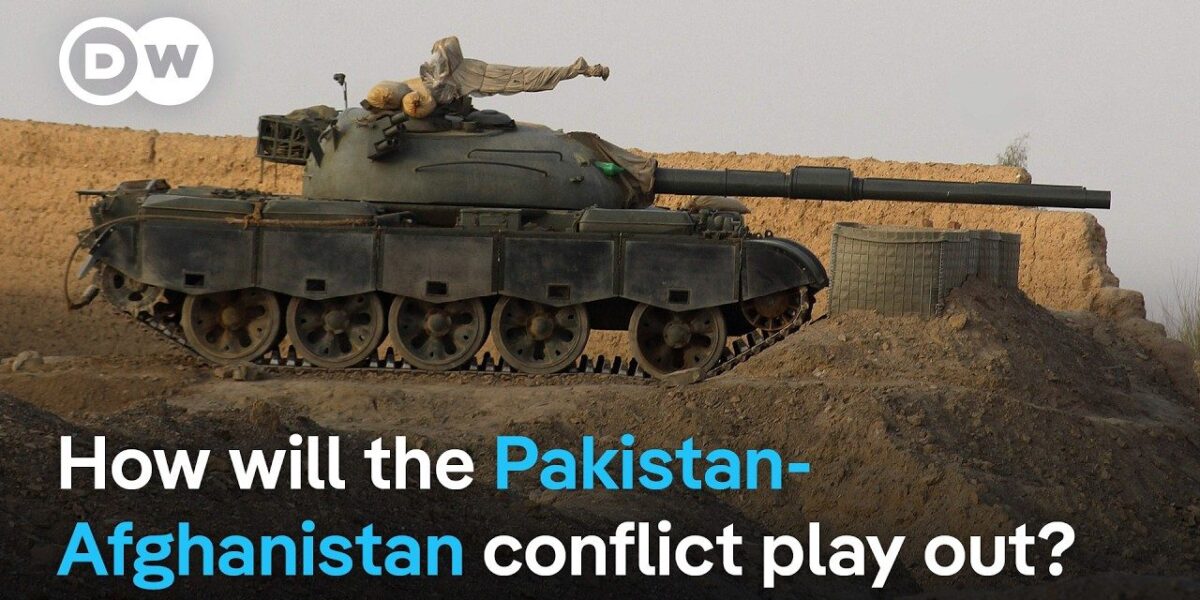
Pakistan Launches Air Strikes in Afghanistan Amid Border Tensions
The long-simmering border dispute between Pakistan and Afghanistan has dramatically escalated, with Pakistan’s defense minister declaring a state of “open war” between the two nations. The Pakistani military confirmed carrying out early morning air strikes inside Afghanistan, reportedly targeting dozens of Afghan Taliban fighters and their bases in Kabul, Kandahar, and Paktia regions. In response, the Taliban claims its forces have launched retaliatory drone attacks against Pakistani military installations.
Expert Analysis: Why Now and The Risk of Wider Conflict
Professor Michael Simple, an expert from the Institute for Global Peace, Security, and Justice at Queens University Belfast, described the situation as a “very serious escalation.” He attributes the immediate trigger to the continuing insurgency within Pakistan, which Islamabad blames on the Afghan Taliban. A recent string of suicide bombings in Pakistan has been met with direct Pakistani military action against militants operating from Afghan soil, a tactic seen previously. However, this latest move marks a significant shift, with Pakistan directly targeting bases of the Afghan Taliban, not just Pakistani militants hiding there.
“When you have one country attacking the other country’s army in its own country, that’s a war.”
Professor Simple highlighted the grave implications of this escalation in a nuclear-armed region. He noted that for years, international policymakers were primarily concerned about Pakistan’s stability, viewing Afghanistan as a secondary issue. Now, both nations face destabilization. The Afghan Taliban, he suggests, have been preparing for such a conflict for years, investing in underground facilities and demonstrating no intention of backing down. “In a sense perhaps they’re quite happy to be in a state of war. They’re a military movement,” Simple observed.
Military Capabilities: A Dangerous Stalemate
When comparing the military capabilities of the two sides, Professor Simple indicated that while Pakistan possesses superior conventional military might, including its air force, the Afghan Taliban are adept at guerrilla warfare and have a proven ability to sustain damage. The Taliban also benefits from dangerous supporters within Pakistan, enabling them to potentially destabilize the country from within. “The bombardment last night is water off a duck’s back for the Taliban,” he stated. Conversely, the Taliban has decades of experience fighting against conventional military assets, making a decisive victory for either side unlikely. “It’s difficult to see how it deescalates because neither side can actually win,” Simple concluded.
De-escalation Efforts and Regional Diplomacy
International mediators, including Russia, China, Turkey, and Saudi Arabia, are reportedly attempting to de-escalate the conflict and restore a ceasefire. However, Professor Simple expressed skepticism about the immediate prospects for success. He believes it will be challenging to persuade Pakistan that the Taliban is serious about providing assurances, especially given the continued rise in violence within Pakistan, which Pakistan’s intelligence services attribute to the Taliban’s ongoing support for anti-state militants.
The Durand Line: A Colonial Legacy Fueling Conflict
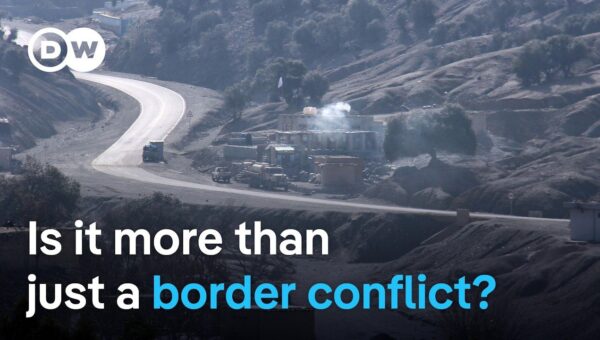
DW reporter Shristy Mangal Pal explained that the core of the disagreement lies in the Durand Line, a colonial-era border established by British civil servant Sir Mortimer Durand. This roughly 2,600 km border divides Afghanistan and Pakistan but has never been formally recognized by successive Afghan governments. The line cuts through Pashtun communities, who reside on both sides, disrupting their traditional way of life and access to shared resources. Pakistan has been fencing and fortifying the border, which it argues is necessary to prevent militants from crossing. Afghanistan, however, views this as an encroachment and a violation of sovereignty.
Civilian Impact and Geopolitical Stakes
The brunt of this escalation is expected to be borne by civilians. Many Pashtun communities find themselves caught between the two states, facing insecurity and restricted trade. With reports of casualties on both sides, including an estimated 228 on the Afghan side and 12 on the Pakistani side following the recent strikes, the lack of comprehensive data on civilian casualties is concerning. There are also questions about the availability of evacuation plans and adequate medical facilities for those affected.
Global powers are also watching closely. China, a major investor in both Pakistan (through the China-Pakistan Economic Corridor) and Afghanistan, has expressed deep concern and offered to mediate. Instability threatens China’s multi-billion dollar investments, particularly in projects targeted by militant groups. Beijing has invested heavily in Afghanistan’s infrastructure and institutions since the Taliban’s takeover, and further conflict could jeopardize these efforts.
Looking Ahead: What to Watch Next
Professor Simple outlined key indicators for future developments. He advised monitoring signs of whether the Afghan Taliban will genuinely cease supporting Pakistani militant groups or instead intensify their backing. Conversely, he suggested watching whether Pakistan will leverage its influence by stepping up support for armed opposition groups within Afghanistan, potentially leading to a competitive proxy war.
Source: 'That's a war' Afghanistan expert on the escalations between Pakistan and the Taliban | DW News (YouTube)

Related Articles

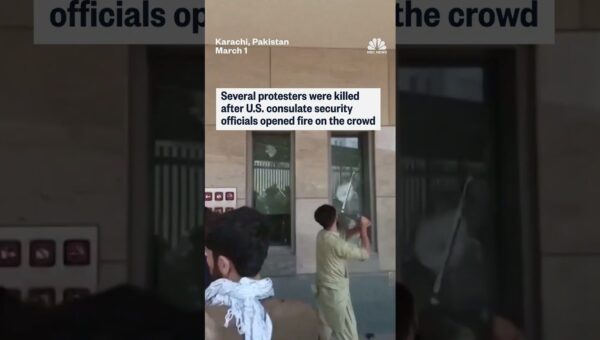
Protesters Storm Pakistan Consulate Amid Outrage Over Gaza Conflict
Protesters stormed the U.S. Consulate in Karachi, Pakistan, Friday, breaching its perimeter amid outrage over the ongoing conflict in Gaza. The demonstration saw extensive vandalism and anti-U.S. and anti-Israel chanting, highlighting the deep anger felt across the nation regarding the Middle East crisis.
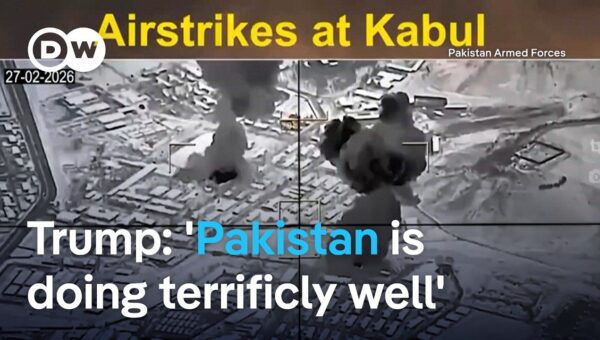
Pakistan Strikes Afghanistan in Major Border Escalation
Pakistan has launched airstrikes against Afghanistan, targeting cities including Kabul, in a major escalation of border tensions. Islamabad accuses the Taliban of harboring militants responsible for attacks within Pakistan. The situation has been described as "open war," with analysts warning of renewed regional instability.
Pakistan Bombs Afghanistan in Major Border Escalation
Pakistan has launched significant airstrikes across Afghanistan, targeting cities including Kabul, in a major escalation of border tensions. Citing accusations of Afghanistan harboring militants, Pakistan's defense minister declared "open war." The conflict has displaced civilians and prompted calls for de-escalation amid complex regional security dynamics.