Pakistan Strikes Afghanistan: Open War Declared Amid Border Clashes
Pakistan has launched airstrikes on cities in Afghanistan, including Kabul, with its Defense Minister declaring "open war." The escalation follows recent cross-border attacks and long-standing accusations of harboring militants. Both nations report high casualties amid deepening tensions.

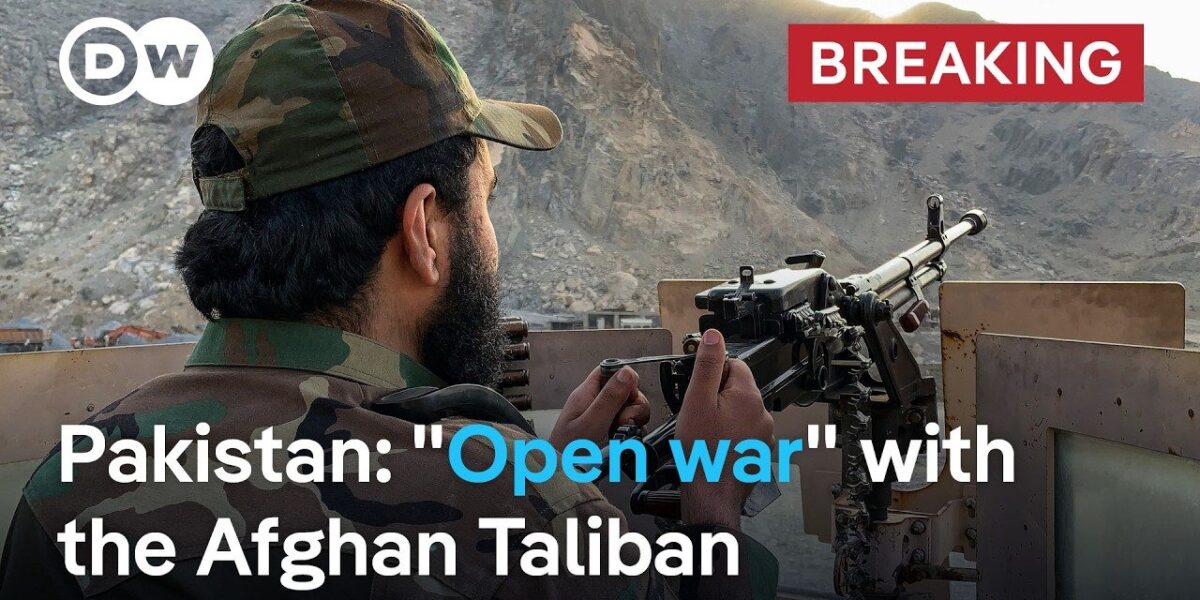
Pakistan Launches Airstrikes on Afghan Cities, Declares “Open War”
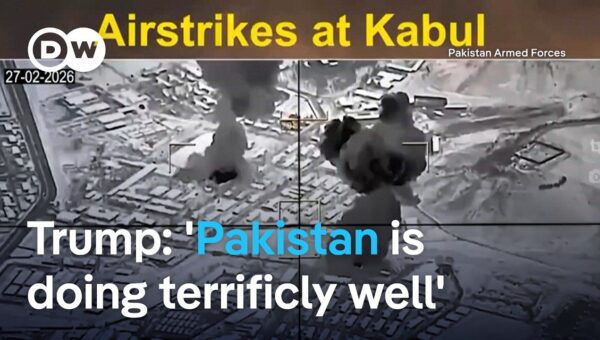
Pakistan has launched significant airstrikes targeting cities in Afghanistan, including the capital Kabul, in a dramatic escalation of tensions between the two neighboring nations. Pakistan’s Defense Minister has declared “open war” between the countries, following a series of cross-border attacks. The Pakistani military released footage purportedly showing strikes carried out in Kabul and other Afghan cities, with reports of ground operations also targeting Taliban positions. Both sides have reported a high number of casualties in the recent exchanges.
Roots of the Conflict: Terrorism and Border Tensions
The latest flare-up was reportedly triggered by an attack originating from Afghanistan in Pakistan’s Khyber Pakhtunkhwa border region. This incident has exacerbated long-standing tensions along the porous border. Pakistan has consistently accused Afghanistan of harboring militants who launch attacks on Pakistani soil. DW reporter Binish Javeed explained Pakistan’s position, stating, “Pakistan is saying that Pakistan is calling this recent Afghan attack as an unprovoked fire.” The Pakistani military claims to have responded with “immediate and effective response” and inflicted “huge damage on the Afghan side.”
“Open War” Rhetoric: A Deepening Crisis
Journalist Ifikar Ferdos, reporting from Islamabad, elaborated on the “open war” declaration. “It’s a buildup that’s been taking place since the Afghan Taliban actually came into power,” Ferdos noted. He identified the Tehrik-i-Taliban Pakistan (TTP), an affiliate of the Afghan Taliban with Pakistani origins, as a primary source of friction. The TTP has been responsible for numerous attacks against the Pakistani military and law enforcement agencies, seeking to expand its influence and carrying out attacks even in distant Pakistani cities.
Ferdos highlighted that recent escalations follow a period of persistent attacks on Pakistani territory, despite a negotiation process involving Qatar and Turkey aimed at de-escalating tensions. “After a 3 and a half months row, the attacks have not stopped on Pakistani territory,” he stated. The Defense Minister’s declaration follows previous statements and actions, including Pakistani jet strikes after the Afghan Taliban’s reaction to earlier incidents. Pakistan believes the Afghan Taliban leadership is providing logistical and material support to the TTP, enabling attacks within Pakistan.
Escalation and International Mediation
The situation has spiraled into a cycle of retaliatory actions. Following the Pakistani airstrikes on Kabul and Kandahar, the Taliban authorities reportedly stated they would retaliate. Ferdos described the situation as a “total logical circle,” emphasizing that this is not the first instance of Pakistani military action inside Afghanistan since the Taliban regained power. “Pakistan has carried out like jet bombings in Afghanistan five times. Some of it acknowledged, the rest of it being unacknowledged,” he reported.
The role of international mediators, including Qatar, Turkey, and Saudi Arabia, has been crucial in past de-escalations. However, as of the report, there was no immediate indication of intervention from these countries. “Where it goes from here actually depends on what friendly Muslim countries would do because they have been the one who have previously intervened and stopped these wars. We do not see any such communication from any of them for now that could actually come in and sort of be the arbiter,” Ferdos concluded.
Looking Ahead: A Fragile Border
The declaration of “open war” marks a significant and dangerous turn in Pakistan-Afghanistan relations. The ongoing cycle of attacks and counterattacks, fueled by the persistent issue of cross-border terrorism and differing interpretations of security threats, leaves the region in a state of heightened instability. The coming days will be critical in determining whether diplomatic channels can be reopened and if international pressure can prevent a full-blown conflict, or if the current trajectory leads to further devastating escalation.
Source: Pakistan bombs Taliban government targets in major Afghan cities | DW News (YouTube)

Related Articles

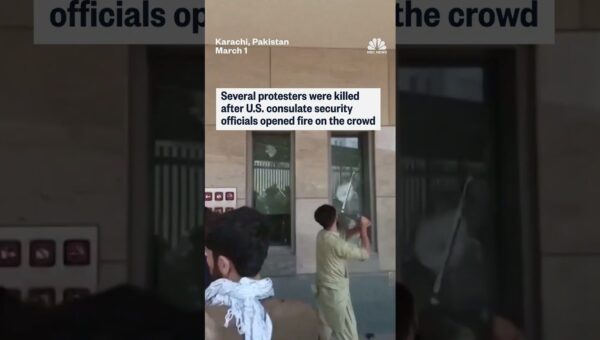
Protesters Storm Pakistan Consulate Amid Outrage Over Gaza Conflict
Protesters stormed the U.S. Consulate in Karachi, Pakistan, Friday, breaching its perimeter amid outrage over the ongoing conflict in Gaza. The demonstration saw extensive vandalism and anti-U.S. and anti-Israel chanting, highlighting the deep anger felt across the nation regarding the Middle East crisis.
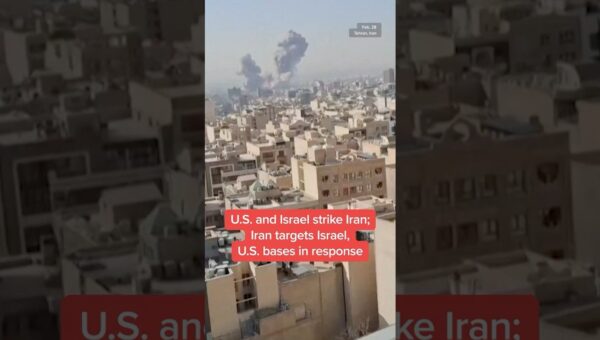
US and Israel Launch Airstrikes on Iran; Tehran Retaliates
The U.S. and Israel have conducted major airstrikes on targets across Iran, prompting a retaliatory response from Tehran. Iran reportedly targeted Israel and U.S. bases in the UAE and Bahrain. This escalation heightens regional tensions and raises concerns for global stability.
Pakistan Strikes Afghanistan in Major Border Escalation
Pakistan has launched airstrikes against Afghanistan, targeting cities including Kabul, in a major escalation of border tensions. Islamabad accuses the Taliban of harboring militants responsible for attacks within Pakistan. The situation has been described as "open war," with analysts warning of renewed regional instability.