Pakistan Seeks Iran Strike Delay Amidst Hostage Fears
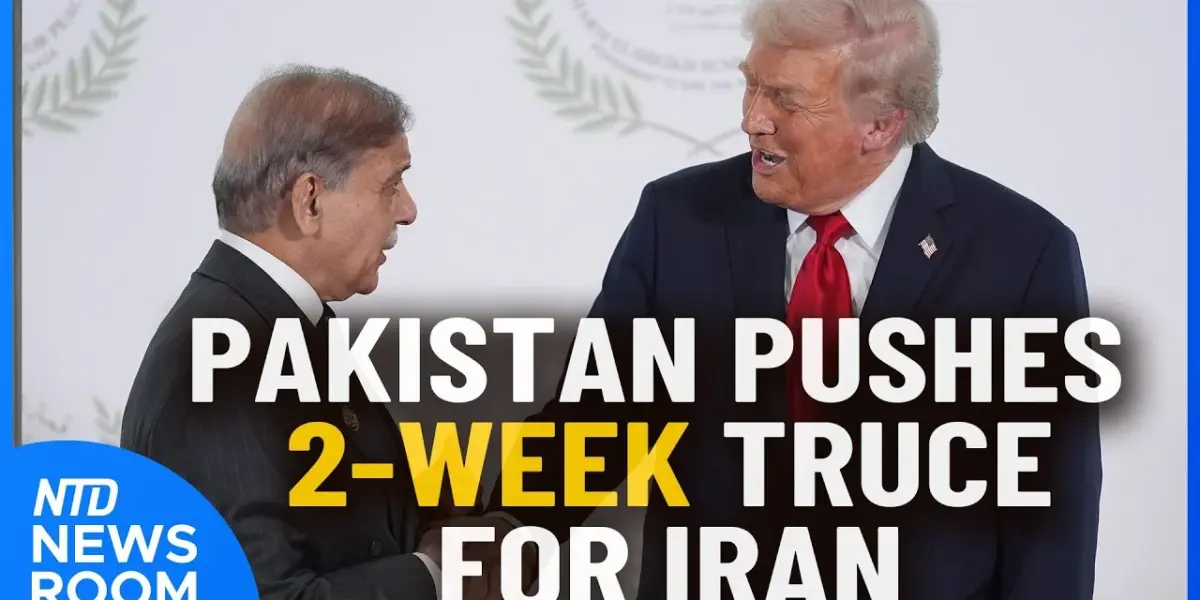
Pakistan's Prime Minister has reportedly requested Iran to postpone its planned military strikes, citing fears that Iranian forces might use Pakistani civilians as human shields. This urgent diplomatic move aims to protect lives and prevent further regional instability.

Pakistan Seeks Iran Strike Delay Amidst Hostage Fears
Pakistan’s Prime Minister has reportedly asked Iran to delay its planned military strikes. This request comes amid concerns that Iranian forces might use Pakistani civilians as human shields. The Pakistani government wants more time to ensure the safety of its citizens before any action takes place.
This situation highlights the delicate balance Pakistan must strike between regional security and protecting its own people. The potential for civilian casualties is a major worry. Iran’s actions are partly in response to alleged militant activity within Pakistan. However, the method and timing of any response are causing significant alarm.
Background of Tensions
Tensions between Iran and Pakistan have been rising. Iran accuses Pakistan of not doing enough to stop militant groups operating from its territory. These groups have reportedly carried out attacks inside Iran. Iran views these groups as a direct threat to its national security. The Islamic Revolutionary Guard Corps (IRGC) has stated its intention to target these groups.
However, the IRGC’s approach has raised serious questions. Reports suggest a desire to proceed with strikes quickly, potentially without full consideration for civilian lives. This has led to fears that the IRGC might deliberately put civilians in harm’s way. This tactic, if employed, would be a grave violation of international norms.
Pakistan’s Diplomatic Maneuvers
Pakistan’s Prime Minister has stepped in to de-escalate the situation. The request for a delay is a diplomatic move. It aims to open channels for dialogue and ensure that any Iranian action does not harm innocent Pakistanis. The government is likely working behind the scenes to address Iran’s security concerns while also safeguarding its population.
The urgency of the situation means that Pakistan needs to act swiftly. It must convince Iran that there are alternative ways to address the security threats. This could involve increased cooperation on border management or intelligence sharing. The goal is to prevent a conflict that could have devastating consequences for both countries.
The Human Shield Concern
The most alarming aspect of this developing story is the accusation that the IRGC might use human shields. This is a serious charge. It implies a disregard for human life and international law. Human shields are civilians placed in or near military targets to deter an enemy from attacking. This practice is widely condemned and considered a war crime.
If Iran proceeds with strikes while civilians are at risk, it could trigger a wider crisis. Pakistan would be forced to respond to protect its citizens. This could lead to direct conflict between the two neighboring nations. The international community would likely condemn such actions strongly.
Why This Matters
This situation is critical for several reasons. Firstly, it involves two nuclear-armed neighbors. Any escalation could have far-reaching and catastrophic consequences. Secondly, the potential use of human shields is a grave humanitarian concern. It raises questions about Iran’s respect for international law and human rights.
Thirdly, regional stability is at stake. A conflict between Iran and Pakistan could destabilize an already volatile region. This could impact global energy markets and create a refugee crisis. The international community has a vested interest in seeing this situation resolved peacefully.
Implications and Future Outlook
The outcome of this standoff will have significant implications. If Pakistan successfully negotiates a delay and ensures civilian safety, it would demonstrate effective diplomacy. It would also show a commitment to de-escalation. However, if Iran proceeds with its planned strikes regardless of Pakistani concerns, the relationship between the two countries will likely deteriorate further.
This could lead to increased border tensions, potential cross-border skirmishes, and a breakdown in diplomatic ties. It might also prompt international sanctions against Iran. The future outlook depends heavily on the choices made in the coming hours and days. Dialogue and a commitment to international law are essential to prevent further escalation.
Historical Context
Iran and Pakistan share a long border and have historically maintained complex relations. Both countries have faced internal security challenges, including the presence of militant groups. There have been periods of cooperation, but also recurring friction, particularly concerning border security and allegations of cross-border attacks.
Past incidents involving militant activities originating from Pakistani soil have led to diplomatic protests and sometimes retaliatory actions. However, a direct military confrontation between the two states has largely been avoided. This current situation represents a significant escalation in rhetoric and apparent intent.
The involvement of the IRGC, Iran’s elite military force, suggests a serious intent to act. Their stated objective is to eliminate threats. However, the reported willingness to proceed without adequate regard for civilian lives is a departure from standard diplomatic and military conduct.
Source: Pakistan PM Asks To Extend Iran Strike Deadline; IRGC Wants Human Shields | NTD Newsroom (April 7) (YouTube)

Related Articles

Trump’s Iran Threat Puts Military in Legal Bind
President Trump's aggressive rhetoric towards Iran, including a threat to "annihilate a whole civilization," has placed the U.S. military in a precarious legal and ethical position. Experts warn that service members may be forced to refuse illegal orders, potentially leading to war crimes charges.


Trump’s Iran Stance: Mixed Messages, Allies Scorned
Donald Trump's conflicting statements on a potential Iran ceasefire and his sharp criticism of allies reveal a complex and potentially destabilizing foreign policy approach. His call for nations to secure their own oil from the Strait of Hormuz signals a move towards greater self-reliance, raising questions about future global stability and U.S. alliances.

Trump Halts Iran Attack, Seeks Deal to Open Hormuz Strait
President Trump has suspended military action against Iran for two weeks, seeking a deal that includes the immediate opening of the Strait of Hormuz. This move aims to de-escalate tensions and secure long-term peace in the Middle East, with markets expected to react positively to the diplomatic progress.