Pakistan Protests Turn Deadly Amid Iran Leader’s Killing
Nine people were killed and dozens injured in violent protests outside the U.S. consulate in Karachi, Pakistan, following the announcement of Iranian Supreme Leader Ayatollah Khamenei's death. Hundreds of protesters attempted to storm the consulate, clashing with police amidst deep-seated anger over perceived U.S. and Israeli actions against Iran.

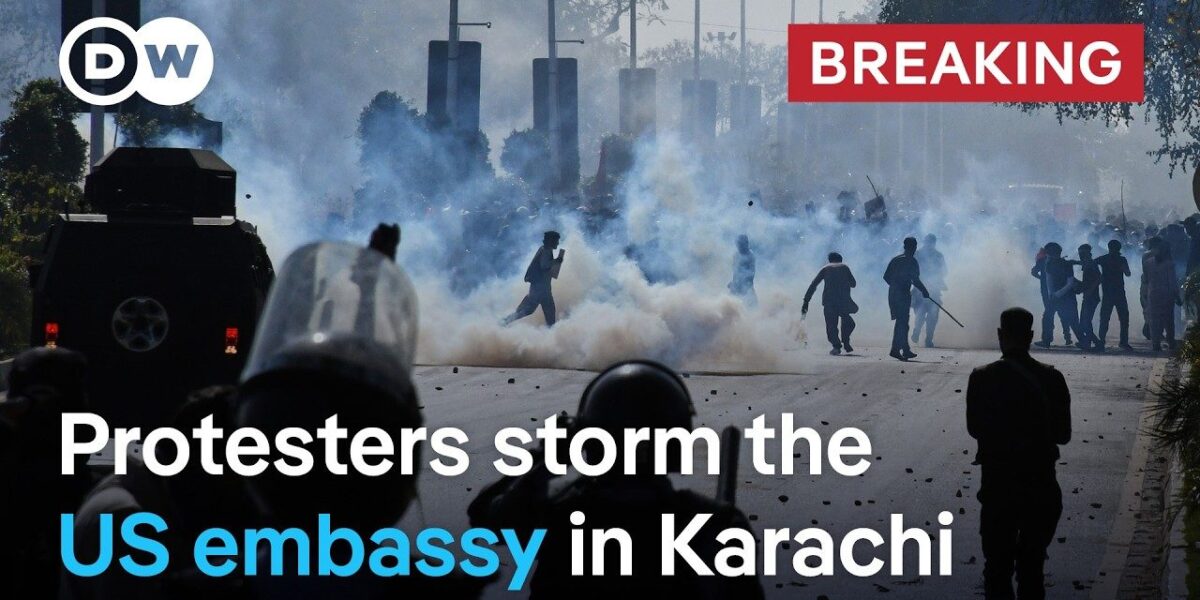
Deadly Clashes Erupt at US Consulate in Karachi Over Iran Leader’s Death
Karachi, Pakistan – At least nine people were killed and dozens injured when protests in Pakistan over the killing of Iranian Supreme Leader Ayatollah Khamenei turned violent outside the U.S. consulate in Karachi on [Date of incident, if known from transcript, otherwise omit or state ‘recently’]. Hundreds of demonstrators attempted to storm the consulate building in response to perceived U.S. and Israeli aggression against Iran, according to reports from local police and DW News.
Protesters Storm Consulate Amid Fury Over Khamenei’s Death
The unrest began shortly after the announcement of the Iranian Supreme Leader’s death. Angry protesters, fueled by widespread anger over what they described as “U.S. and Israeli attacks on Iran,” converged on the U.S. consulate. The crowd’s objective was to breach the diplomatic compound, with some individuals reportedly scaling the main gate and damaging property, including smashing windows.
Police responded by deploying tear gas in an effort to disperse the agitated mob. The clashes resulted in a significant number of injuries among the protesters. Tragically, authorities confirmed that at least nine individuals lost their lives during the confrontation. While police stated that the situation near the consulate has since calmed, protests continue in other major Pakistani cities, including Lahore and the capital, Islamabad, with security forces on high alert.
Deep Religious and Cultural Ties Fuel Pakistani Anger
DW reporter Binish Javeed, who is based in Pakistan, explained the deep-seated reasons behind the intense public reaction. “Pakistan is a country which has one of the largest Shia populations outside Iran, and many Shia Muslims in Pakistan historically have had very strong religious and cultural ties with Iran and with the Iranian government,” Javeed stated. “So there’s a lot of anger on this war in Pakistan on the streets in Pakistan.”
The protesters’ anger was specifically directed at the United States and Israel, whom they blamed for attacks on Iran and the subsequent death of the Supreme Leader. This sentiment underscores the complex geopolitical landscape and the strong emotional resonance of the conflict within Pakistan’s Shia community.
Pakistan Navigates Delicate Geopolitical Balancing Act
The Pakistani government finds itself in a precarious diplomatic position, attempting to balance its international relationships amidst escalating regional tensions. Officially, Islamabad has condemned the U.S. and Israeli attacks on Iran, a move that underscores the public sentiment and the historical ties with Iran.
However, Pakistan has also condemned Iranian retaliatory attacks on other Gulf countries. This dual condemnation highlights Pakistan’s intricate foreign policy objectives. The nation maintains robust ties with key Gulf nations, particularly Qatar and Saudi Arabia, with whom it shares defense agreements and strong economic links. Prime Minister [Prime Minister’s name, if known from transcript, otherwise omit] has reportedly engaged in direct communication with the Crown Prince of Saudi Arabia and the leaders of Qatar, expressing solidarity.
Pakistan wants to maintain Pakistan does not maintain any relations with Israel. Pakistan does not recognize Israel but other than Israel all other parties involved Pakistan wants to have smooth and relations with them and does not want to be in a position where it has to take any particular side.
This statement from the DW report encapsulates Pakistan’s strategic aim: to foster positive relations with all involved parties, excluding Israel, while avoiding alignment with any specific bloc in the current conflict. The country’s non-recognition of Israel further complicates its stance, yet its efforts to mediate and maintain neutrality are evident.
Looking Ahead: Continued Protests and Diplomatic Maneuvers
The situation in Pakistan remains tense, with ongoing protests and a heightened security presence. The coming days will be crucial in determining whether the protests escalate further or subside, and how Pakistan’s government will continue to navigate its complex relationships with Iran, the United States, Israel, and its key Gulf allies. The international community will be closely watching Pakistan’s diplomatic maneuvers as it seeks to maintain stability and its own national interests in a volatile region.
Source: Protests in Pakistan over Khamenei's killing turn deadly | DW News (YouTube)

Related Articles
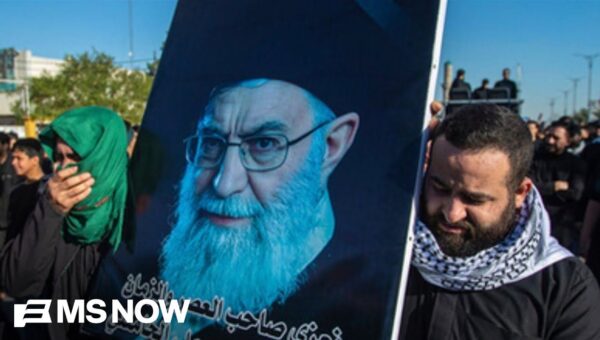
US Regime Change Efforts: A History of Tactical Wins, Strategic Losses
A comprehensive review of U.S. interventions reveals a consistent pattern: while the United States is adept at tactically removing foreign governments, achieving strategic success—the establishment of stable, legitimate political orders—has proven exceedingly difficult. Historical analysis points to unintended consequences and long-term instability as common outcomes.
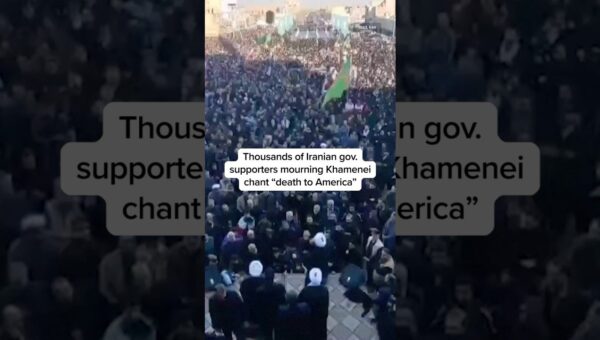
Thousands Mourn Khamenei, Chant ‘Death to America’ in Iran
Thousands gathered in Yazd, Iran, to mourn Supreme Leader Ayatollah Ali Khamenei following reported U.S. and Israeli strikes. The mourning ceremony was marked by chants of "Death to America," highlighting deep-seated anti-American sentiment amid geopolitical tensions.

Middle East Crisis Triggers Global Chaos: Flights, Oil Prices Hit
A major global crisis has erupted following coordinated strikes on Iran, triggering a massive retaliatory response that has impacted multiple countries across the Middle East. The large-scale attacks have caused widespread aviation chaos and pose significant risks to global energy markets and financial stability.